SEO Link Building: How to Earn Useful Backlinks Safely
Build backlinks through useful assets, relevant relationships, digital PR and genuine expertise while avoiding schemes that create search risk.
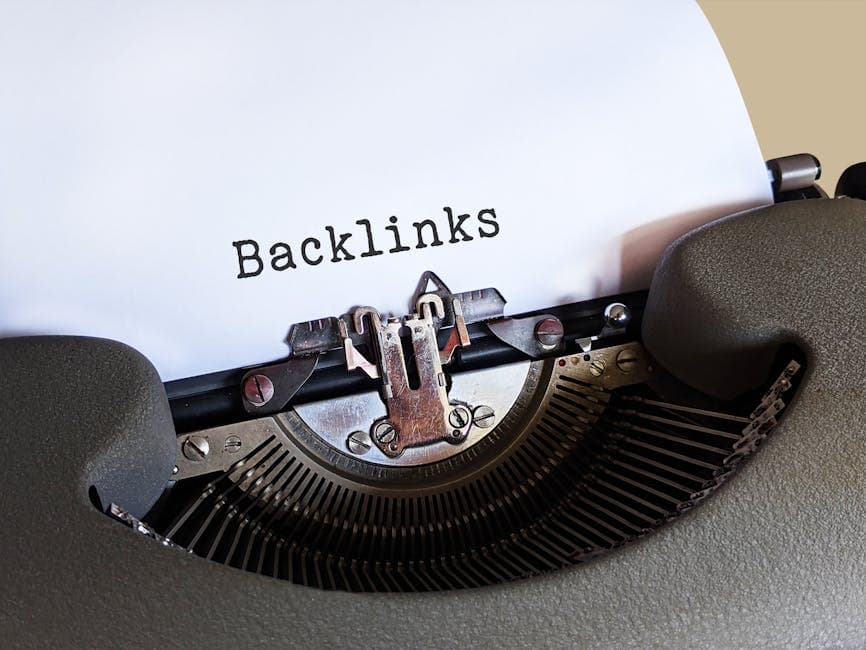
A useful backlink exists because another publisher believes the destination helps its audience. Buying bulk placements, swapping links at scale or manufacturing low-quality guest posts may create numbers in a report without building durable authority.
What matters now
- Create resources, data or expertise that is genuinely worth citing.
- Prioritise relevance and editorial judgement over domain metrics alone.
- Avoid paid or exchanged links that pass ranking credit without proper qualification.
Related Loom Digital resources: link building services, content and copywriting and SEO services.
What is SEO Backlink Building?
In the field of digital marketing, SEO backlink building is akin to gathering endorsements. Imagine your website as a contestant in a popularity contest. Backlinks are the votes that help your site climb the ranks in search engine results. But not all votes are equal, some hold more sway than others.
Backlinks: The Building Blocks of Authority
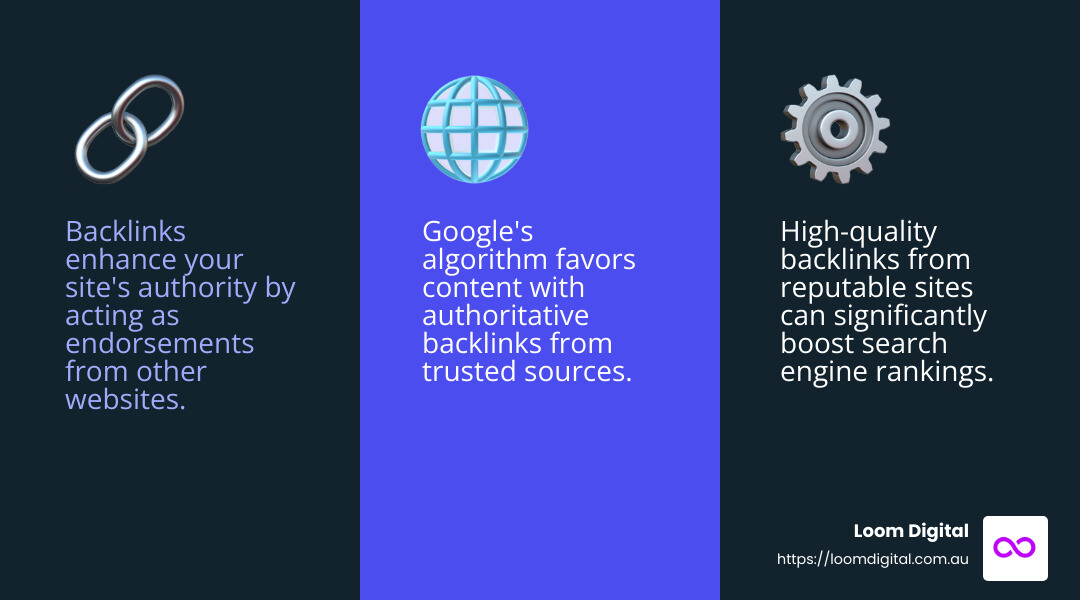
Backlinks are hyperlinks from one website to another. They act as signals to search engines, suggesting that your content is valuable and credible. Think of them as recommendations from other sites. When a reputable site links to yours, it’s like a nod of approval, boosting your site’s authority.

The Role of Authority in SEO
Authority is a crucial factor in SEO. Search engines, especially Google, prioritise content from authoritative sources. The more high-quality backlinks you have, the more authoritative your site appears. For example, if your site earns a backlink from a well-known site like bbc.co.uk, it significantly boosts your site’s credibility in the eyes of search engines.
Google Algorithm: The Gatekeeper of Search Rankings
Google’s algorithm is a complex system that determines how websites are ranked in search results. Backlinks play a pivotal role in this algorithm. In fact, Google’s PageRank algorithm was because it assessed a site’s importance based on the number and quality of its backlinks. Although Google has evolved, the essence remains: quality backlinks are a key ranking factor.

SEO backlink building is about creating a network of quality links that improve your site’s authority and visibility. As you build these connections, remember: it’s the quality of the backlinks, not the quantity, that truly counts.
How to Build Quality Backlinks
Building quality backlinks is a cornerstone of any effective SEO strategy. But how do you do it the right way? Let’s explore some white hat techniques, link earning, and outreach strategies that can lift your SEO game.
White Hat Techniques
White hat techniques are ethical strategies that comply with search engine guidelines. They focus on providing value and earning links naturally. Here are some key methods:
-
Creating High-Quality Content: Craft engaging and informative content that others naturally want to link to. This could be in the form of blog posts, infographics, or comprehensive guides. For instance, a well-researched article on content marketing statistics can attract numerous backlinks due to its value and relevance.
-
Guest Blogging: Write articles for reputable websites in your niche. This not only helps you gain exposure but also earns you a backlink. The key is to contribute valuable content, not to spam.
Link Earning
Link earning is about attracting backlinks through the inherent value of your content. Here’s how you can do it:
-
Develop Linkable Assets: Create resources like tools, templates, or original research that others find useful. For example, an SEO tool that helps with keyword analysis can naturally attract backlinks from marketers and bloggers who find it helpful.
-
Become a Source for Reporters: Platforms like Connectively (formerly HARO) allow you to provide expert insights to journalists. By responding to requests relevant to your expertise, you can earn backlinks in the resulting articles.
Outreach Strategies
Outreach is about actively seeking opportunities to earn backlinks by connecting with other website owners. Here are some effective strategies:
-
Conduct Email Outreach: Identify websites that might benefit from linking to your content. Use tools like Semrush to find prospects, and reach out with a personalised pitch. Remember to focus on how your content adds value to their audience.
-
Try Broken Link Building: Find broken links on other websites and suggest your content as a replacement. This not only helps the site owner fix an issue but also earns you a valuable backlink. Use competitor analysis tools to identify broken pages that your content can replace.
By employing these strategies, you’ll not only build a robust network of quality backlinks but also improve your site’s authority and search rankings. Up next, we’ll explore the top five backlink building strategies that can further refine your approach.
Top 5 Backlink Building Strategies
Building a strong backlink profile is essential for improving your site’s authority and search rankings. Let’s explore five effective strategies to achieve this.
Conduct Email Outreach
Email outreach remains a powerful method for acquiring SEO backlinks. The key is personalization. Start by prospecting suitable websites using tools like Semrush. Once you identify potential sites, craft personalised email templates that highlight how your content can benefit their audience. A well-crafted email should include:
- A friendly introduction.
- A specific mention of something you liked about their site.
- A clear explanation of why linking to your content would be valuable.
This approach not only improves your chances of securing a link but also builds relationships with other site owners.
Become a Source for Reporters
Journalists often seek expert insights for their stories, and this is where platforms like Connectively come into play. By responding to relevant queries, you can earn backlinks in high-authority publications. Here’s how to get started:
- Sign up for Connectively and monitor requests in your niche.
- Provide concise, valuable insights to journalists.
- Be prompt and professional in your responses.
This strategy not only earns you backlinks but also positions you as an authority in your field.
Try Broken Link Building
Broken link building is a win-win strategy. You help site owners fix broken links and, in return, suggest your content as a replacement. Here’s a simple process:
- Competitor Analysis: Use tools to identify broken pages on competitor sites.
- Replacement Content: Ensure you have quality content that can serve as a suitable replacement.
- Outreach: Contact the site owner, inform them of the broken link, and suggest your content as a replacement.
This method is effective because site owners are often eager to resolve broken links to improve their user experience.
Create Linkable Assets
Creating content that naturally attracts backlinks is a smart strategy. Linkable assets can include:
- Infographics: Visual content like infographics is highly shareable and often cited by other sites.
- Original Research: Conduct studies or surveys that provide unique insights into your industry.
For example, an annual “State of Link Building Report” by Aira attracted over 600 backlinks by offering valuable industry data. When creating these assets, ensure they are informative, engaging, and easy to share.
Analyse Competitor Backlinks
Understanding your competitors’ backlink strategies can reveal opportunities for your site. Here’s how to perform a backlink gap analysis:
- Use tools to compare your backlink profile with that of your competitors.
- Identify sites linking to your competitors but not to you.
- Reach out to these sites, offering content that fills any gaps or adds additional value.
Gaining insights into your competitors’ strategies allows you to refine your approach and find new linking opportunities.
By implementing these strategies, you’ll be well on your way to building a strong backlink profile that improves your site’s visibility and authority. Next, we’ll address some frequently asked questions about SEO backlink building.
Frequently Asked Questions about SEO Backlink Building
What is a backlink?
A backlink is a hyperlink from one website to another. Think of it as a vote of confidence from one site to yours. In SEO, these links are crucial because they signal to search engines like Google that your content is credible and worth referencing. The more high-quality backlinks you have, the more likely your site is to rank higher in search results.
How do I get a SEO backlink?
Getting an SEO backlink involves a mix of strategies and outreach. Here are some effective methods:
-
Content Creation: Create high-quality, valuable content that others naturally want to link to. This could be a well-researched article, an infographic, or a tool that provides unique insights.
-
Email Outreach: Reach out to website owners or bloggers and suggest your content as a valuable resource. Personalize your emails to increase your chances of success.
-
Guest Blogging: Write articles for other websites in your niche. This not only helps you gain exposure but also allows you to include backlinks to your site.
-
Link Reclamation: Monitor mentions of your brand or content across the web. If someone mentions you without linking, reach out and ask them to add a link.
These strategies require effort and patience but can significantly boost your site’s authority and search rankings over time.
Is link building still relevant in 2024?
Absolutely, link building remains a critical component of SEO in 2024. Search engines continue to use backlinks as a major ranking factor. However, the focus has shifted more towards the quality of the links rather than just the quantity.
Recent SEO trends emphasise the importance of obtaining backlinks from relevant and authoritative sites. Moreover, Google’s algorithm updates have made it clear that manipulative link-building tactics, like buying links or using link farms, can lead to penalties.
Building genuine relationships and creating content that naturally earns links is more important than ever. As the digital landscape evolves, staying updated with these trends ensures your link-building efforts remain effective and compliant with search engine guidelines.
In the next section, we’ll explore how Loom Digital can help tailor personalised growth plans to improve your digital marketing strategies.

Written by Jayden
Founder, SEO specialist and web designer
Practical advice from the person planning, building and reporting on the work at Loom Digital.