SEO Investment for Gold Coast Small Businesses
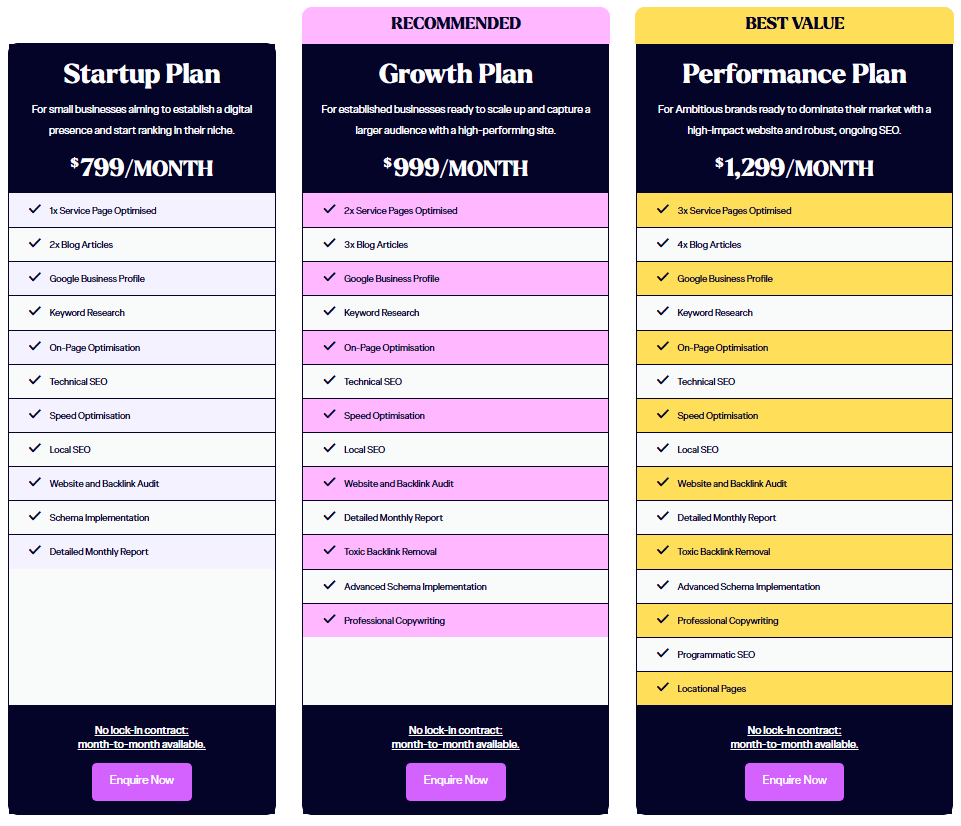
Plan a small-business SEO budget around competition, customer value, website condition, local reach and the work required to create qualified enquiries.

The right SEO investment is connected to the opportunity and the work required, not a standard percentage of turnover. A local single-service business has different needs from a multi-location practice or an ecommerce store competing nationally.
What matters now
- Estimate the value and close rate of a qualified organic enquiry.
- Separate essential foundations from expansion work.
- Review leading indicators early and commercial outcomes over a realistic period.
Related Loom Digital resources: SEO services, local SEO and SEO consulting.
Begin with the business case
A small business SEO budget should reflect customer value, competition and the amount of work needed to create a credible search presence. A plan for a single-location practice should not be priced or scoped like national ecommerce.
Separate foundations from growth
Foundation work includes measurement, technical access, page structure, core service content and local business information. Growth work expands useful coverage, authority and geographic reach. A transparent proposal should show which stage the business is funding and why.
Common pricing models
- Monthly campaign: suitable when research, content, technical improvements and measurement need to compound.
- Fixed project: useful for an audit, migration, defined technical correction or content plan.
- Consulting: useful when an internal team can implement but needs senior diagnosis and priorities.
Questions to ask before investing
- Which services and customer searches matter first?
- What will be completed in the first 30, 60 and 90 days?
- Who performs the strategy, content and technical work?
- How will enquiries and lead quality be measured?
- What is outside the scope and may require separate approval?
Review value over a realistic period
Technical fixes and new pages can be completed quickly, but search visibility and customer decisions develop over time. Use early indicators to confirm the work is moving in the right direction, then assess qualified enquiries and revenue over a period suited to the buying cycle.
See Loom’s Gold Coast SEO services for an example of a founder-led, month-to-month approach.
Calculate a commercial reference point
Start with the average gross value of a new customer, the proportion of qualified enquiries that become customers and the capacity available to serve more work. These figures do not create a guaranteed return, but they help you judge whether the opportunity is large enough to justify the investment.
For example, a practice with a high-value ongoing client can justify a different acquisition investment from a business selling a low-margin one-off product. Traffic volume alone does not capture that difference.
What should be included?
A small-business campaign normally needs diagnosis, measurement, technical oversight, service-page improvement, local work where relevant and clear reporting. Content or link work should be connected to a documented gap, not included merely to fill a monthly quota.
Red flags in a low-price proposal
- Guaranteed first-place rankings or guaranteed enquiry numbers.
- No access to the person responsible for strategy.
- Copied articles or location pages with only place names changed.
- Backlinks from unrelated websites sold by quantity.
- Reports that exclude completed work and conversion measurement.
When to increase the scope
Expansion makes sense when the foundations are sound, valuable pages are converting and evidence shows additional services, locations or topics can create worthwhile demand. Increasing activity before those conditions exist may simply produce more weak pages and harder reporting.

Written by Jayden
Founder, SEO specialist and web designer
Practical advice from the person planning, building and reporting on the work at Loom Digital.