
The menu is a difficult PDF
Tiny text, slow downloads and outdated files make a simple decision frustrating on mobile.
Hospitality website design should answer the questions diners and guests ask in the moment: what is on the menu, are you open, where are you, can someone book and will this suit the occasion? Local SEO then helps the right people discover those answers nearby.
Turn a hungry search into a confident visit, booking or order without making people hunt for the details.
Hospitality decisions happen quickly, often on a phone and between competing options. One missing detail can send a diner, guest or event organiser back to search.
Tiny text, slow downloads and outdated files make a simple decision frustrating on mobile.
Conflicting holiday or service hours make customers question whether the venue will actually be open.
Visitors bounce between the website, social profile and booking platform without knowing which path is current.
Beautiful photography does not replace practical answers about groups, dietary needs, parking, access or occasion suitability.
A useful hospitality website follows a natural decision: discover the venue, check whether it fits, plan the visit and complete the action.
From first question to a confident next step
Local search connects the venue with cuisine, experience, location and occasion-led demand.
Readable menus, current photography and practical details help people choose with confidence.
Accurate hours, address, parking, accessibility and group information reduce last-minute doubt.
Clear actions take visitors straight to the next step without forcing them through unnecessary pages.
The strongest hospitality website is fast, current and designed around the decisions people make with one hand on a phone.
Publish structured menu content that is easy to scan, update and understand without pinching a PDF.
Connect the right booking platform and explain walk-ins, groups or special requests where needed.
Separate venue, kitchen, bar and special-event hours when one generic schedule would mislead.
Pair the address with useful arrival context such as parking, precinct access or where the entrance is located.
Hospitality SEO connects your venue with nearby searches for food, experiences, functions and places that suit a specific need.
Keep categories, hours, attributes, menus, bookings and photos useful across Maps and local results.
Explain what makes the venue suitable without stuffing pages with every possible dining keyword.
Give events, private dining, catering or group bookings enough detail to earn a useful enquiry.
Keep venue details consistent and support discovery through relevant local, tourism and industry mentions.
Guests are not only buying food or a room. They are choosing how an occasion will feel, who it suits and whether the practical details will work.
Hours, menus, prices and booking conditions need an owner and a reliable update process. Stale details erode trust quickly.
Show the real space, food and service style so expectations match the experience on arrival.
Explain available options and the right way to discuss allergies without making promises the kitchen cannot safely support.
Highlight approved feedback that describes the experience, occasion or service rather than generic praise alone.
Make minimum spends, set menus, capacities and enquiry steps understandable where those details apply.
The website, Google profile and booking pathways should tell the same current story wherever a guest finds you.
Map venue, cuisine, occasion, function and location demand around real offers.
Strengthen the categories, hours, photos, menu and booking details people compare in Maps.
Put the menu, hours, bookings and directions within easy reach on every priority page.
Explain the offer in searchable, updateable pages that still sound like the venue.
Connect diners, guests and event organisers with the correct next step.
See how people find and use the venue information closest to a visit or booking.
Search visibility matters when it produces better enquiries, bookings and sales. These campaigns show the business outcome, not just the ranking report.
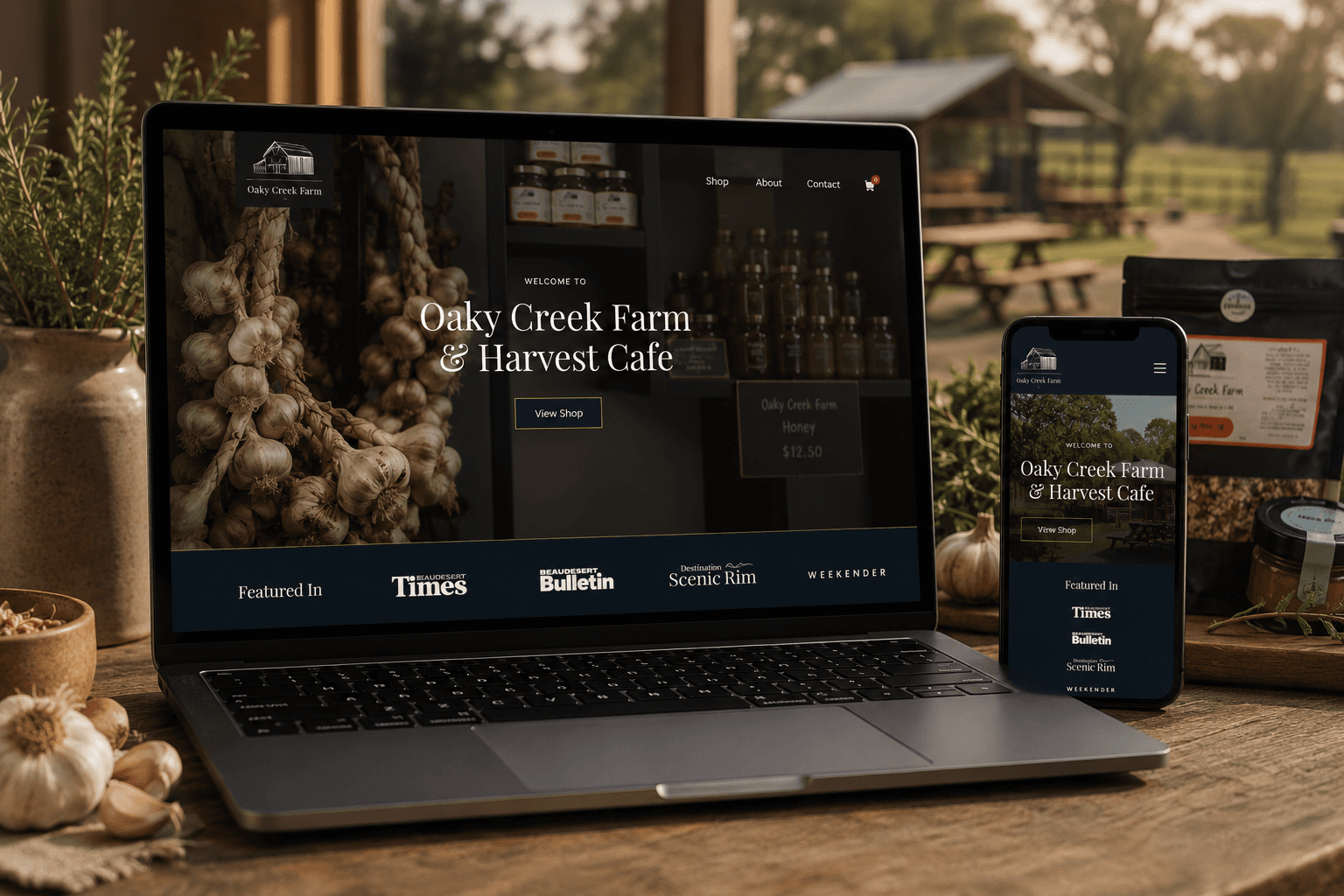
Local relevance, useful content and a stronger website connected searches with visits, bookings and online orders.
Venue type, service periods, booking tools, customer mix and team capacity all shape the plan. The website should make service easier, not add another channel to maintain.
Identify how diners, guests and event organisers discover, compare, plan and act.
Check hours, menus, booking links, maps, profiles and the mobile website for conflicting information.
Improve the content and pathways closest to visits, tables, orders or function enquiries.
Use a practical publishing and reporting rhythm so seasonal changes do not leave stale information behind.
Understand the fit, expectations and practical details before choosing an industry SEO or website partner.
Most venues need a readable menu or offer, current hours, address and directions, booking or ordering links, genuine photography and practical information about groups, accessibility or dietary needs where relevant.
A downloadable PDF can be useful as a secondary option, but it should not be the only menu. Structured web content is easier to read on mobile, update, search and make accessible.
Local SEO improves the information and relevance people see across Google Maps, local search results and the venue website. It helps the business appear for suitable nearby searches and gives customers the details needed to choose.
Update special hours on the Google Business Profile and the website before the holiday. If service periods differ, say so clearly. Accurate closure information is better than leaving customers to guess.
Yes. The website can direct customers into the established reservation, ordering or accommodation system. The surrounding content should make it clear which actions belong there and how special requests are handled.
Speed, readable text and immediate access to the menu, hours, booking, phone and directions. The design should support the decision without making visitors dismiss pop-ups or search through large image galleries.
Improve discovery across Maps and the nearby searches customers use to choose a venue.
Build a distinctive venue website around menus, bookings and guest decisions.
Connect tables, events or accommodation enquiries with the right workflow.
Keep menus, software and priority website journeys maintained after launch.
Connect local discovery with treatment information and booking confidence.
Turn local authority into appraisal and property-service conversations.
Build local visibility and quote journeys around suitable jobs.
Bring your menu, booking path and current website. You will leave with a clearer view of where customers meet friction and what is worth improving first.
This is a working session built around your business, not a templated audit or a disguised sales call.
See whether venue details and search visibility support the occasions you want to attract.
Find the friction around menus, hours, bookings and directions.
Know what deserves attention before a redesign or wider campaign.
Speak directly with the specialist doing the work. No account manager, no obligation and no sales script.