
Every page asks for the same action
Early researchers and ready buyers receive one generic contact button regardless of intent.
Lead generation website design connects persuasive pages with forms, online booking and the systems your team uses next. Instead of collecting vague messages in an inbox, the website helps suitable prospects understand the offer, choose the right action and provide the information needed for a useful response.

A form cannot repair unclear positioning or a weak service page. The whole journey needs to answer the right questions, set expectations and make the next step proportionate to the decision.
Early researchers and ready buyers receive one generic contact button regardless of intent.
The team lacks context, or the visitor abandons a questionnaire before trust has been earned.
Calendars offer times without explaining fit, preparation, service area or what happens next.
Notifications, CRM ownership and response steps are not tested as part of the customer journey.
Strong lead capture balances conversion volume with fit, context and operational capacity.
A conversion website cannot guarantee lead volume or quality. It removes avoidable friction and improves the information available when a suitable prospect decides to act.
Use calls, forms, bookings, quotes or downloads only where they fit the visitor's decision stage.
Explain value and expectations before asking for details, then collect only what supports the next response.
Route notifications, CRM fields and ownership so a submitted lead reaches the right person with context.
Track successful forms and bookings while recognising that quality still needs business judgement.
Each stage protects a different part of the conversion journey, from expectation to response.
Illustrative lead flow. Fields, systems and qualification rules are based on your real process.
Connect campaigns and search journeys with the most relevant offer and evidence.
Keep one page purpose and one primary action clear.
The visitor understands why this is the right next step.
Collect fit, need and practical details without demanding information the page has not earned.
Use conditional questions where they genuinely shorten the form.
The team receives context without creating unnecessary abandonment.
Show what was received, what happens next and any preparation required.
Handle errors, duplicates and alternative contact paths clearly.
The prospect knows the action worked and what to expect.
Send structured data to agreed inboxes, calendars or CRM stages.
Test notifications, ownership and consent before launch.
The lead enters a response process rather than sitting unowned.
The scope follows the offer, audience, qualification and systems required, not a generic form count.
Map visitor intent, objections, proof and the right action for each important page.
Create responsive pages that make the offer and next step easy to understand.
Collect useful information with accessible fields, validation and proportionate qualification.
Connect availability, preparation, confirmation and the appropriate calendar workflow.
Route approved data to the people and systems responsible for follow-up.
Validate submissions, bookings, errors, notifications and meaningful conversion events.
The goal is not the largest possible form count. It is a clearer journey into a useful commercial conversation.
Visitors can choose the action that matches their readiness and need.
The first response begins with useful information instead of another round of basic questions.
Structured routing reduces copying, missed notifications and calendar coordination.
Successful actions can be measured and reviewed alongside lead quality.

Direct communication makes it easier to test the full journey and resolve the details that fall between design, forms, calendars and CRM ownership.
Starting with the real sales or booking workflow prevents the website from creating data nobody can use.
Review traffic sources, qualification, response ownership, systems and common points of friction.
Define offer hierarchy, proof, form logic, booking rules and confirmation expectations.
Create responsive pages and connect approved forms, calendars, CRM and notifications.
Validate devices, fields, errors, confirmations, integrations and tracking before launch.
Good design makes the offer easier to understand and the next action easier to take. These projects connect the website with bookings, sales and search visibility.
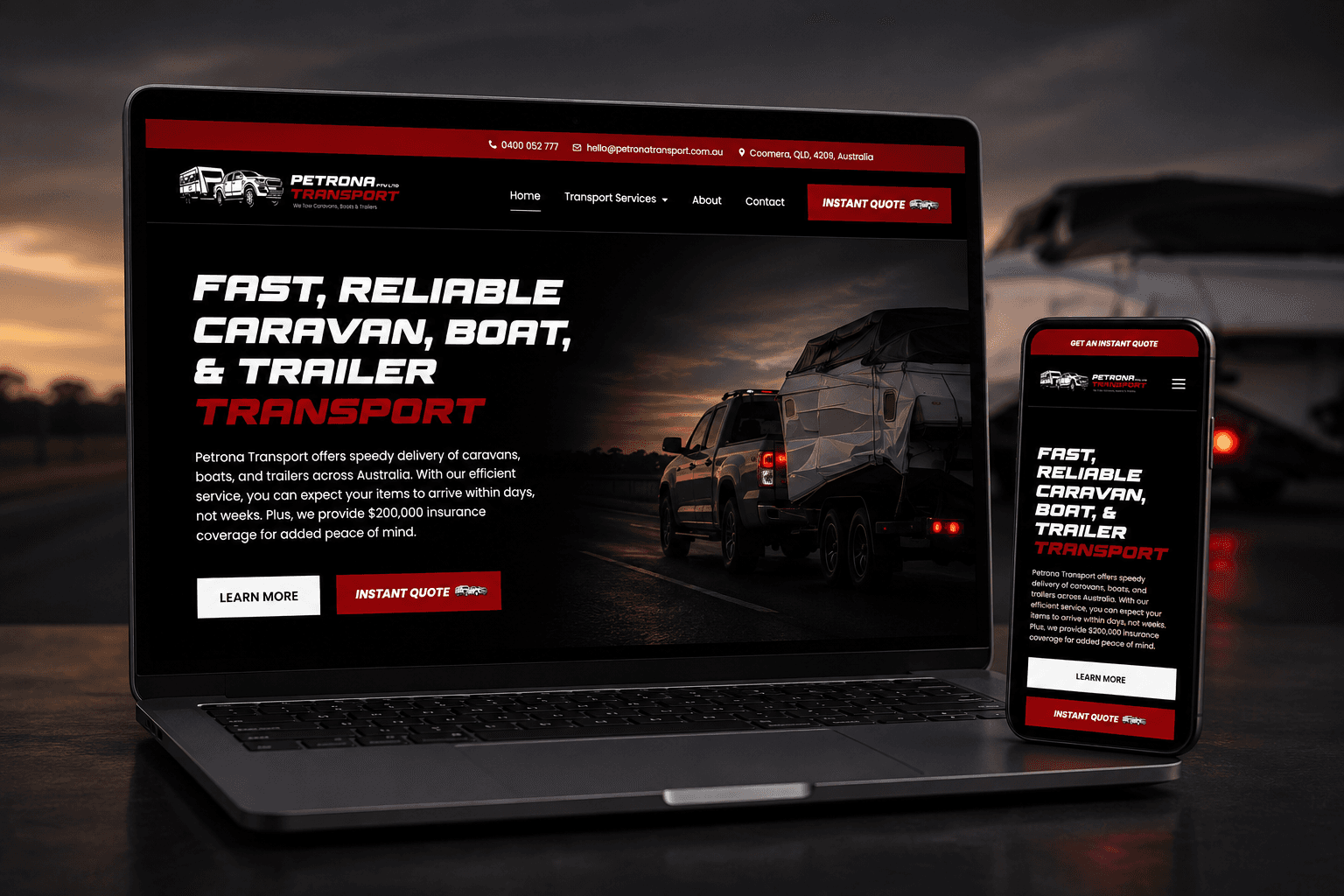
A custom website and instant quote calculator replaced slow phone-based quoting with a clearer booking journey.
1,700% more online bookings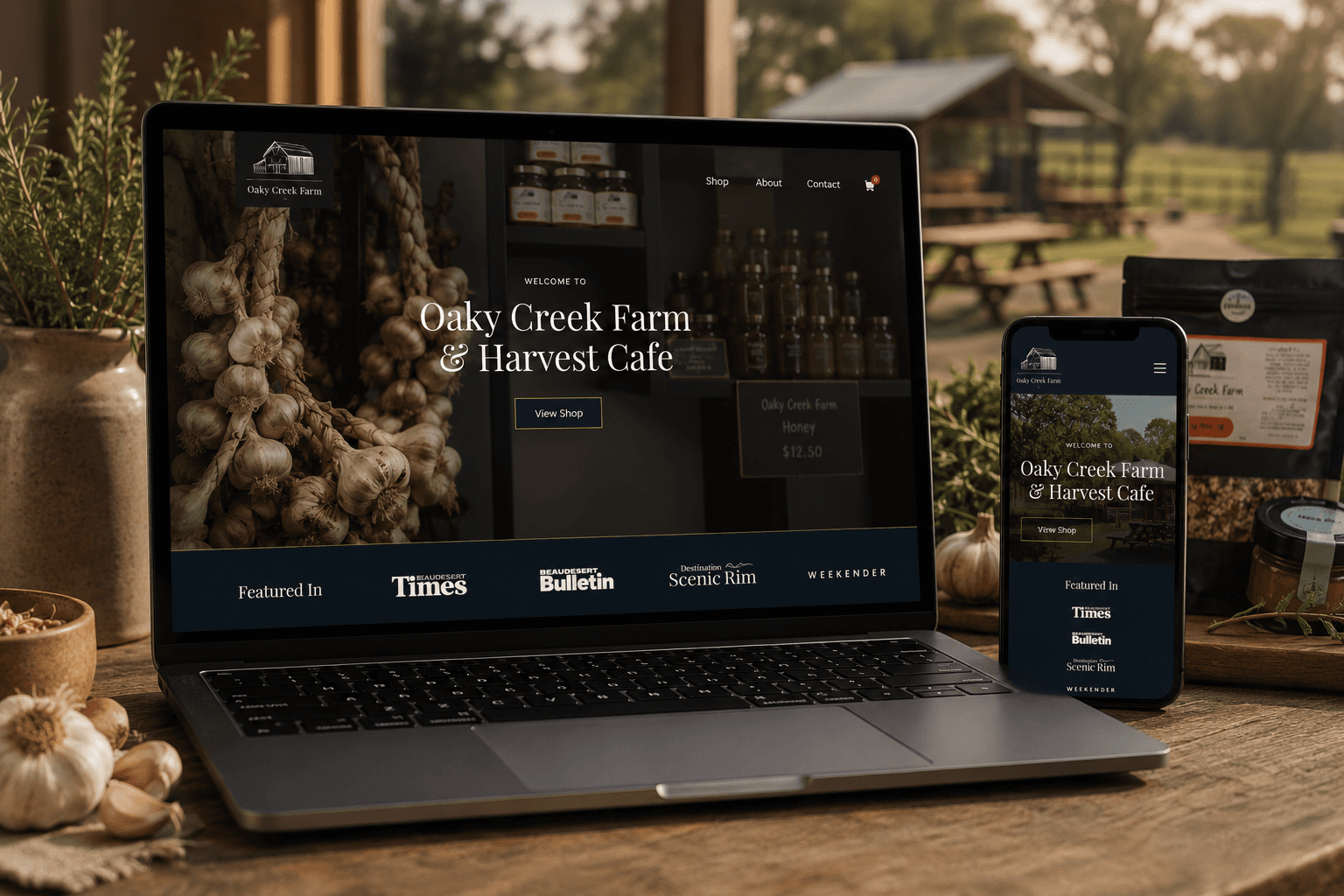
A content-rich website connects the farm cafe, products, bookings and online ordering in one customer journey.
2,105% increase in organic traffic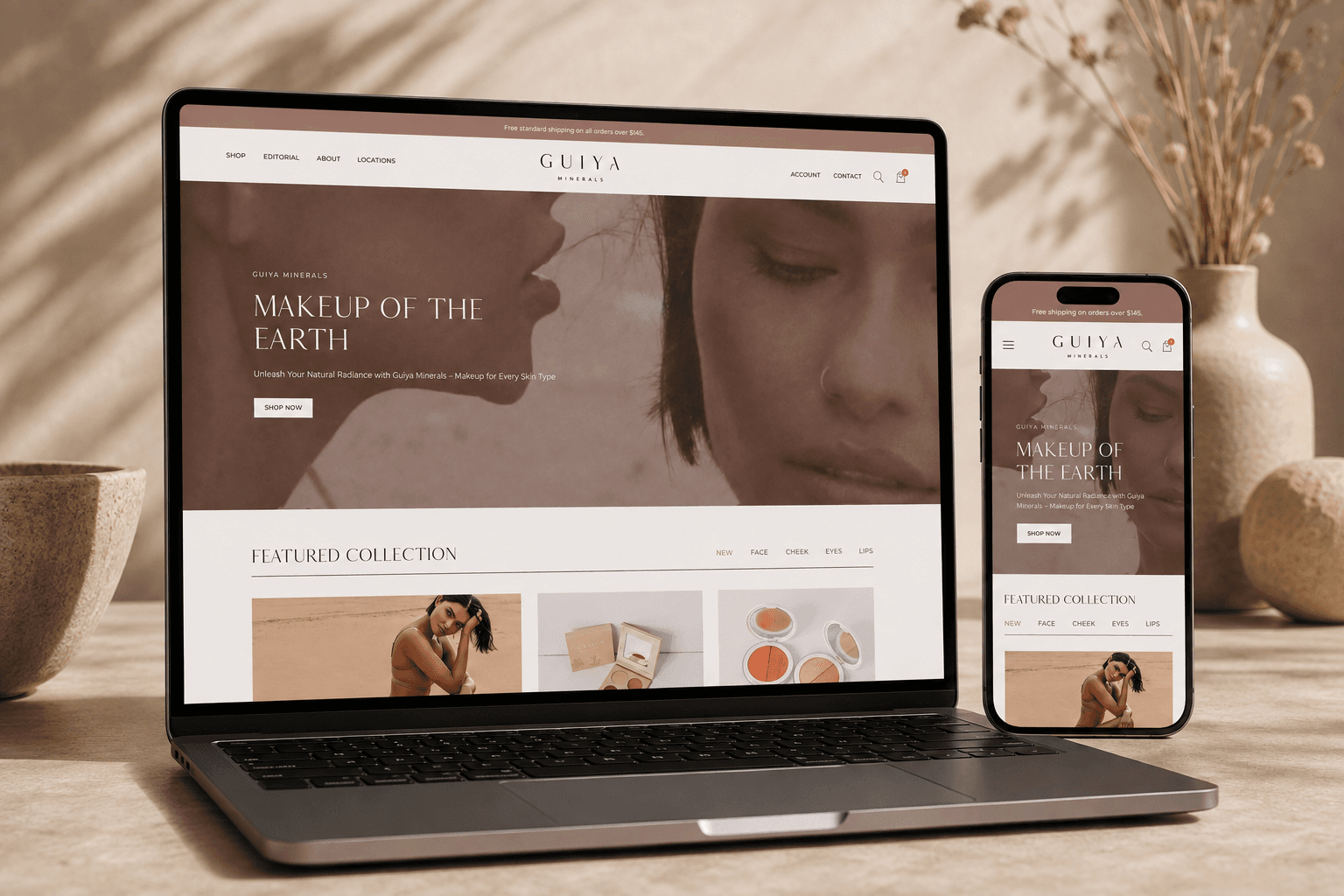
A premium online store made products easier to discover, compare and purchase across screen sizes.
1,750% increase in total salesYou receive a fixed scope, price and payment schedule before work begins. Form complexity, booking rules, CRM integration and content determine the final investment.
Discuss the right website scopeUnderstand the fit, ownership, timeline and investment before deciding what belongs in the build.
Lead generation website design creates pages, forms, bookings and handoffs around a clear commercial action. It helps suitable visitors understand the offer and gives the team useful context for follow-up.
Clear positioning, relevant proof, a focused page purpose, an appropriate call to action, proportionate forms and a reliable response process all matter. A form alone is not a lead strategy.
It can collect and route useful criteria through fields and conditional logic. Final fit often still requires human judgement, so automation should support rather than misrepresent the decision.
Yes. Availability, service type, location, preparation, reminders and ownership should be planned so the booking matches the real delivery workflow.
Often yes. Feasibility depends on the CRM, available integration methods, required fields, consent and ownership. These requirements are scoped before development.
Enough to support the next response, but no more than the visitor is ready to provide. Field count follows qualification need and decision stage rather than a universal rule.
No. Demand, traffic quality, offer, competition and follow-up also affect results. The website can remove friction and improve the path and information around conversion.
Useful measurement includes successful forms or bookings, source context where available, progression through the journey and the business's view of lead quality. Attribution has practical limits.
These services solve closely related website problems without forcing every requirement into one generic build.
Create focused campaign pages around one offer and audience.
Explore Landing pagesBuild a broader website system around specialised lead and operational workflows.
Explore Custom web designKeep priority forms, bookings and website software maintained after launch.
Explore Website care plansOwnership, editing, products, integrations and maintenance matter more than loyalty to a particular platform.
Flexible service websites with forms, bookings and CRM integrations.
Explore WordPress websitesDesign-led campaign and service experiences with controlled editing.
Explore Webflow websitesSimpler service websites with straightforward forms and booking needs.
Explore Squarespace websitesShare the service, audience and current follow-up process. Your website and conversion path are reviewed before the session so the most useful improvement can be discussed first.
This is a working session built around your business, not a templated audit or a disguised sales call.
Your offer, current actions and visible conversion path are reviewed.
Clarify the strongest page, form and handoff opportunities.
A practical recommendation for the next conversion priority.
Speak directly with the specialist doing the work. No account manager, no obligation and no sales script.