
Services are described too broadly
Capability statements list disciplines but do not connect them with the commercial problems buyers need to solve.
Professional services SEO helps decision makers find, understand and trust expertise before a sales conversation begins. It connects specialist capability with the problems, risks and outcomes clients are actively researching.
Turn knowledge that currently lives inside your team into a visible, credible reason to shortlist your firm.
Consulting, engineering, technology, recruitment and other professional firms often rely on referrals while their websites describe capability in language only insiders understand.
Capability statements list disciplines but do not connect them with the commercial problems buyers need to solve.
The people, methods, evidence and sector context that build confidence sit behind a generic corporate introduction.
A technical evaluator, commercial lead and executive sponsor rarely judge the same engagement in the same way.
A contact button appears before the buyer can assess fit, risk, approach or the likely value of a conversation.
Complex services are rarely bought in one visit. Search, referrals, internal sharing and AI-assisted research all contribute to the final shortlist.
From first question to a confident next step
Help buyers recognise the operational, strategic or technical issue your expertise can address.
Explain the service model, where it fits and the decisions that shape a successful engagement.
Provide evidence, specialist profiles, sector context and useful resources stakeholders can share.
Invite the buyer to discuss the problem with enough context for a productive first response.
Professional services search demand extends beyond a service name. Useful coverage connects early problem research, solution comparisons, sector applications and high-intent provider searches.
Explain capabilities through the problems solved, the approach used and the situations where the service fits.
Show how priorities, constraints and implementation change across the industries your team understands.
Capture experienced perspectives, frameworks and examples that a generic summary cannot reproduce.
Connect the firm, specialists, services, credentials and external evidence into a consistent digital footprint.
The website should make a complex service easier to buy without pretending it is simple. Strong structure lets readers enter through their role, industry or problem and still reach the same coherent value proposition.
Connect real commercial pressures with the appropriate service instead of relying on an internal capability menu.
Give executives a concise view while allowing technical evaluators to inspect method, detail and evidence.
Place relevant people, experience and authored insights beside the work they are qualified to discuss.
Capture the organisation, challenge, timing and desired outcome needed for a valuable first conversation.
Professional buyers look for signs that your team understands the environment, can manage complexity and will be credible with their internal stakeholders.
Where client confidentiality limits public proof, the website can still demonstrate clear thinking, relevant experience and a credible engagement model.
Show what each expert understands, where they contribute and how their experience relates to client problems.
Explain how the work is approached without revealing confidential intellectual property or creating empty process theatre.
Use approved case evidence, outcomes, client voices and sector experience without overstating what is typical.
Publish original, defensible insight that helps decision makers understand an issue more clearly.
Priorities are built around your services, sectors, buyer roles and commercial goals, with enough flexibility to work alongside internal subject-matter experts.
Map how buyers frame the problem, compare approaches and search for providers.
Create a clear relationship between capabilities, industries, insights and proof.
Turn subject-matter interviews into useful pages and insights that retain the team's real point of view.
Strengthen crawling, schema, entity clarity and the evidence used across search and AI research.
Improve decision support, internal sharing and the path to a high-context enquiry.
Connect visibility with qualified website activity, enquiries and available pipeline evidence.
Search visibility matters when it produces better enquiries, bookings and sales. These campaigns show the business outcome, not just the ranking report.
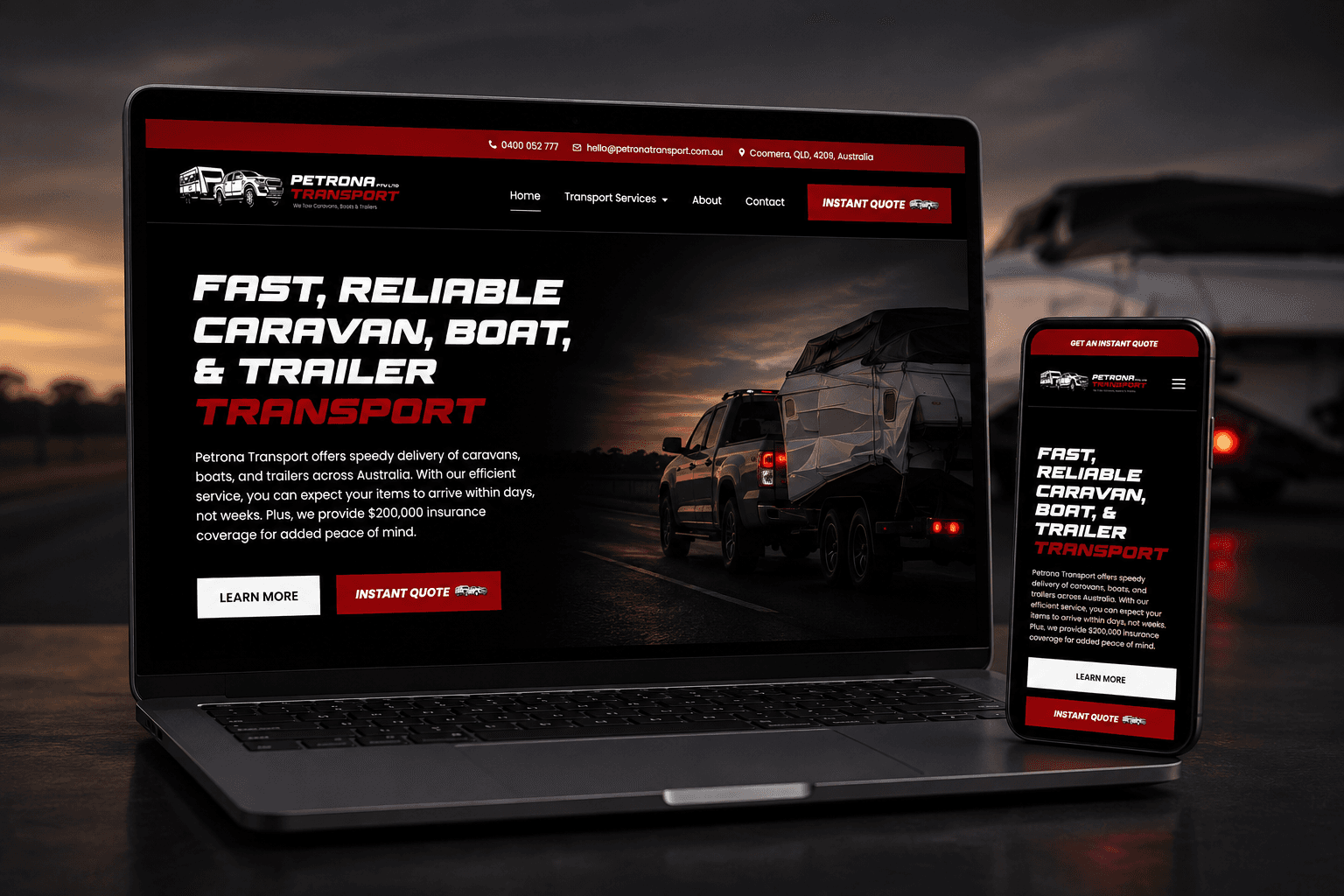
Clearer services, stronger search visibility and a simpler quote journey helped commercial customers take action.
The process respects specialist time. It uses focused interviews, clear review points and evidence-led priorities rather than an endless request for ideas.
Review services, sectors, decision makers, sales feedback, current visibility and competitor narratives.
Align search opportunities with commercial relevance, available proof and subject-matter capacity.
Improve the approved content, technical foundation, internal links and conversion journeys.
Use search, engagement and sales feedback to refine the next questions and opportunities.
Understand the fit, expectations and practical details before choosing an industry SEO or website partner.
Professional services SEO makes specialist firms easier to find and evaluate during complex buying journeys. It combines technical SEO, service and sector content, expert evidence, authority and a website experience that supports multiple decision makers.
B2B and professional buying journeys are often longer, involve more stakeholders and require deeper validation. The strategy needs to support problem research, solution comparison, internal sharing and provider selection rather than optimise only for a final enquiry keyword.
Focused interviews capture the experience only your team can provide. That material can then be structured and written for review, reducing the burden on specialists while preserving their accuracy and point of view.
Yes. Referred prospects usually research the firm before making contact. Strong search visibility and a credible website can validate the referral, explain additional capabilities and support internal consensus.
Specific proof is valuable, but confidentiality may limit what can be published. Approved anonymised context, methods, specialist insight and carefully framed outcomes can still help buyers evaluate fit without exposing client information.
The timeline depends on competition, website authority, service complexity and the strength of existing expertise content. Early structural and conversion improvements may happen quickly, while durable authority and demand generally build over sustained work.
Support longer buying journeys, multiple stakeholders and qualified demand.
Turn specialist expertise into useful decision support.
Make entities, expertise and evidence clearer across AI-assisted research.
Build a distinctive website around complex services and buying roles.
Search and website strategy for accounting and advisory relationships.
Build clarity and trust around legal practice areas and matters.
Support careful advice research and consultation decisions.
Share the services, buyers and sectors you want to grow. You will leave with a clearer view of where search visibility, proof or the website journey needs attention first.
This is a working session built around your business, not a templated audit or a disguised sales call.
See how buyers research the problems and services your team understands.
Identify where expertise is not yet visible or useful to the shortlist.
Leave with a practical order for improving discovery, trust and action.
Speak directly with the specialist doing the work. No account manager, no obligation and no sales script.