
Generic copy removes the expert
Familiar claims and summarised competitor language hide the experience and judgement customers came to evaluate.
SEO content writing services turn real customer questions and business expertise into pages with a clear job in the buying journey. Search intent helps the right reader arrive, while specific answers, proof and conversion copy help them compare and act.

A useful page understands why someone searched, what they need to decide and which next step genuinely helps. Missing any one of those creates content that is visible but ineffective, or persuasive but invisible.
Familiar claims and summarised competitor language hide the experience and judgement customers came to evaluate.
A large informational keyword attracts attention while commercially useful questions and service pages remain incomplete.
Fit, trade-offs, investment, proof and process remain vague, sending an interested reader back to search.
Overlapping articles target one intent instead of strengthening a clear primary page through consolidation and links.
People-first content can still be deliberately optimised. The page should answer the intent completely, demonstrate real expertise and connect the reader to the next useful decision without chasing a preferred word count.
Lead with the explanation or option the searcher needs instead of making them decode an introduction written for search engines.
Contribute experience, nuance, examples and evidence that a generic summary cannot reproduce.
Explain fit, trade-offs, objections and proof at the stage where they shape the shortlist.
Use descriptive internal links so readers and crawlers can continue from the question towards the relevant service or action.
Choose a stage to see the question, best page role, evidence and next step that belong together.
Select a buying stage to update the content blueprint.
The person recognises a need but does not yet know the right solution or terminology.
Provide a direct explanation, practical context and a link to the relevant service or deeper guide.
Your business becomes useful before the reader has formed a provider shortlist.
The scope can strengthen existing content, create missing commercial pages or build a connected topic plan.
Connect customer language with page purpose, buying stage and the service or product the content should support.
Explain value, fit, proof, process and objections on the pages closest to action.
Help shoppers understand range, suitability, differences and the information needed to choose.
Answer meaningful discovery and commercial questions without creating filler articles.
Capture real experience, examples, proof and terminology from the people closest to the work before drafting.
Shape headings, metadata, contextual links and conversion paths around the page's role.
The process protects accuracy and voice while giving every page a clear search and commercial purpose.
Search behaviour, competitors, existing content and commercial priorities define the content plan.
Interviews, source material and business evidence replace generic assumptions with useful specifics.
Content is structured around intent, proof, readability, internal links and the appropriate next step.
Visibility, engagement and enquiry evidence guide future refreshes and new content priorities.
Content earns value when it supports both the search journey and the customer decision.
Pages align with the real language and intent behind commercially useful searches.
Specific explanations and evidence make the business easier to understand and trust.
Comparisons, objections and next steps appear where readers need them.
Internal links guide people and search engines between supporting questions and priority offers.

Create useful service and location pages for nearby demand.
Explore Local SEOGive useful pages clean crawling, indexing and internal structure.
Explore Technical SEOPrioritise content around the services most likely to create value.
Explore Small business SEOCreate decision support for longer buying journeys and multiple stakeholders.
Explore B2B SEOSearch visibility matters when it produces better enquiries, bookings and sales. These campaigns show the business outcome, not just the ranking report.
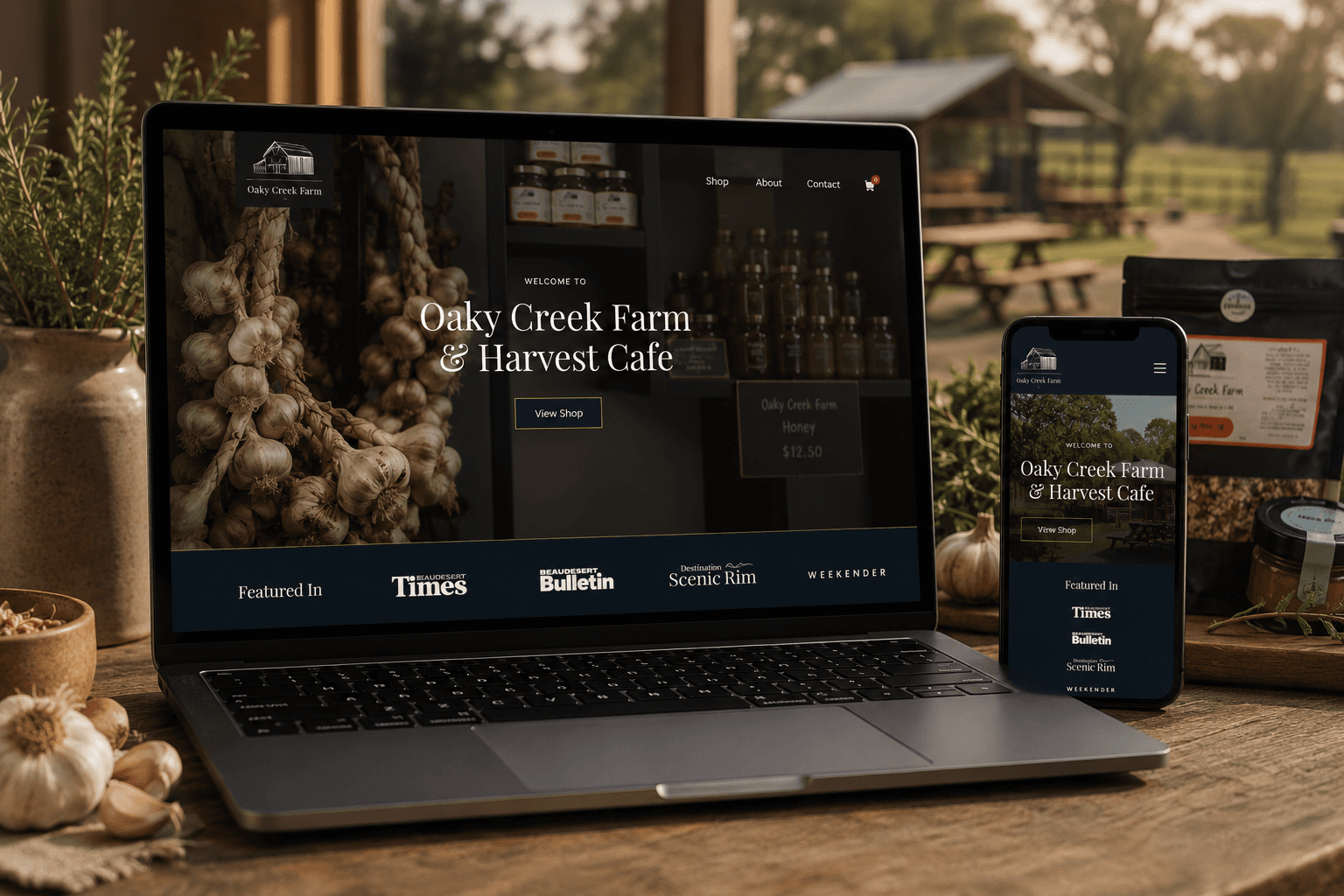
Local relevance, useful content and a stronger store helped nearby customers find the farm and take the next step.
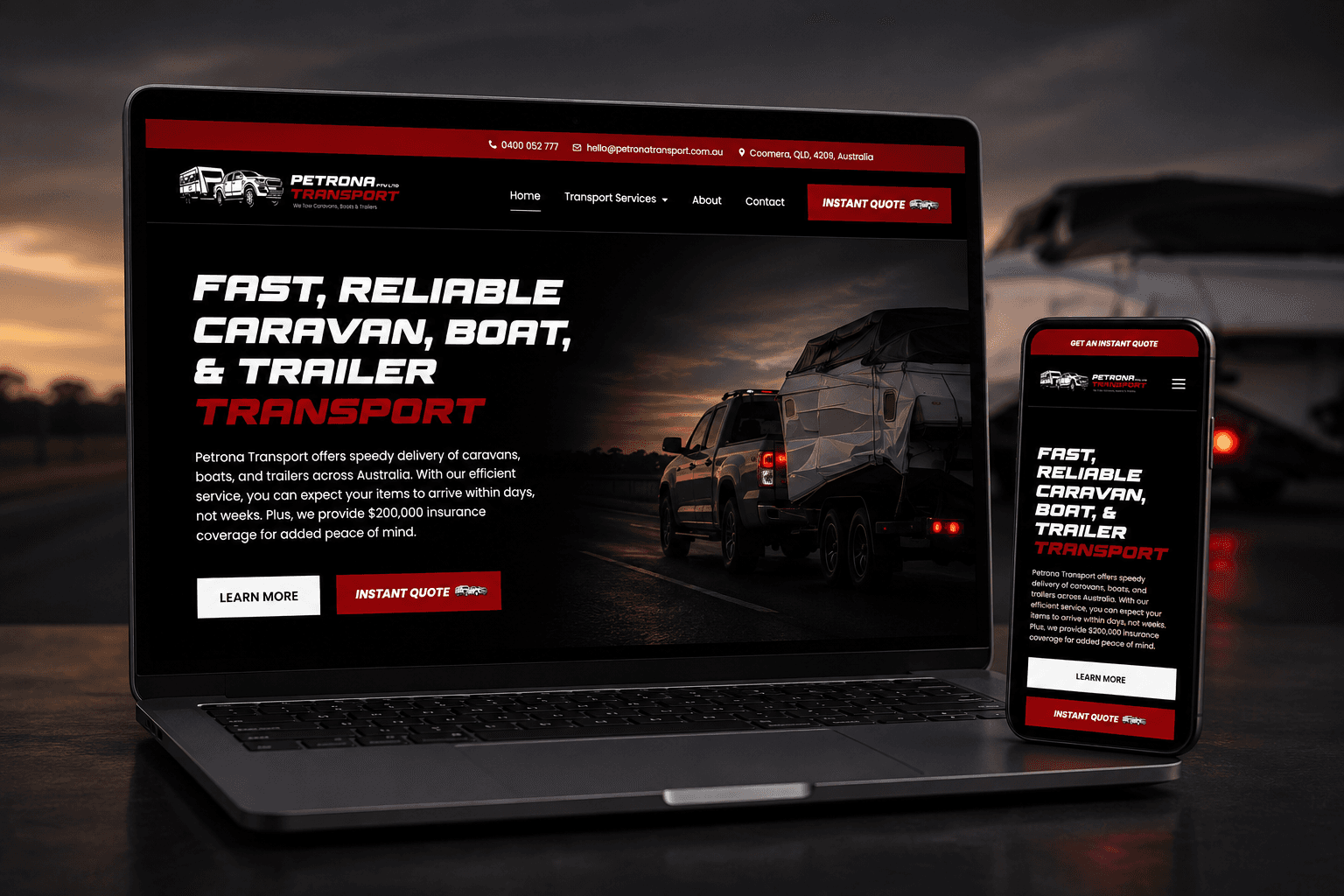
Targeted search visibility and a simpler quote journey connected more commercial customers with the right service.

A premium store and organic strategy made products easier to discover, compare and purchase.
Scope depends on page type, subject complexity, existing material, expert access and whether strategy, writing, publishing and measurement are required.
Discuss the right investmentUnderstand the fit, timing and practical trade-offs before deciding what belongs in your plan.
SEO content writing creates useful pages around the language and intent people use in search. It combines research, expertise, clear structure, on-page signals, internal links and a purpose within the customer journey.
SEO content helps a page become discoverable and useful for a search intent. Copywriting helps a reader understand value and take action. Strong commercial pages usually need both.
A strong SEO content writing agency should clarify search intent, the page's role, the reader's decision, available expert evidence and the next useful action before drafting. That groundwork prevents generic copy and overlapping pages.
The work draws from your existing voice, interviews, proof and subject knowledge. Review stages help keep language accurate and recognisable rather than imposing a generic agency tone.
AI tools may assist research or workflow where appropriate, but they do not replace expert input, factual review, original judgement or reader-focused writing. Final content must be accurate and specific to the business.
There is no ideal universal word count. A page should answer its intent completely, support the decision and remain concise enough to be useful.
Not automatically. Service, category, comparison, guide and FAQ pages may be higher priorities. A blog is useful only when ongoing publishing has a clear audience and role in the search strategy.
Yes. Refreshing a page with existing visibility, links or useful history can be more valuable than replacing it or adding another overlapping page.
No. Rankings also depend on technical accessibility, competition, authority and search systems. Strong content improves relevance and usefulness but cannot guarantee a position.
These services reinforce the same customer journey while keeping each priority clear enough to scope, deliver and measure properly.
Turn expert answers and evidence into content AI systems can understand and cite.
Explore AI SEOBuild the service and topic depth needed for wider competition.
Explore National SEOStrengthen category, product and buying content across an online store.
Explore eCommerce SEOShare the services, products or content gaps you want to address. Existing pages and search intent are reviewed before the session so you can discuss a useful content priority.
This is a working session built around your business, not a templated audit or a disguised sales call.
Priority pages, visible content gaps and customer intent are reviewed.
See where clearer information could support visibility and conversion.
A practical recommendation for the next content priorities.
Speak directly with the specialist doing the work. No account manager, no obligation and no sales script.