
Browse a product type
Category and subcategory pages narrow a useful range while preserving filters for real shopping decisions.
An eCommerce SEO agency connects product demand with categories, products and buying guides built for the way people shop. A clearer catalogue, controlled crawl paths and consistent product information help the right landing page appear while customers browse, compare and buy.

A strong store separates category discovery, product evaluation and supporting advice while connecting them through intentional architecture.
Category and subcategory pages narrow a useful range while preserving filters for real shopping decisions.
Product pages answer specifications, suitability, availability, delivery and proof without relying on manufacturer boilerplate.
Buying guides and comparison pages explain meaningful trade-offs, then link into the relevant catalogue paths.
Visible details, structured data and Merchant Center feeds stay aligned around price, availability and key attributes.
Online stores often organise products for internal operations while customers search by need, attribute, problem and comparison. The gap creates weak landing pages and unnecessary crawl demand.
Revenue becomes more exposed when advertising pauses because priority categories never built a dependable organic entry point.
Categories mirror internal product organisation rather than the language and comparisons shoppers use.
Faceted combinations multiply faster than useful landing pages, consuming crawl attention and creating near-duplicates.
Thin descriptions, unclear specifications and weak proof make the page harder to rank and harder to buy from.
Choose a search type to see which store page should lead, what it needs to communicate and how it reduces buying friction.
Select a shopper intent to update the recommended search shelf.
The shopper knows the product type but still needs to compare range, features and fit.
Use a clear collection structure, useful introductory copy, relevant filters and links to decision-support content.
Shoppers land on a page designed to narrow options instead of a generic result or individual product too early.
eCommerce SEO compounds when architecture, information and conversion clarity reinforce one another.
Shoppers arrive on categories, products and guides that match the stage of their decision.
Search engines can separate priority pages from duplicates, filters and expired inventory paths.
Specifications, comparisons and supporting answers reduce uncertainty before purchase.
Organic discovery complements paid acquisition and continues building across commercially valuable product areas.

Customers experience one store, so catalogue structure, product information and the path to purchase need to work as one system.
Priorities reflect demand, margin, stock patterns, catalogue scale and platform constraints. The plan protects customer choice while preventing uncontrolled index growth.
Organise collections, subcategories and products around real demand without creating unnecessary layers.
Preserve useful customer filters while preventing low-value combinations from creating effectively infinite crawl paths.
Give priority collections clear relevance, helpful context and intentional internal links.
Strengthen specifications, unique decision support, proof and related options without rewriting every SKU by default.
Align visible product details, Product structured data and Merchant Center feeds so price, availability and attributes remain consistent. Markup supports eligibility, but does not guarantee a rich result.
Support buying decisions, earn relevant trust signals and connect organic activity with meaningful store outcomes.
Search visibility matters when it produces better enquiries, bookings and sales. These campaigns show the business outcome, not just the ranking report.
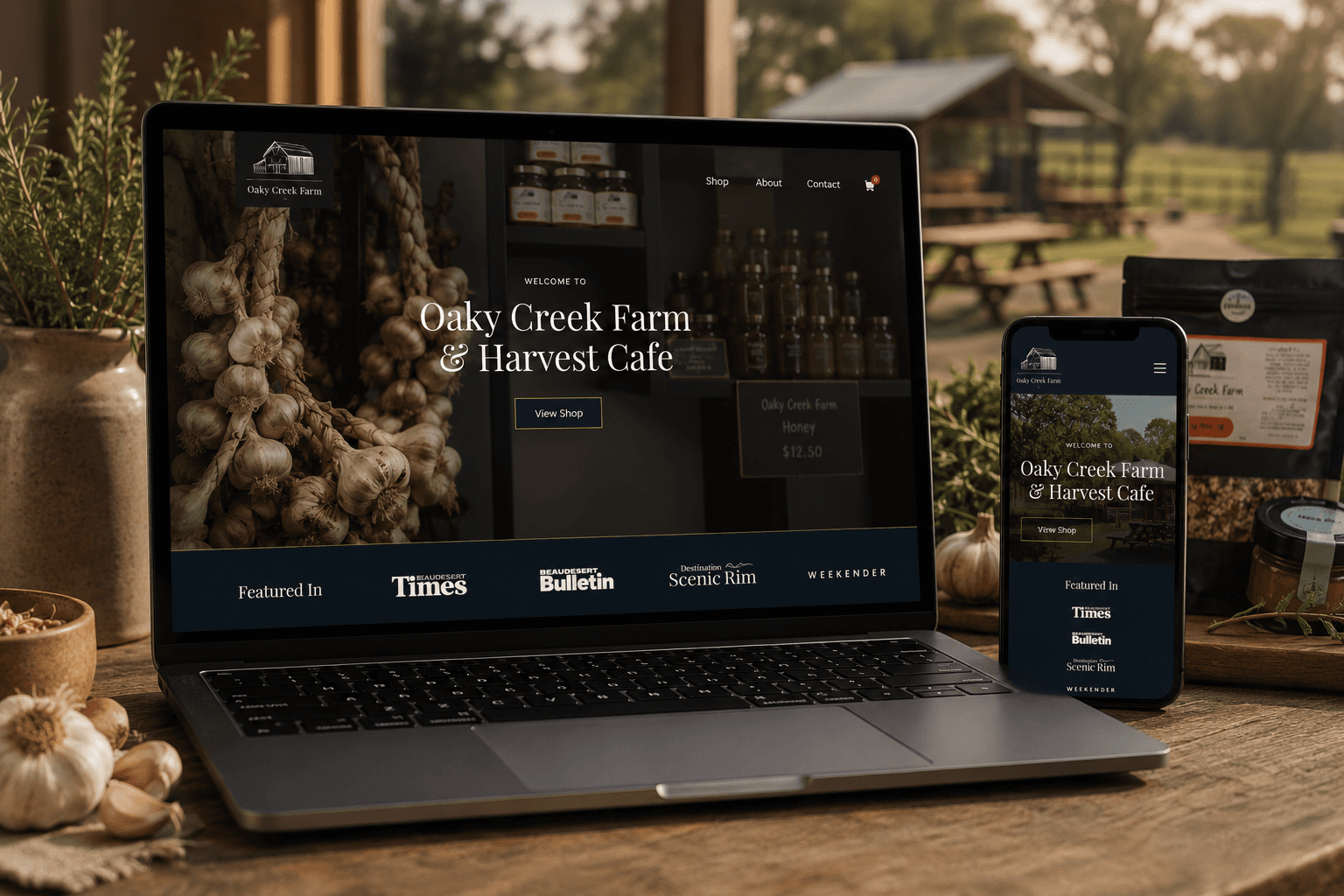
Local relevance, useful content and a stronger store helped nearby customers find the farm and take the next step.
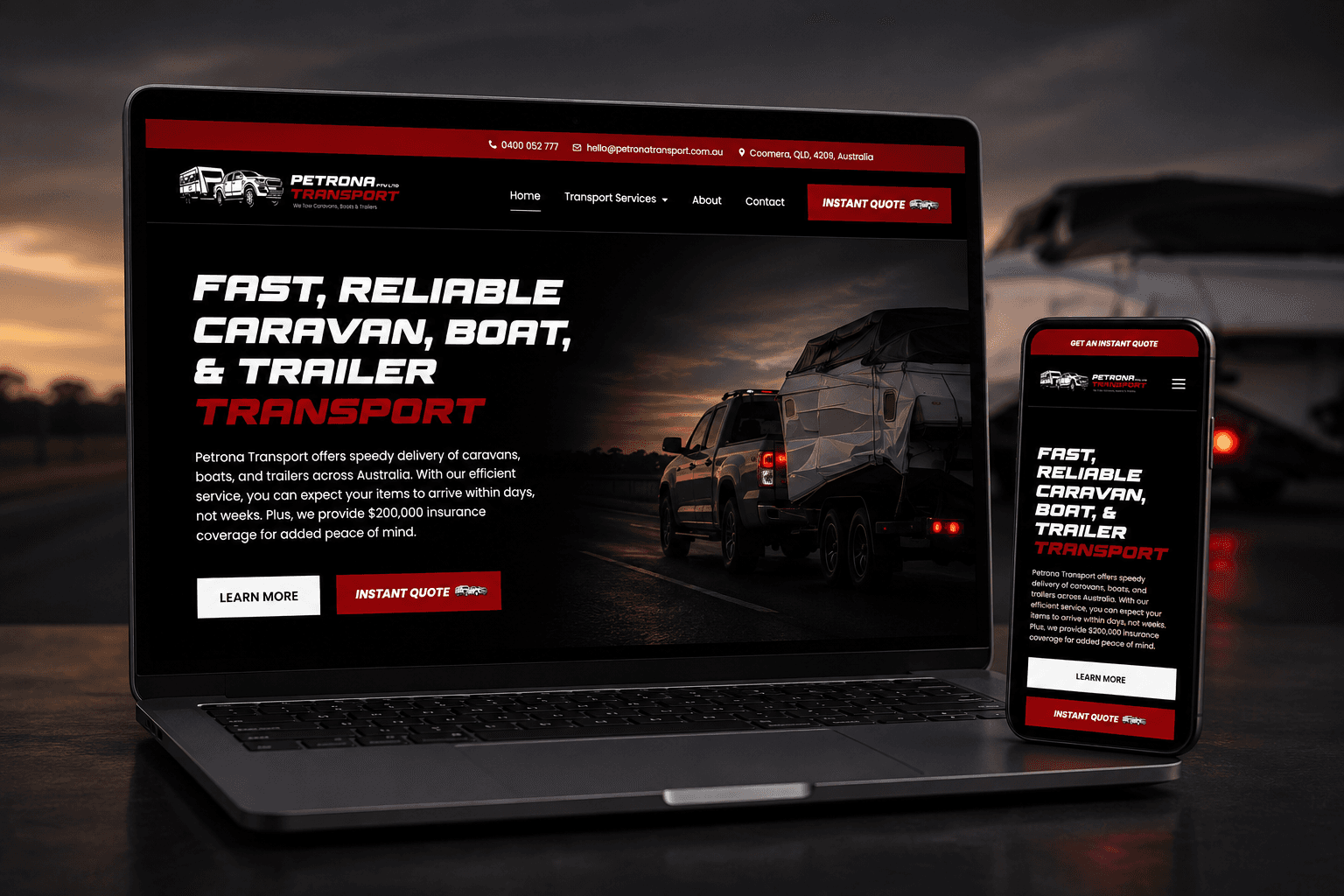
Targeted search visibility and a simpler quote journey connected more commercial customers with the right service.

A premium store and organic strategy made products easier to discover, compare and purchase.
Large catalogues create endless possible tasks. The process keeps attention on demand, feasibility and commercial value.
The catalogue, margins, customer language, platform and existing organic performance are mapped together.
Priority categories, products, filters and supporting content receive clear roles and relationships.
Templates, copy, internal links, product data and index controls are improved in commercial order.
Reporting reveals the next product, content or authority opportunities worth the investment.
Earn relevant authority around priority categories and useful resources.
Explore Link buildingConnect organic landing pages with product and store outcomes.
Explore Reporting and analyticsProtect product and category visibility during a replatform or redesign.
Explore Site migrationsControl crawling, filters, canonicals and performance across a growing catalogue.
Explore Technical SEOScope depends on platform complexity, catalogue size, priority categories, content needs and the internal support available for implementation.
Discuss the right investmentUnderstand the fit, timing and practical trade-offs before deciding what belongs in your plan.
eCommerce SEO improves organic visibility for an online store across category, product and informational searches. It combines catalogue architecture, technical SEO, product and category content, internal linking, structured product information, authority and commercial measurement.
Yes. The strategy adapts to the platform, theme, apps and development resources available. Platform limitations are considered when priorities are set so recommendations remain practical.
Not necessarily. Priority should follow demand, margin, duplication and customer need. Template improvements and better product data may create more value than rewriting every description at once.
Only when a filtered combination represents useful, distinct search demand and can provide a strong landing experience. Most filter combinations should not become competing index pages by default.
The right response depends on whether stock will return, whether an alternative exists and whether the URL has value. Useful pages can remain live with clear availability and alternatives; permanently retired products may need consolidation or a carefully chosen redirect.
No. Organic and paid search can support different stages of demand. SEO reduces reliance on paid acquisition over time, while paid campaigns can provide faster reach and useful market feedback.
No. Valid Product structured data can increase eligibility and help Google understand details such as price and availability, but Google decides whether an enhanced appearance is shown. The visible page and Merchant Center feed should stay consistent with the markup.
Technical and page improvements can begin quickly, while broader category visibility and authority usually build over months. Catalogue size, competition, starting authority and implementation speed all affect timing.
These services reinforce the same customer journey while keeping each priority clear enough to scope, deliver and measure properly.
Control crawling, filters, canonicals and performance across a growing catalogue.
Explore Technical SEOCreate category, product and buying content that helps shoppers decide.
Explore Content and copywritingMake products and buying information clearer across AI-assisted research.
Explore AI SEOShare the categories, products and markets you want to grow. The store is reviewed before the session so you can discuss practical opportunities rather than generic advice.
This is a working session built around your business, not a templated audit or a disguised sales call.
Priority categories, store structure and visible search gaps are reviewed.
See where catalogue and technical changes could create the most value.
A plain-English priority plan for the next organic improvements.
Speak directly with the specialist doing the work. No account manager, no obligation and no sales script.