
The right page never enters the index
A service or product URL is crawlable, yet canonicals, exclusions or duplication tell Google to use something else.
Technical SEO services help search engines reach, process and understand the pages your customers need. Instead of chasing an audit score, the work removes the specific crawl, rendering, indexation and performance barriers limiting organic growth.

A page can look perfect in a browser and still send search engines conflicting instructions. These problems often stay hidden until growth stalls or a website change exposes them.
A service or product URL is crawlable, yet canonicals, exclusions or duplication tell Google to use something else.
Parameters, filters and old URLs multiply while new commercial pages remain deeper and slower to discover.
JavaScript or template behaviour removes essential copy and links from the version search systems process.
Slow or unstable templates make priority pages harder to use, especially for mobile visitors ready to compare or enquire.
Google processes web pages in stages. A failure early in that sequence can make later content and authority work far less effective, so priority follows dependency rather than the loudest tool warning.
Crawlable links, useful architecture and appropriate robots rules help search engines reach the page.
Essential content and links need to remain available when scripts and templates are processed.
Consistent canonicals, redirects, sitemaps and internal links clarify which URL should represent the content.
Page information, structured data and a usable experience help the chosen URL satisfy a relevant search.
Each barrier interrupts a different stage. Select one to see the commercial consequence, corrective signal and proof needed after implementation.
Select a technical barrier to update the URL journey.
Robots rules, broken internal links or a buried architecture prevent the crawler reaching an important URL.
Restore a clear crawl path and confirm that only intentional areas remain blocked.
Valuable pages become accessible without opening low-value sections unnecessarily.
The scope follows templates, page groups and commercial importance. One validated template fix can matter more than hundreds of isolated warnings.
Compare crawled URLs, Search Console evidence and page purpose to find exclusions and duplication that matter.
Create clearer relationships between services, categories, supporting content and conversion pages.
Bring redirects, status codes, canonicals, sitemaps and internal links into agreement around preferred URLs.
Use field data where available to prioritise improvements to loading, responsiveness and visual stability across important templates.
Confirm useful content, links and interactions remain accessible across rendering and device conditions.
Validate eligible page information and watch priority templates after releases so technical debt is caught earlier.
Each stage turns technical findings into actions that developers, content teams and decision-makers can use.
Crawling, indexing, templates, performance and recent changes are reviewed against the pages that matter commercially.
Issues are ordered by impact, confidence, dependency and effort so the right work happens first.
Fixes are implemented or translated into developer-ready requirements with the intended outcome explained.
Representative URLs are retested and ongoing monitoring checks that improvements remain intact.
Technical improvements remove avoidable uncertainty and make future content, authority and conversion work easier to compound.
Important URLs are easier to crawl and less likely to be obscured by duplicate or low-value paths.
Search engines receive consistent instructions about page purpose, hierarchy and preferred URLs.
Faster, more stable templates reduce friction for people comparing services or products.
Benchmarks and validation expose regressions from releases, migrations and template updates sooner.

Give clean technical foundations useful pages worth discovering.
Explore Content and copywritingStrengthen the technical and structured signals that support AI visibility.
Explore AI SEOBring specialist guidance into complex website decisions.
Explore SEO consultingGet a prioritised diagnosis across technical, content and authority signals.
Explore SEO auditsSearch visibility matters when it produces better enquiries, bookings and sales. These campaigns show the business outcome, not just the ranking report.
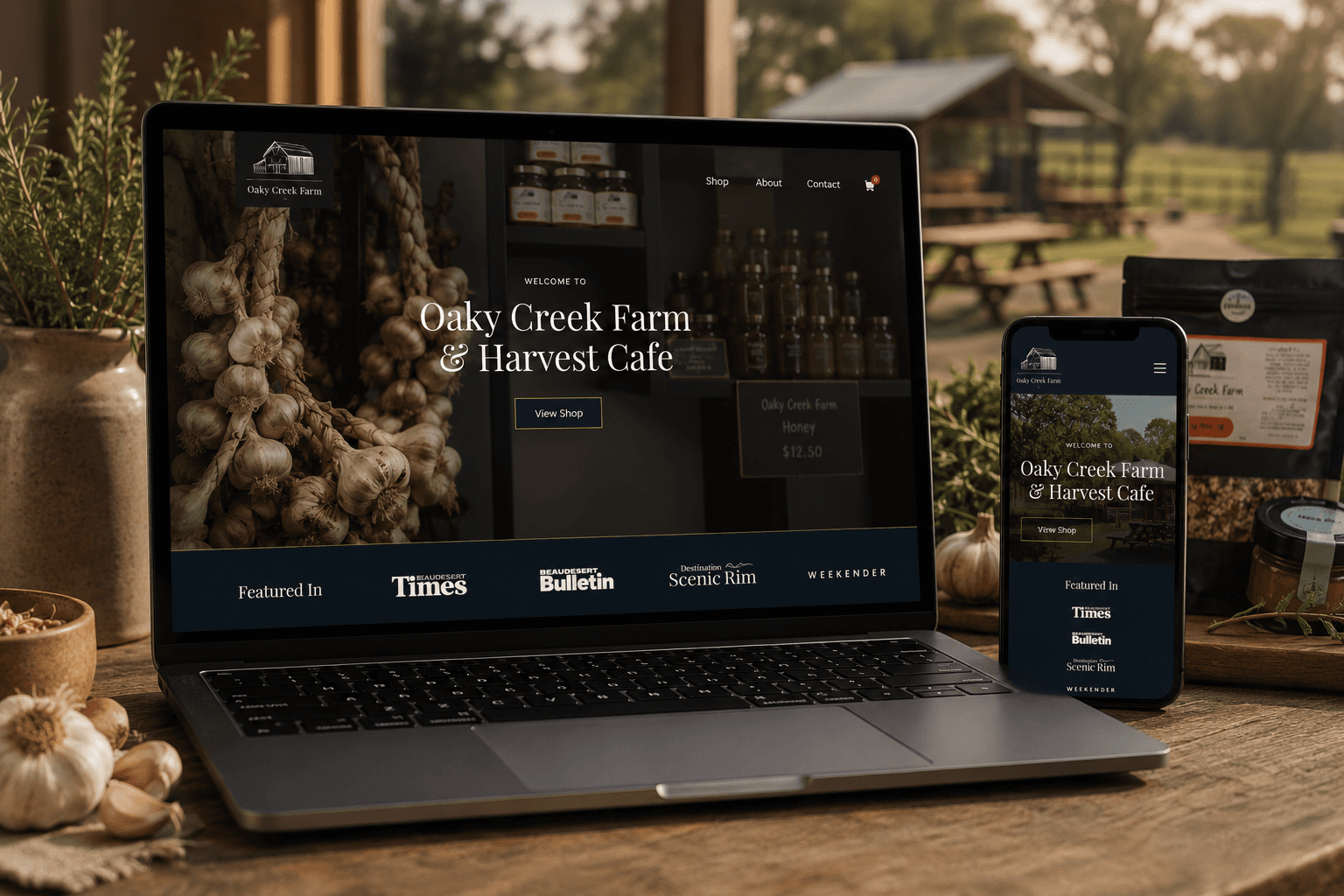
Local relevance, useful content and a stronger store helped nearby customers find the farm and take the next step.
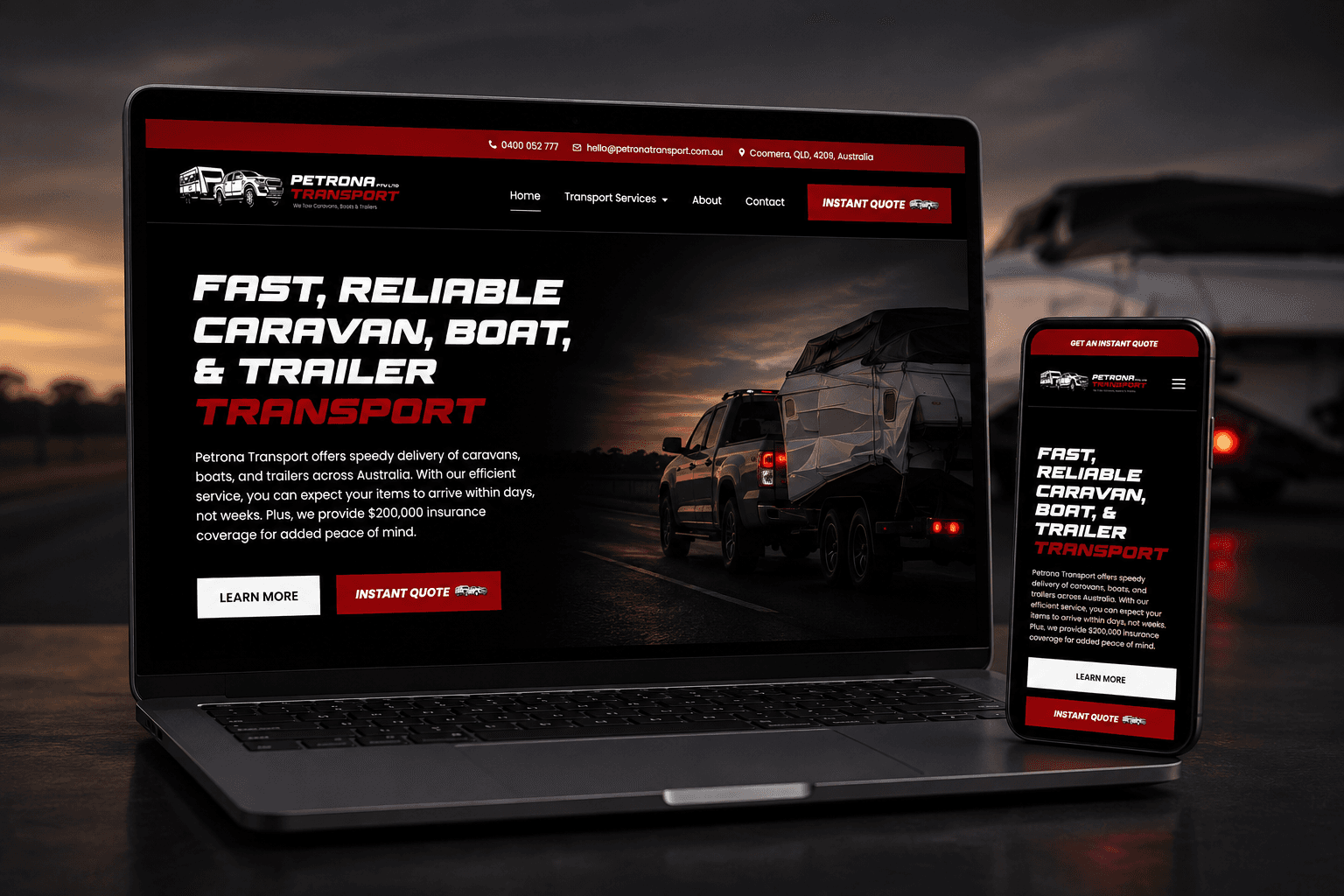
Targeted search visibility and a simpler quote journey connected more commercial customers with the right service.

A premium store and organic strategy made products easier to discover, compare and purchase.
Your scope reflects the size of the website, platform complexity, development support and the number of templates or issues requiring investigation.
Discuss the right investmentUnderstand the fit, timing and practical trade-offs before deciding what belongs in your plan.
Technical SEO improves how search engines crawl, render, understand and index a website. It covers areas such as architecture, internal links, duplicate URLs, canonicals, redirects, performance, mobile rendering, structured data and technical monitoring.
An audit diagnoses and prioritises issues at a point in time. Technical SEO can include that diagnosis as well as implementation support, validation and ongoing monitoring. The right approach depends on whether you need a plan, help completing it or both.
A developer can implement many fixes, but technical SEO determines which changes affect crawling, indexing and organic visibility, and how they should be validated. The strongest result usually comes from clear collaboration between both disciplines.
Usually not. Many technical barriers can be corrected within the existing platform. A rebuild only makes sense when the current architecture or technology prevents practical progress, and that should be established before recommending one.
No. Technical SEO makes pages eligible and easier to understand, but rankings also depend on relevance, content, authority, competition and user needs. It removes barriers rather than guaranteeing a position.
Some crawling or indexing changes can be detected after search engines revisit the affected URLs. There is no fixed crawl frequency. Broader visibility changes often take longer and still depend on relevance, authority and competition.
Useful access commonly includes analytics, Google Search Console, the website platform and relevant development or hosting information. Access is kept proportionate to the agreed scope.
These services reinforce the same customer journey while keeping each priority clear enough to scope, deliver and measure properly.
Get a prioritised diagnosis across technical, content and authority signals.
Explore SEO auditsProtect crawl paths, URLs and search equity through a redesign or platform change.
Explore Site migrationsConnect technical changes with organic visibility and qualified website activity.
Explore Reporting and analyticsShare the indexing concern, release or performance pattern you cannot explain. Priority templates and visible search signals are reviewed before the session so the conversation starts with evidence.
This is a working session built around your business, not a templated audit or a disguised sales call.
Your website, priority pages and visible technical signals are reviewed.
See which barriers deserve attention and which warnings can wait.
A plain-English priority plan for the next technical improvements.
Speak directly with the specialist doing the work. No account manager, no obligation and no sales script.