
A package decides the work
Blog counts and routine checks repeat even when another service page, local signal or technical fix matters more.
Small business SEO services focus limited time and investment on the services, customers and markets most likely to create a return. Technical SEO, local visibility, content and authority are sequenced around the next commercial constraint, not a standard monthly task list.

Every task competes for investment and attention. The plan should explain which growth constraint it removes and why that deserves to happen now.
Blog counts and routine checks repeat even when another service page, local signal or technical fix matters more.
Reports celebrate visits without showing whether priority services are earning qualified calls, forms or sales.
National head terms absorb the plan before the business has earned focused relevance around its strongest offer.
Completed tasks are listed without connecting them to a customer need, commercial page or next decision.
The best starting point depends on how customers buy, where the business operates and which services deserve more demand.
Give priority to the services, products and customers that best support the next stage of the business.
Confirm that real customers search for the offer and understand the language they use at each decision stage.
Identify where a more relevant local presence, clearer specialist answer or stronger page can realistically compete.
Fix the trust, proof and enquiry path needed to turn new visibility into a useful business outcome.
Small business SEO services can cover the complete search journey without forcing every tactic into the same month. Priorities change as foundations improve and evidence shows where useful demand is emerging.
Map how customers look for your services and where the strongest realistic openings sit.
Remove crawling, indexing, speed and structure problems that prevent valuable pages performing.
Strengthen relevance, clarity, proof and next steps on the pages closest to an enquiry or sale.
Improve the Business Profile, reviews, location signals and local pages when geography shapes the decision.
Answer the questions buyers need and build credible signals around your expertise.
See what changed, which commercial pages moved and where the next month of investment has the strongest reason.
A local service, online store and national specialist should not receive the same opening plan. Select the closest model to see the commercial logic behind the sequence.
Select a growth model to update the example priority plan.
A local business usually needs a trusted Google Business Profile, focused service pages and a realistic suburb strategy first.
Prioritise profile completeness, reviews, service relevance, location evidence and technical foundations.
Nearby customers receive stronger reasons to find, trust and contact the business.
The goal is sustainable demand and better decisions, not activity for its own sake.
The services and markets that matter receive clearer pages and more focused signals.
Low-value tasks wait while the work most likely to remove a growth constraint moves first.
People arriving from search can understand the offer, trust the business and take the next step.
Reporting informs the next priority as the website, market and business change.

A smaller business does not need every SEO tactic. It needs a clear order of work tied to valuable services, realistic markets and customer action.
Search visibility matters when it produces better enquiries, bookings and sales. These campaigns show the business outcome, not just the ranking report.
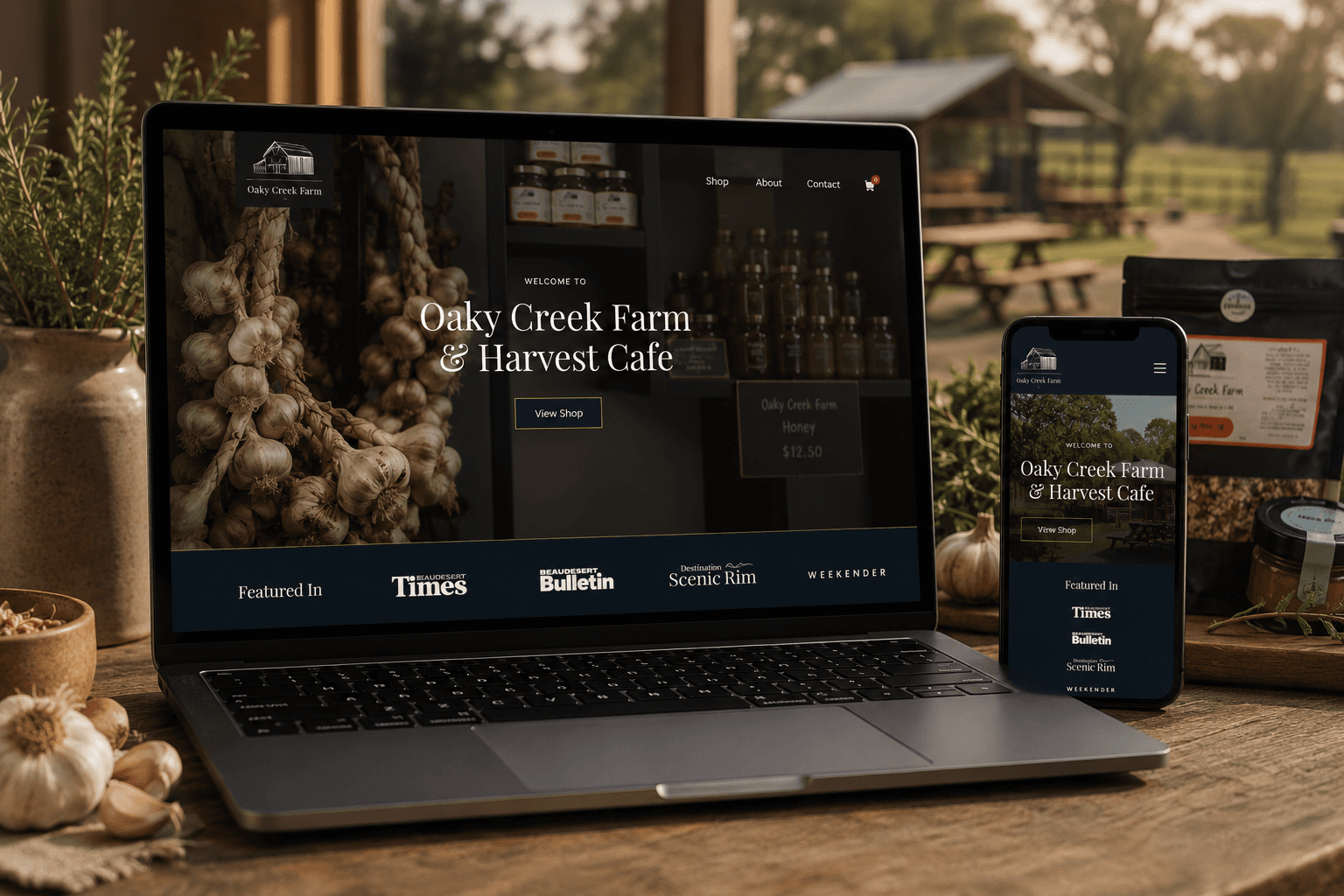
Local relevance, useful content and a stronger store helped nearby customers find the farm and take the next step.
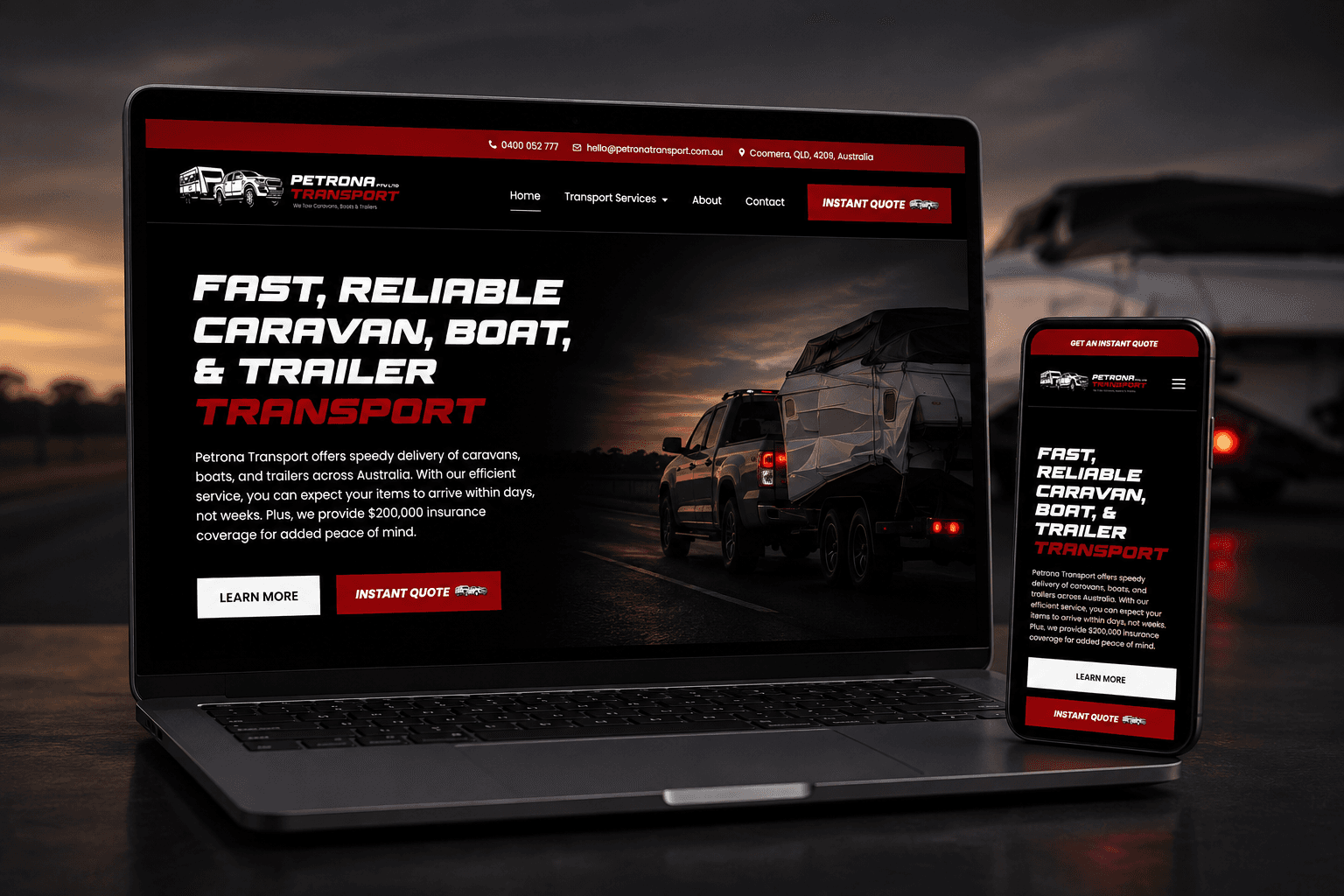
Targeted search visibility and a simpler quote journey connected more commercial customers with the right service.

A premium store and organic strategy made products easier to discover, compare and purchase.
Each stage answers a different question: where the opportunity sits, what is blocking it and what earns the next improvement.
Priority services, current visibility, competitors and website gaps are considered before recommendations are made.
The paid opening month focuses on foundations and opportunities most likely to improve the plan.
Pages, local signals, content and authority develop around proven customer demand.
Monthly reporting connects progress with the next commercially useful action.
Give every priority service page a cleaner foundation.
Explore Technical SEOGet specialist direction when your team can implement the work.
Explore SEO consultingImprove a website that cannot support the next stage of growth.
Explore WordPress websitesCompete in Google Maps and the service-area searches nearby customers use.
Explore Local SEOThe appropriate investment depends on competition, services, locations, website condition and how much content or implementation is required.
Discuss the right investmentUnderstand the fit, timing and practical trade-offs before deciding what belongs in your plan.
Small business SEO improves visibility across the searches most relevant to a smaller business. It combines the right mix of technical SEO, service-page optimisation, local search, content, authority and measurement for the market and growth stage.
The scope can include search and competitor research, technical essentials, Google Business Profile work, service and location pages, useful content, authority building, conversion improvements and reporting tied to qualified actions.
Not always. Local SEO focuses on map results and location-based searches. Small business SEO may include local work, but it can also target national services, ecommerce categories, specialist questions and technical improvements depending on how customers buy.
SEO can be useful when people already search for what you offer and the potential value justifies the investment. A Deepdive should establish that opportunity before a campaign is recommended.
Often, but not by copying their broad strategy. Smaller businesses can focus on specialist services, local relevance, clearer expertise and underserved questions where a stronger answer matters more than brand size alone.
The right investment depends on competition, website condition, locations and growth goals. A sensible scope prioritises the opportunities capable of creating value rather than starting with a generic package.
Foundational changes can begin immediately, while visibility and enquiry growth generally build over months. Timing depends on the starting point, competition, implementation and the authority already established.
Competitive markets and growing websites usually benefit from ongoing improvement. A standalone audit or consulting engagement may suit a business with internal resources and a clearly bounded problem.
The first step is to understand what was completed, what changed and whether the strategy targeted useful demand. Existing work should be assessed before anything is repeated or replaced.
These services reinforce the same customer journey while keeping each priority clear enough to scope, deliver and measure properly.
Compete in Google Maps and the service-area searches nearby customers use.
Explore Local SEOFind the issues and opportunities worth prioritising before investing further.
Explore SEO auditsCreate pages that earn visibility and help visitors make a decision.
Explore Content and copywritingShare the services, locations and customers you want more of. Your website and current visibility are reviewed before the session so you leave with a focused plan.
This is a working session built around your business, not a templated audit or a disguised sales call.
Your website, priority services and visible competitors are reviewed.
See which opportunities deserve investment and which can wait.
A focused 90-day SEO priority plan for your business.
Speak directly with the specialist doing the work. No account manager, no obligation and no sales script.