
Competitors publish the evidence others need
Original data, useful guides and expert proof give journalists and industry resources a natural source to reference.
A link building agency should strengthen priority pages with relevant, independent references that make sense to real readers. The strategy creates evidence worth citing and earns editorial attention from credible sources, without chasing bulk placements or arbitrary authority scores.

Competitors may have comparable services and content but stronger independent evidence. The answer is not a higher link count. It is a more compelling reason for relevant publishers and organisations to reference your page.
Original data, useful guides and expert proof give journalists and industry resources a natural source to reference.
Links collect around disconnected articles while the relevant service, category or evidence page receives little support.
Irrelevant placements and repeated anchors create visible activity without building meaningful topical credibility.
A generic sales page gives a publisher little reason to interrupt its own content with a recommendation.
No third-party metric can establish that fit on its own. Relevance, editorial purpose, source standards and destination quality need to work together.
The source and article serve people with a genuine relationship to your market, expertise or customer problem.
The citation adds evidence or usefulness to the publisher's page rather than filling a paid placement slot.
The linked page delivers the information promised by the surrounding anchor and context.
The source has an audience and purpose beyond selling access to outbound links.
The mix depends on the market, existing authority, assets and the pages that need support.
Understand which sources, topics and assets support established competitors without copying poor-quality tactics.
Develop original insight, practical resources, expert commentary or case evidence that improves another publisher's explanation.
Find publications, organisations, partners and resources with a genuine relationship to the topic.
Present a clear editorial reason for the source or contribution rather than sending mass templates.
Recover appropriate broken references and turn existing brand mentions into useful links where editorially suitable.
Explain the source, editorial reason and destination for every result, including appropriate qualification for sponsored or user-generated links.
Choose an illustrative opportunity to see how relevance, editorial context and destination quality shape the decision.
Select a source type to update the authority assessment.
An established industry publication needs evidence that directly supports its reader's question.
Contribute a useful source, original insight or resource that improves the publisher's article.
The mention connects a credible audience with a page that genuinely helps them.
The strongest authority compounds around useful content, credible relationships and a recognisable body of expertise.
Relevant third parties provide additional reasons to trust your pages and expertise.
Authority is connected intentionally to services, categories and resources with commercial value.
Useful placements can introduce the business to relevant audiences outside search results.
Relevance and editorial purpose reduce dependence on manipulative or disposable tactics.

The strongest references make sense to the publisher, the reader and the page receiving the link. That standard protects quality as authority grows.
Search visibility matters when it produces better enquiries, bookings and sales. These campaigns show the business outcome, not just the ranking report.
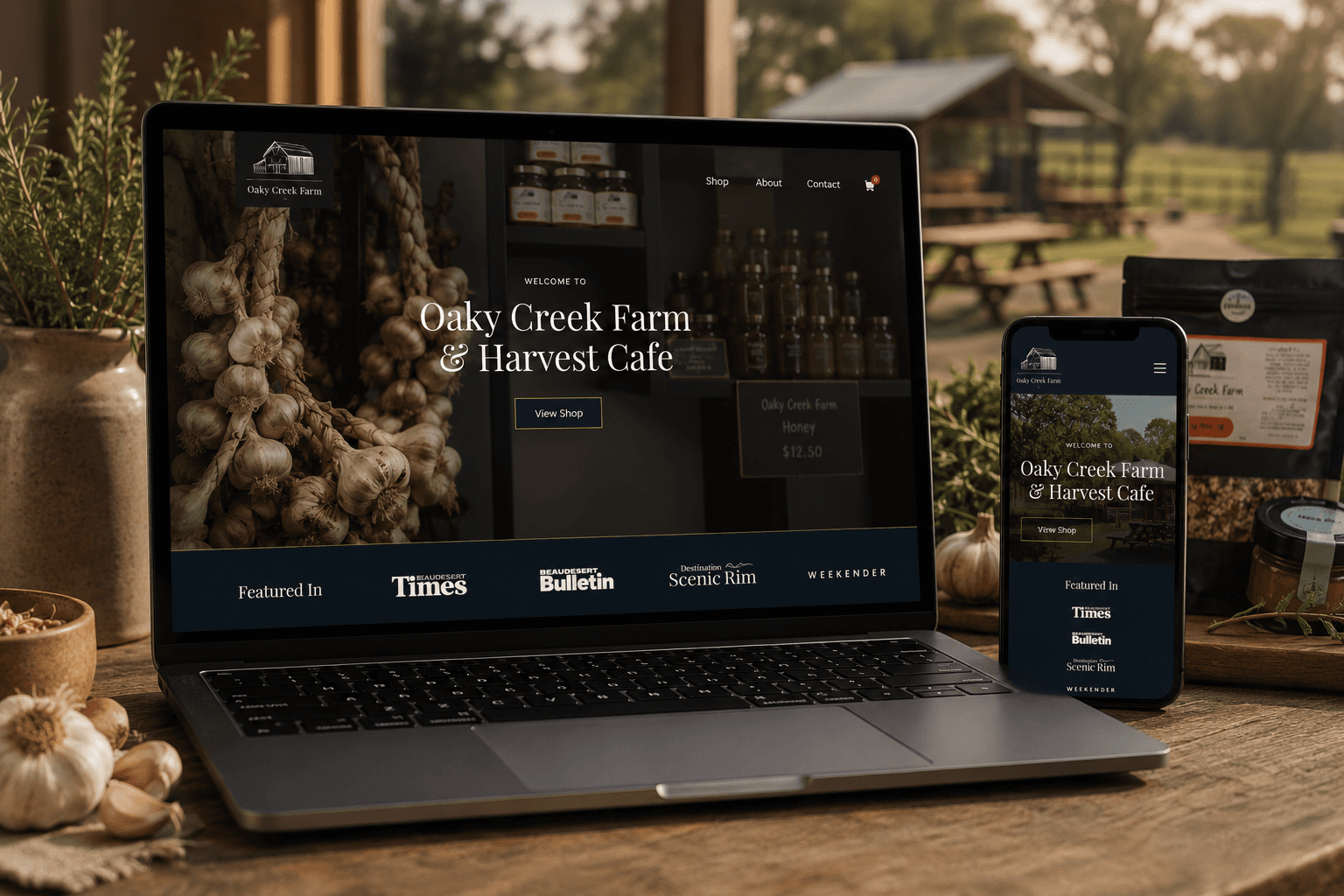
Local relevance, useful content and a stronger store helped nearby customers find the farm and take the next step.
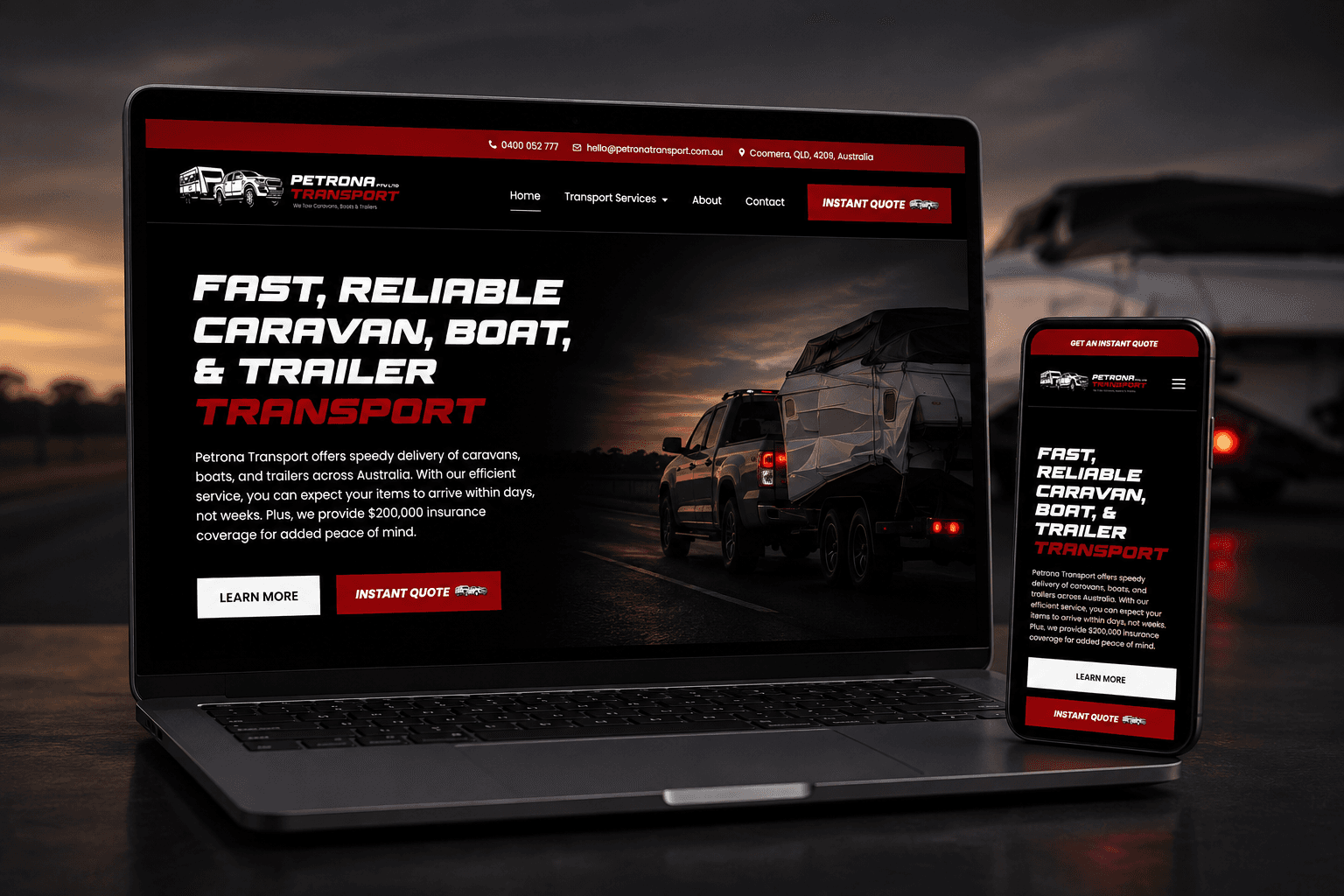
Targeted search visibility and a simpler quote journey connected more commercial customers with the right service.

A premium store and organic strategy made products easier to discover, compare and purchase.
Link earning works best as a connected content and relationship process, not a monthly quantity target.
Priority pages, existing links, competitors and the market's credible sources are reviewed together.
Content, proof or original insight is improved so outreach has a genuine editorial reason.
Opportunities are researched and contacted with a contribution suited to their audience.
Reporting connects source relevance and linked pages with broader visibility and referral signals.
Build citable evidence that also supports AI-assisted discovery.
Explore AI SEOEnsure priority destinations are crawlable and structurally supported.
Explore Technical SEOEarn authority throughout complex, research-heavy buying journeys.
Explore B2B SEOCreate useful evidence and resources credible sources have a reason to cite.
Explore Content and copywritingScope reflects the market, existing assets, research required and whether new evidence or content must be developed before outreach.
Discuss the right investmentUnderstand the fit, timing and practical trade-offs before deciding what belongs in your plan.
Link building earns hyperlinks from other websites to useful pages on your site. Relevant editorial links can support discovery, referral traffic and search authority when they exist for a genuine reason.
Loom Digital does not use bulk paid-link networks or placements chosen only to manipulate rankings. Any partnership, sponsorship or editorial arrangement must be transparent, relevant and assessed for its real purpose.
No. Credible editorial decisions belong to the publisher, and a fixed quota encourages weaker opportunities. The work can guarantee a clear process and quality standard, not third-party acceptance.
No tactic is risk-free when designed to manipulate rankings. Focusing on relevance, editorial purpose, useful destinations and natural context creates a more defensible approach than buying volume.
Third-party metrics can help compare prospects, but they are estimates and should not replace topical relevance, editorial standards, audience and context.
Search engines often ignore low-quality links. Investigation is appropriate when there is evidence of manipulative history or a manual action, but broad removal or disavow work should not be recommended from a tool label alone.
Research, asset development, outreach and editorial review take time. Authority usually compounds over months and works best alongside strong technical foundations and content.
These services reinforce the same customer journey while keeping each priority clear enough to scope, deliver and measure properly.
Create useful evidence and resources credible sources have a reason to cite.
Explore Content and copywritingConnect relevant authority with broader service and market visibility.
Explore National SEOValidate whether authority is the real constraint before pursuing more links.
Explore SEO auditsShare the services and pages you want to strengthen. Existing authority, competitors and available evidence are reviewed before the session so the conversation starts with relevance.
This is a working session built around your business, not a templated audit or a disguised sales call.
Priority pages and visible authority patterns are reviewed.
See which link and evidence gaps appear commercially relevant.
A practical direction for content, authority and outreach priorities.
Speak directly with the specialist doing the work. No account manager, no obligation and no sales script.