
Publishing more is no longer moving growth
New pages are being added while an indexation, architecture, intent or authority constraint remains unresolved.
SEO audit services investigate why organic growth has stalled, declined or become difficult to explain. Technical, content, authority and Search Console evidence is converted into an ordered plan with reasons, dependencies and practical next actions.

An audit is valuable when it resolves a decision. It should explain a decline, establish migration risk, uncover a growth constraint or give a team one defensible implementation order.
New pages are being added while an indexation, architecture, intent or authority constraint remains unresolved.
Website releases, demand, competitors and search systems changed close together, so assumptions need URL-level evidence.
A redesign, migration or consolidation needs a verified inventory of the pages and signals worth protecting.
Marketers, developers and leaders receive warnings without impact, owners, dependencies or an agreed first move.
Crawlers and platforms surface patterns. The audit tests whether they affect valuable pages, identifies the likely cause and translates the finding into work a team can complete.
Which services, products or customer journeys are affected, and what opportunity is being constrained?
Does Search Console, rendering, analytics or representative URL testing support the suspected issue?
Can marketing, content, development or leadership complete the change, and what access is required?
What must happen first, what can wait and which later investment relies on this foundation?
Scope adjusts to the website and question being answered, from a focused technical investigation to a complete search review.
Assess exclusions, duplicate URLs, canonicals, redirects, sitemaps and the discoverability of priority pages.
Review architecture, templates, rendering, performance, mobile experience and structured information.
Compare page coverage, quality, cannibalisation and conversion clarity with customer demand.
Check whether important pages receive enough context, discoverability and support from the rest of the site.
Understand the evidence and relevant external signals supporting competing websites.
Use page indexing, performance and URL-level evidence alongside analytics, then provide an ordered roadmap with reasoning, owners and dependencies.
Choose a finding type to see how the audit validates it, frames the consequence and defines the next action.
Select an audit finding to update the triage explanation.
The page exists, but canonical or exclusion signals prevent it representing the intended search demand.
Validate the affected template and preferred URL, then align internal links, canonicals and sitemap signals.
A fundamental eligibility barrier is addressed before more content is added.
A strong audit reduces wasted implementation and makes the next SEO investment easier to justify.
Decision-makers, marketers and developers can see the same barriers and opportunities.
Work follows impact and dependency rather than the loudest stakeholder or tool warning.
Findings explain the intended change and why it matters, not only where an error appeared.
You can choose implementation, consulting or ongoing SEO with a clearer view of the opportunity.

Evidence becomes useful when every important finding has context, a practical next action and a clear place in the delivery sequence.
Search visibility matters when it produces better enquiries, bookings and sales. These campaigns show the business outcome, not just the ranking report.

Local relevance, useful content and a stronger store helped nearby customers find the farm and take the next step.
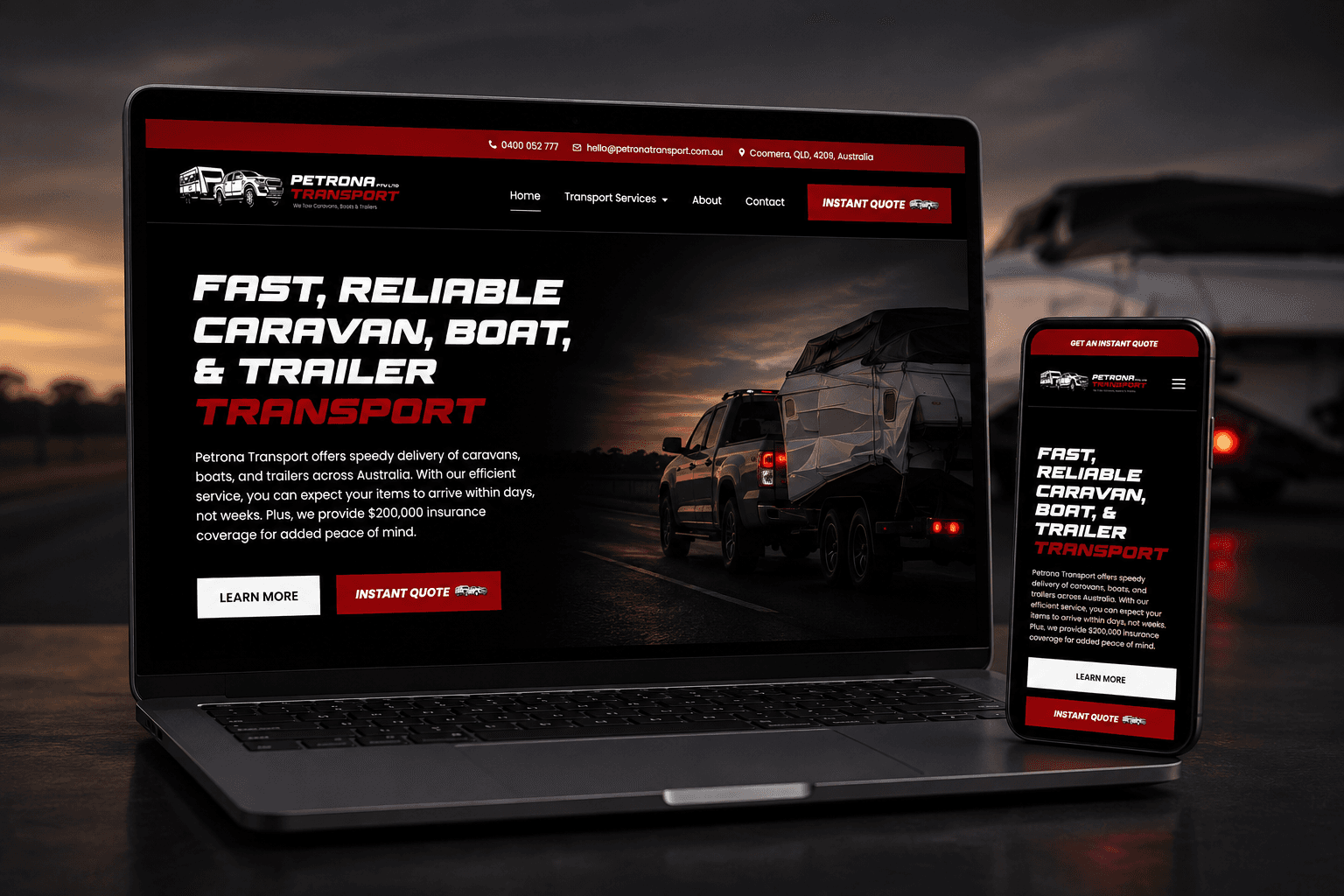
Targeted search visibility and a simpler quote journey connected more commercial customers with the right service.

A premium store and organic strategy made products easier to discover, compare and purchase.
The audit starts with the business question, not a crawler configuration.
Goals, priority services, recent changes, concerns and available access set the investigation boundaries.
Technical, search, content, competitor and analytics evidence is reviewed across representative pages.
Impact, confidence, effort and dependencies shape a practical sequence of work.
Your team receives clear findings, next actions and the context needed to implement them.
Close validated intent and persuasion gaps on priority pages.
Explore Content and copywritingStrengthen the measurement needed to judge future work.
Explore Reporting and analyticsAddress relevant authority gaps found in competitive analysis.
Explore Link buildingInvestigate search barriers across larger websites, teams and delivery systems.
Explore Enterprise SEOA clear scope is agreed before work begins. Larger catalogues, multiple domains, complex rendering or deeper competitor analysis require a broader investigation.
Discuss the right investmentUnderstand the fit, timing and practical trade-offs before deciding what belongs in your plan.
An SEO audit reviews the technical, content, structural, authority and measurement signals affecting organic visibility. A useful audit validates findings and prioritises them around the pages and outcomes that matter to the business.
Tools are useful for finding patterns, but they cannot reliably decide which warnings matter commercially, validate every cause or account for your market and website decisions. The value sits in investigation, interpretation and priority.
An SEO audit is useful when organic performance has changed, teams disagree about the cause, a migration is approaching or the next investment lacks a clear priority. It replaces assumptions with validated evidence and an ordered action plan.
The agreed scope can cover crawling, indexation, technical performance, content and intent, internal links, authority, competitors, Search Console and measurement. Every material finding is translated into a priority, reason and practical next action.
The investment depends on website size, technical complexity, available evidence and the decision the audit needs to support. You receive a defined scope and investment before the investigation begins.
Implementation support can be scoped separately or incorporated into ongoing SEO. The audit itself gives you an independent action plan that your internal team or chosen provider can use.
Timing depends on site size, complexity, access and depth. The expected timeframe is agreed with the scope rather than applying one turnaround to every website.
Useful access typically includes Google Search Console, analytics, the website platform and relevant historical information. Additional server, log or development access may help for complex technical questions.
Not always as a separate engagement, because diagnosis can form part of an opening campaign. A standalone audit is useful when you need an independent plan, have internal implementation resources or face a specific high-risk decision.
An audit can identify plausible causes and recovery actions, but no audit can guarantee rankings. Recovery also depends on implementation, competition, demand and the underlying quality and authority of the site.
These services reinforce the same customer journey while keeping each priority clear enough to scope, deliver and measure properly.
Implement and validate the technical priorities identified in the audit.
Explore Technical SEOGuide internal teams through complex search decisions and implementation.
Explore SEO consultingAudit and protect search signals before a redesign, domain or platform change.
Explore Site migrationsShare the performance change, website concern or decision the audit needs to clarify. The site is reviewed before the session so the scope can focus on a real question.
This is a working session built around your business, not a templated audit or a disguised sales call.
Your website, visibility pattern and stated concern are reviewed.
Clarify the likely investigation scope and strongest initial signals.
A practical recommendation for the right audit or next step.
Speak directly with the specialist doing the work. No account manager, no obligation and no sales script.