
The business has outgrown the message
Services, markets or positioning changed, but the website still describes an earlier version of the offer.
Website redesign services should improve how customers understand, trust and act on your offer without casually throwing away valuable content, URLs or search visibility. The right redesign keeps what still earns its place, fixes what creates friction and rebuilds the system around the business you run now.

Looking dated may be part of the problem, but it is rarely the whole problem. The deeper signs appear in unclear offers, awkward mobile journeys, weak proof and a site structure that no longer reflects how the business earns revenue.
Services, markets or positioning changed, but the website still describes an earlier version of the offer.
Navigation, page hierarchy and calls to action make people work too hard to find the next useful step.
Crowded layouts, slow pages and awkward forms make high-intent visitors abandon the journey.
Old plugins, brittle templates or unclear ownership turn normal content changes into a technical project.
A redesign should not start from a blank canvas. Existing search data, customer behaviour, enquiries, content and team knowledge reveal what deserves protection and what needs to change.
A redesign can change the brand experience without changing every URL, page and message at once. Controlled decisions make the result easier to launch and easier to evaluate.
Identify landing pages, links, content and URLs already supporting discovery or action.
Review navigation, mobile journeys, forms and page-level decisions rather than treating appearance as the only issue.
Restructure the offer, proof and content hierarchy around how the business competes today.
Map content, URLs, redirects, tracking and responsibilities before the new site replaces the old one.
Every major page or feature receives one clear treatment based on evidence and its role in the future customer journey.
The resting model shows the four redesign decisions. Real page decisions use your analytics, search evidence and business priorities.
Preserve useful content, recognised URLs, backlinks and journeys that still support the new direction.
Improve presentation without breaking the underlying value.
The redesign begins with earned assets instead of discarding them.
Keep the purpose while improving hierarchy, proof, mobile use and the next action.
Use evidence to resolve specific friction rather than changing the page for novelty.
Existing attention has a clearer opportunity to become enquiry or sale.
Consolidate duplicate pages, retire obsolete offers and rebuild brittle templates where repair would preserve the wrong system.
Map every removed URL to the most relevant retained destination.
The new website becomes simpler without creating avoidable dead ends.
Create new proof, service journeys, integrations or content only where they support a current customer or operational need.
Define ownership and measurement before adding functionality.
New investment is tied to a clear role rather than filling space.
The scope connects commercial strategy, content, design, development and migration requirements so the new site does more than look different.
Assess customer journeys, content, search landing pages, technical condition and operational constraints.
Define what stays, changes, consolidates and needs to be created for the new offer.
Improve page purpose, proof, objections, calls to action and the information visitors need to decide.
Create a coherent visual and component system across desktop, tablet and mobile.
Build the approved experience while managing URLs, redirects, content and required integrations.
Check forms, tracking, search controls and important journeys before handing over a maintainable website.
The redesign should remove friction customers feel now while creating a cleaner foundation for future services, content and campaigns.
Customers can recognise the offer, relevance and difference without decoding outdated messaging.
Important actions are visible, well explained and easier to complete on every device.
Useful URLs, content and links receive deliberate treatment through the transition.
Reusable components and training make the new site easier for the team to maintain.

Working directly with the specialist responsible for the build reduces handoffs and makes it easier to understand why a page, feature or redirect is being treated a particular way.
Each stage resolves a different risk and creates an agreed checkpoint for the next decision.
Clarify goals, evidence, valuable assets, migration risks and the friction driving the redesign.
Sitemap, wireframes, content priorities and retain-or-replace decisions define the new structure.
Create the responsive system, develop components and migrate approved content and functionality.
Test redirects, forms, tracking, devices and priority pages before launch monitoring and training.
Good design makes the offer easier to understand and the next action easier to take. These projects connect the website with bookings, sales and search visibility.
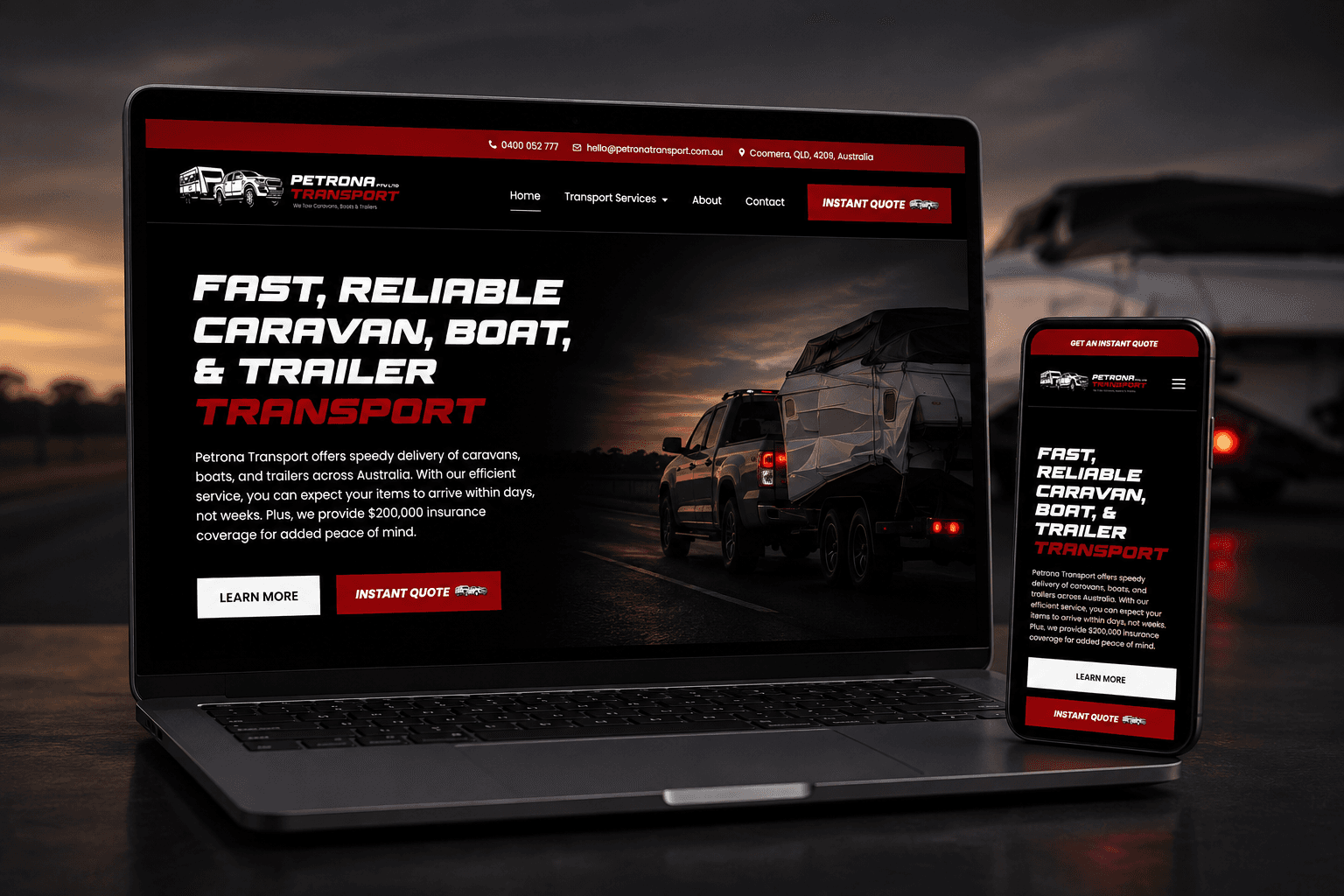
A custom website and instant quote calculator replaced slow phone-based quoting with a clearer booking journey.
1,700% more online bookings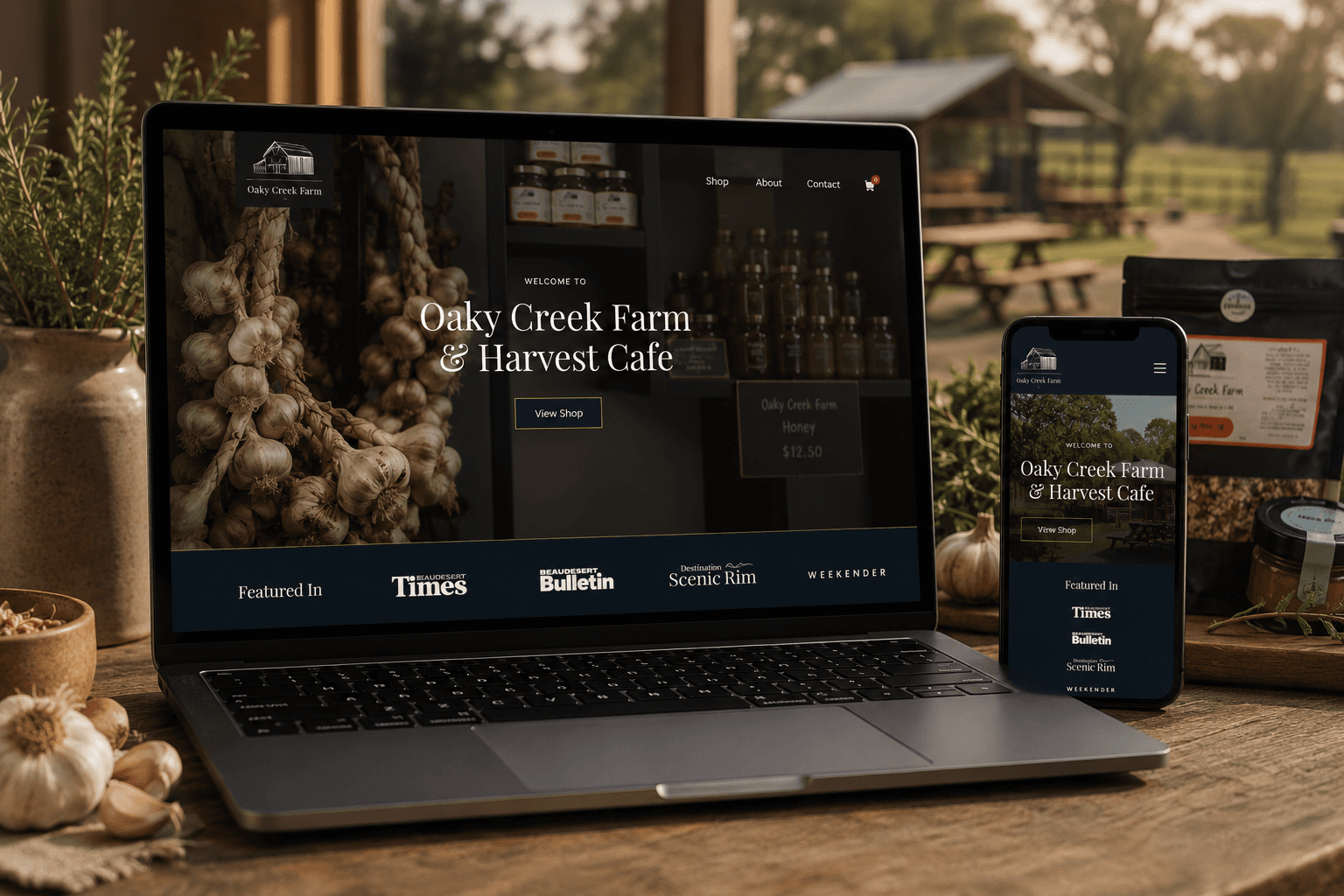
A content-rich website connects the farm cafe, products, bookings and online ordering in one customer journey.
2,105% increase in organic traffic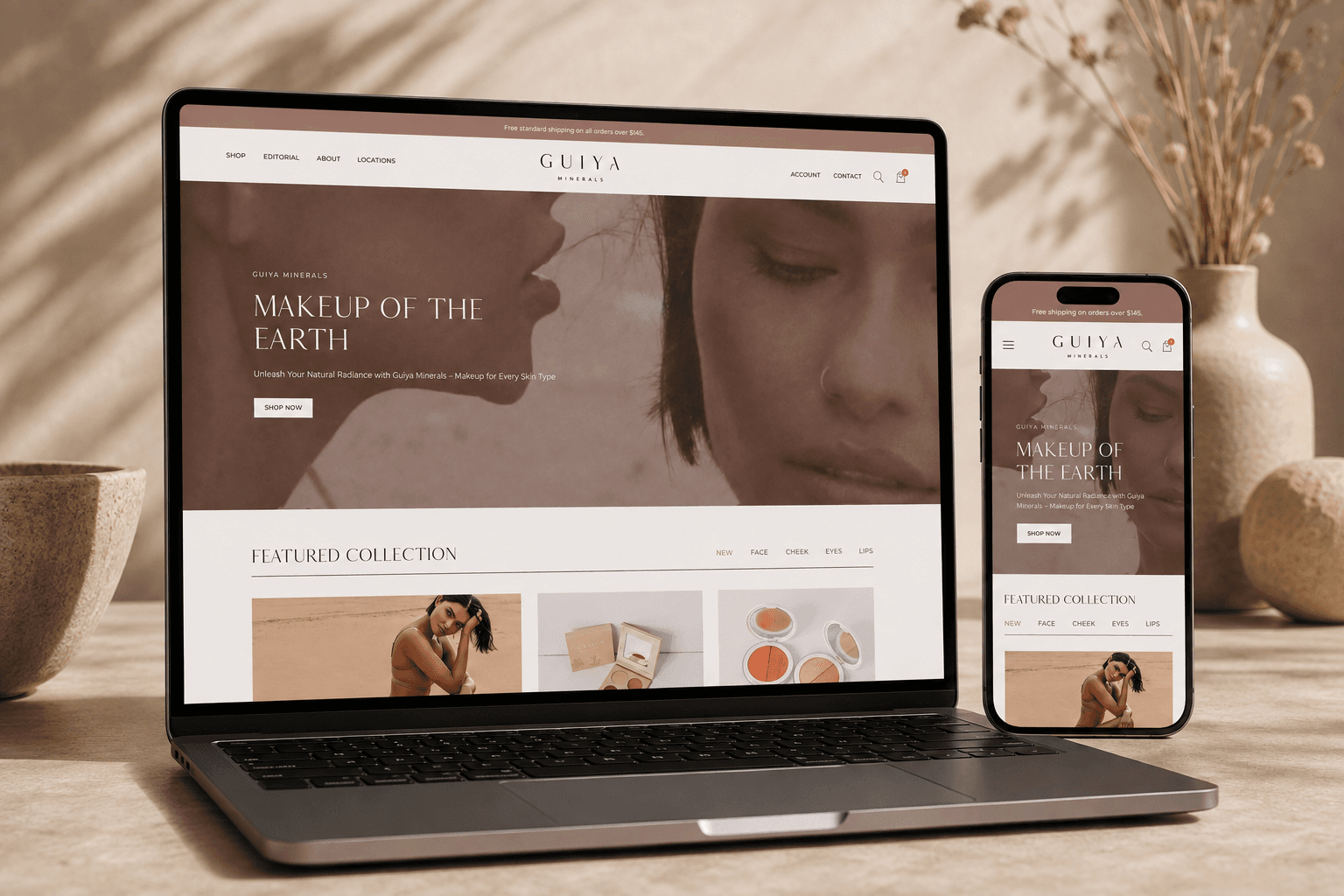
A premium online store made products easier to discover, compare and purchase across screen sizes.
1,750% increase in total salesThe fixed scope reflects page count, content work, platform, integrations and migration complexity. Payment milestones and responsibilities are agreed in writing before the redesign begins.
Discuss the right website scopeUnderstand the fit, ownership, timeline and investment before deciding what belongs in the build.
Website redesign services can include current-site analysis, strategy, sitemap and wireframes, content improvement, responsive design, development, migration, testing, launch and training. Your fixed scope identifies the parts your project needs.
A redesign is worth considering when the website no longer reflects the offer, creates mobile or conversion friction, is difficult to maintain, or relies on a platform that blocks necessary improvements. A cosmetic refresh alone may not solve those problems.
The investment depends on page count, content, integrations, platform and migration complexity. You receive a fixed scope and price before work begins, so the decision is based on the actual project rather than a generic package.
It can. Changes to URLs, content, navigation, templates and internal links can affect organic visibility. Valuable search assets should be identified and migration requirements planned before launch.
Yes. Useful content, functionality, URLs and brand elements can be retained when they still support the future experience. The redesign decision map avoids replacing assets only because they are old.
The distinction matters less than the scope of change. A major redesign may still require a new component system or platform, while a focused redesign may retain most technical foundations. The current constraints and future needs determine the right approach.
Timing depends on scope, content readiness, integrations, migration complexity and review availability. Milestones are agreed before work begins.
A redesign can improve clarity, proof, mobile usability and conversion paths, giving qualified visitors fewer reasons to abandon the journey. No specific enquiry result can be guaranteed.
These services solve closely related website problems without forcing every requirement into one generic build.
Build a new website system around a changed offer or more complex requirements.
Explore Custom web designKeep the redesigned website updated, monitored and supported after launch.
Explore Website hosting and maintenanceImprove the forms, bookings and handoffs closest to conversion.
Explore Booking and lead capture websitesOwnership, editing, products, integrations and maintenance matter more than loyalty to a particular platform.
Redesign a flexible content-led site with clear ownership and editing controls.
Explore WordPress websitesRework product discovery, merchandising and checkout on a commerce platform.
Explore Shopify websitesCreate a design-led website with a controlled visual content system.
Explore Webflow websitesShare what has changed, where customers struggle and what the current website is failing to support. The site is reviewed before the session so the discussion starts with evidence, not a visual opinion.
This is a working session built around your business, not a templated audit or a disguised sales call.
Your current structure, priority pages and visible friction are reviewed.
Clarify what deserves protection, improvement or replacement.
A practical recommendation for redesign scope and the next planning step.
Speak directly with the specialist doing the work. No account manager, no obligation and no sales script.