
Rankings are reported without intent
A position improves, but nobody checks whether the query belongs to a customer, a job seeker, an existing client or an irrelevant researcher.
SEO reporting services should show how people find the website, what helps them act and where valuable demand is being lost. Replace ranking reports and disconnected SEO dashboards with analytics that connect visibility, website behaviour and enquiries, then explain what deserves attention next.

Useful reporting should help you decide where to invest, what to fix and whether search is attracting the right people. If it cannot answer those questions, it is documentation rather than decision support.
A position improves, but nobody checks whether the query belongs to a customer, a job seeker, an existing client or an irrelevant researcher.
Forms and calls are counted without the landing page, search theme or later sales context needed to judge value.
Consent changes, form replacements, cross-domain journeys and duplicated events quietly change the numbers.
Charts arrive on schedule, but they do not explain what changed, what remains uncertain or what should be funded next.
Choose a stage to see the evidence it contributes, the question it answers and the decision it can support. The example is illustrative rather than client performance data.
Explore the evidence trail
Search Console and ranking data reveal the query theme, page shown and visibility available.
Question: are you visible for commercially relevant demand?
Decision: strengthen, expand or deprioritise the opportunity
No analytics setup can observe every influence perfectly. A dependable measurement system makes the strongest available evidence clear, documents its limits and keeps decisions grounded in more than one metric.
Search Console query groups and landing pages show which needs can find you, while acknowledging that the interface does not expose every query.
GA4 events, key events and landing-page journeys reveal whether the page supports a meaningful next decision.
Analytics events can mark meaningful actions such as forms, calls or purchases as key events, then connect them with landing pages and traffic sources where the data allows.
Opportunity, business value and implementation effort turn observations into a practical sequence of work.
A trustworthy reporting system begins with questions and validation, not a collection of widgets.
Agree the decisions, key events, lead definitions, data owners and people who need to act on the reporting.
Follow real form, call, purchase and cross-domain journeys to find duplicated, missing or misattributed events.
Organise query groups, landing pages, behaviour and enquiries, then document what each field can and cannot prove.
Record material changes, investigate anomalies and finish each cycle with the next evidence-led action.
The exact setup depends on the website, privacy requirements, enquiry journey and tools already in place. The purpose stays the same: trustworthy evidence and clearer decisions.
Analytics, Search Console, forms, calls, referral exclusions, cross-domain journeys and consent behaviour are checked for gaps.
Meaningful actions are named consistently and separated from micro-interactions that should not be treated as business outcomes.
Events, parameters, source data and test journeys are documented or configured within the agreed technical scope.
Relevant visibility, landing-page, engagement and enquiry data is organised into one decision-focused view.
Reporting explains what changed, why it matters, what remains uncertain and what should happen next.
Material website, consent and measurement changes are documented so sudden data shifts can be investigated properly.
A reporting system earns its place when it changes priorities, protects investment and makes performance easier to discuss across the business.
Marketing, leadership and delivery teams can work from the same definitions and evidence.
Pages and search themes are prioritised by their relationship to useful action, not traffic alone.
Tracking, visibility and conversion changes are easier to investigate before months of reporting are affected.
Every recommendation can point to the customer problem, evidence and intended commercial effect behind it.

Useful reporting connects visibility with qualified actions, explains the limits of the data and shows where the next investment deserves attention.
Turn reliable measurement into a prioritised search roadmap your team can act on.
Explore SEO consultingConnect AI mentions and cited sources with organic visibility and qualified visits.
Explore AI SEOMeasure organic discovery across a longer, multi-stakeholder buying journey.
Explore B2B SEOConnect organic product and category discovery with transactions and store performance.
Explore eCommerce SEOSearch visibility matters when it produces better enquiries, bookings and sales. These campaigns show the business outcome, not just the ranking report.
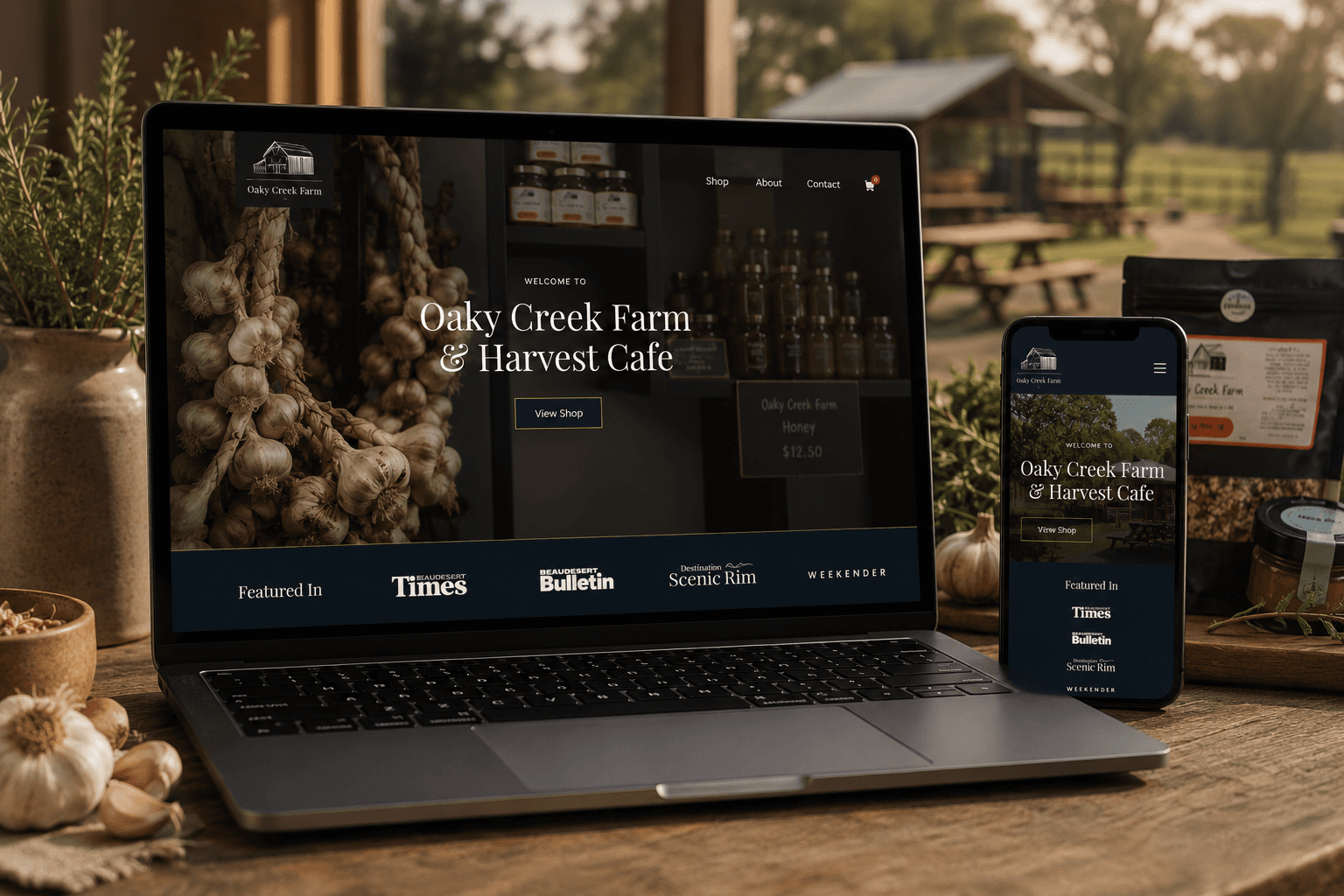
Local relevance, useful content and a stronger store helped nearby customers find the farm and take the next step.
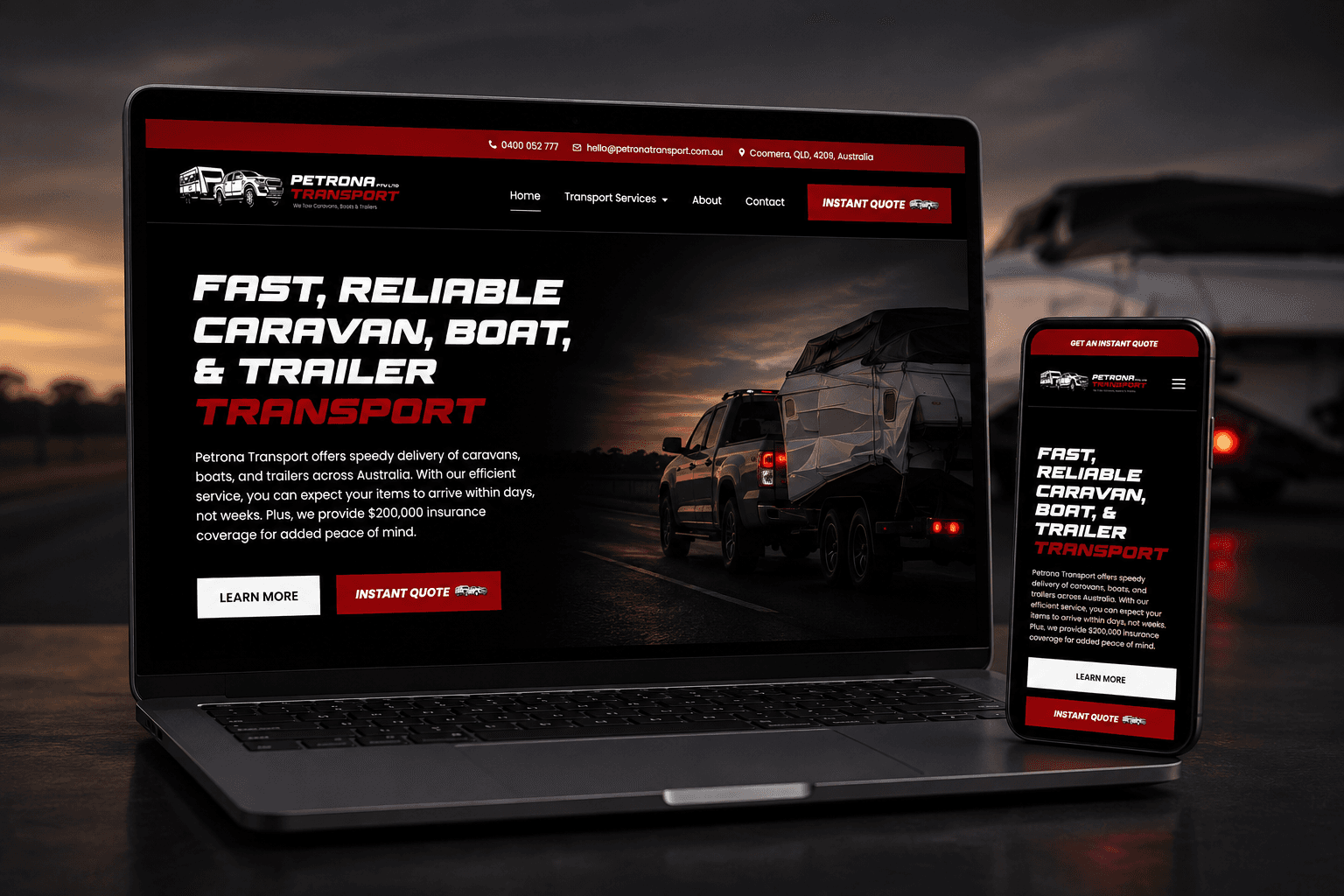
Targeted search visibility and a simpler quote journey connected more commercial customers with the right service.

A premium store and organic strategy made products easier to discover, compare and purchase.
Scope depends on the number of websites, forms, call pathways, analytics properties and external systems involved. A clear implementation and reporting scope is agreed before work begins.
Discuss the right investmentUnderstand the fit, timing and practical trade-offs before deciding what belongs in your plan.
It should connect relevant search visibility, landing-page performance and meaningful customer actions, then explain what changed and what deserves priority next. The exact metrics should reflect the business model rather than a generic template.
Many forms, calls and booking actions can be recorded as meaningful events and connected to organic journeys, but attribution is never perfect. Privacy choices, modelled data, multiple devices, offline conversations and delayed decisions should be recognised in the interpretation.
They provide different evidence and are commonly used together. Search Console shows how the site appears in Google Search, while analytics helps explain on-site behaviour. Other sources may be needed for calls, forms or CRM outcomes.
Yes, where access and platform constraints allow. The first step is to identify which decisions the setup needs to support, then test the events and data sources against real website journeys.
No, but a well-maintained CRM can help connect enquiries with later sales outcomes. Useful reporting can still begin with reliable forms, calls and other high-intent actions.
Sometimes revenue can be connected directly, particularly in eCommerce. For longer or offline journeys, reporting should present the strongest available evidence without claiming certainty the data cannot support.
Ownership and access should be agreed before implementation. Wherever practical, core analytics properties and business data should remain under accounts controlled by the business.
Investment depends on the number of websites, analytics properties, forms, call pathways, conversion events and external systems that need to be connected. The initial scope should separate essential measurement from optional dashboard or integration work before implementation begins.
These services reinforce the same customer journey while keeping each priority clear enough to scope, deliver and measure properly.
Find the technical, content and measurement issues affecting organic performance.
Explore SEO auditsUse reliable search and conversion evidence to improve the pages customers rely on.
Explore Content and copywritingResolve crawl, rendering and website issues revealed by trustworthy measurement.
Explore Technical SEOShare the decisions your current reports cannot answer. Your visible tracking and customer journey are reviewed before the session so the conversation starts with the most important measurement gaps.
This is a working session built around your business, not a templated audit or a disguised sales call.
Your current reporting, visible tracking and key enquiry pathways are reviewed.
See which evidence can be trusted, which gaps matter and what should be measured differently.
A plain-English measurement priority list tied to the decisions the business needs to make.
Speak directly with the specialist doing the work. No account manager, no obligation and no sales script.