
Proven landing pages vanish
URLs with rankings, links and conversions are removed without a genuinely equivalent destination or retention decision.
SEO migration services protect valuable URLs, content, links and measurement when a domain, platform or website structure changes. Search requirements enter the project before launch so redirects, page decisions and live validation are planned rather than improvised during a decline.

A migration changes several signals at once. Early search involvement preserves more choices, while late involvement often means diagnosing a loss after the cleanest evidence has disappeared.
URLs with rankings, links and conversions are removed without a genuinely equivalent destination or retention decision.
Blanket homepage rules and chains move visitors somewhere, but fail to preserve the page relationship search systems need.
URLs, copy, headings, templates and internal links all move, leaving no clean explanation when performance changes.
Without pre-launch landing-page, index and link evidence, the team cannot separate expected processing from preventable loss.
Choose a stage to see the signals being protected, the practical check and the failure it helps prevent.
Select a migration stage to update the launch control plan.
Priority URLs, organic landing pages, backlinks, content and index signals form the migration benchmark.
Map old URLs to relevant new destinations and review staging templates, canonicals, robots rules, sitemaps and analytics.
The launch plan knows which assets and signals cannot be treated as disposable.
A CMS move, domain change and redesign do not share one checklist. The plan needs to identify the search asset at risk, the team that controls it and the evidence proving a safe transition.
Rendering, templates, URL rules and index controls can change even when the visible content looks familiar.
Old URLs and external authority need direct permanent transitions to the most relevant new equivalents.
Navigation, internal links, page purpose and content hierarchy can shift alongside the visual system.
Overlapping domains and page sets need deliberate keep, merge, redirect and retire decisions before one site replaces another.
Clear checkpoints and ownership keep search requirements visible as design, content and development decisions evolve.
Scope, timeline, responsibilities, benchmarks and priority URLs establish the migration requirements.
Redirects, content, templates, technical controls and tracking are checked before launch approval.
Critical URLs, redirects, index signals and measurement receive immediate checks and documented actions.
Post-launch data is compared with the benchmark and validated issues are corrected in priority order.
Support scales from an independent migration review to close collaboration with designers, developers and content teams.
Identify organic landing pages, indexed URLs, backlinks and page groups that deserve deliberate treatment.
Match each valuable old URL to the most relevant new equivalent, avoiding blanket homepage redirects and unnecessary chains.
Check templates, rendering, canonicals, robots rules, sitemaps, internal links and mobile performance before launch.
Track material changes to page purpose, copy, headings and search signals on priority URLs.
Test live redirects, status codes, indexing controls, analytics and representative customer journeys.
Review crawling, indexation, organic performance and residual issues against the pre-launch benchmark.
Migration SEO reduces preventable risk and gives the team stronger evidence when the new site begins settling.
Priority URLs, content and authority receive deliberate destinations and validation.
Critical technical and measurement controls are checked before and immediately after release.
Benchmarks and page-group monitoring make emerging issues easier to isolate.
The new site can begin ongoing growth without carrying unresolved redirect, index or architecture debt.

Early planning protects more options, gives every team clearer requirements and reduces the amount of recovery work required after launch.
Retain or improve the information priority pages need through the redesign.
Explore Content and copywritingBuild the next stage of wider organic growth on the protected website foundation.
Explore National SEOSupport internal teams through complex migration decisions.
Explore SEO consultingConnect migration protection with the next stage of organic growth.
Explore All SEO servicesSearch visibility matters when it produces better enquiries, bookings and sales. These campaigns show the business outcome, not just the ranking report.

Local relevance, useful content and a stronger store helped nearby customers find the farm and take the next step.
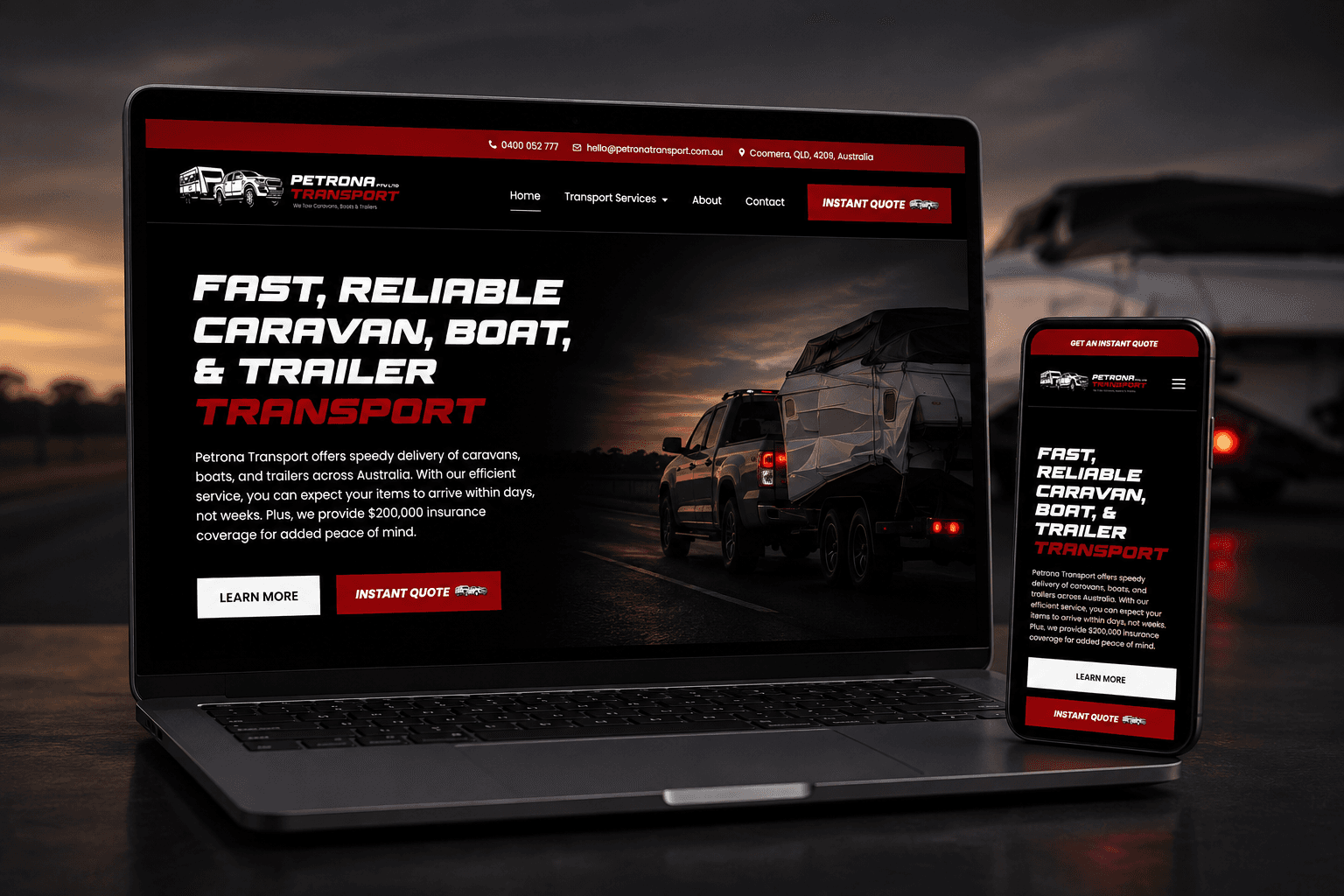
Targeted search visibility and a simpler quote journey connected more commercial customers with the right service.

A premium store and organic strategy made products easier to discover, compare and purchase.
A clear scope is agreed around website size, migration type, timeline, platforms, stakeholders and the depth of pre- and post-launch validation required.
Discuss the right investmentUnderstand the fit, timing and practical trade-offs before deciding what belongs in your plan.
An SEO site migration manages search risks when a website changes platform, domain, design, architecture, protocol or URL structure. It protects valuable pages and signals through planning, mapping, validation and monitoring.
Developers implement much of the technical work, while SEO identifies which search assets matter, how URLs should transition and how the outcome should be validated. Collaboration is essential because neither discipline replaces the other.
Ideally during planning, before URLs, architecture and content decisions are final. Early involvement creates more options and reduces expensive rework close to launch.
No. Website changes and search systems can create volatility even with careful planning. Migration SEO reduces avoidable risk and improves diagnosis, but cannot guarantee rankings or traffic.
A post-launch review can compare available historical data, validate redirects and index signals, and identify recoverable issues. The sooner problems are investigated, the clearer the evidence is likely to be.
Google recommends keeping site-move redirects for as long as possible, generally at least one year. From a visitor perspective, useful redirects may remain indefinitely, while internal and high-value external links should be updated to point directly to the new URLs.
Some fluctuation can occur while search engines recrawl and process changes. The scale and duration depend on what changed, implementation quality, website size and the strength of the retained pages and signals.
Migration work commonly needs the current and staging websites, analytics, Google Search Console, URL inventories and communication with development or project teams. Exact access depends on the agreed scope.
These services reinforce the same customer journey while keeping each priority clear enough to scope, deliver and measure properly.
Validate crawling, indexing, redirects and templates before and after launch.
Explore Technical SEOBenchmark the current website and identify assets worth protecting.
Explore SEO auditsPreserve measurement and compare post-launch performance with the baseline.
Explore Reporting and analyticsShare the platform, domain, redesign or URL change being planned. The current website and available project context are reviewed before the session so risks can be discussed early.
This is a working session built around your business, not a templated audit or a disguised sales call.
The current site and proposed migration scope are reviewed.
See the strongest search risks, dependencies and planning gaps.
A practical recommendation for migration scope and next checkpoints.
Speak directly with the specialist doing the work. No account manager, no obligation and no sales script.