
Production starts before the viewer question
Time is spent filming a broad topic before anyone defines who needs it, what they search or what should become clearer.
YouTube SEO services connect genuine viewer demand with a clear video promise and a channel people can keep exploring. Topic research, titles, thumbnails, descriptions and the video itself work together to improve discoverability without chasing empty views or pretending tags can rescue unhelpful content.

A video needs a clear viewer, question and promise before its title, description or chapters can support meaningful discovery.
Time is spent filming a broad topic before anyone defines who needs it, what they search or what should become clearer.
The thumbnail creates curiosity, the title suggests another outcome and the opening delays the answer, so the right viewer leaves.
Metadata is treated as the growth lever even though YouTube says tags play a minimal discovery role beyond misspellings.
A useful answer ends without a relevant playlist, next video, website resource or commercial action.
Choose a discovery route to see the viewer question, content signal and next step it needs. The example is illustrative rather than channel performance data.
Choose a discovery route
Align the viewer question with the title, description and spoken content, then answer the core need before expanding it.
Packaging test: can a new viewer predict the value accurately?
Journey: related answer, guide or relevant service page
YouTube can surface videos through search, suggested viewing, browse features and external pages. No single optimisation controls those systems, so the strategy must align the topic, promise, content and next step.
YouTube says search considers relevance, engagement and quality. Titles, descriptions and the video content itself help clarify the query a video answers.
The title and thumbnail should make a specific, honest promise the opening delivers quickly. Tags have only a minimal discovery role beyond common misspellings.
Clear structure, early value and relevant depth help the intended viewer continue. Recommendations also use personalised behaviour and satisfaction signals.
Playlists, related videos, website pages and consistent expertise give viewers a logical route through a topic.
A repeatable planning and review system reduces wasted production and keeps every upload tied to a useful audience need.
Identify valuable viewer questions and decide whether each concept is built for Search, Home, Up Next or a website journey.
Develop topic, title direction, thumbnail concept, opening, structure, evidence and next action as one brief.
Complete descriptions, chapters, playlists, end-screen direction and relevant website support around the finished content.
Use traffic source, packaging, retention and satisfaction evidence to improve concepts instead of chasing a universal algorithm trick.
The exact scope depends on the existing channel, production capability and role video plays in the wider customer journey.
Map who the channel needs to help, what they search and which topics belong on Search versus broader discovery surfaces.
Organise subject clusters and series so each upload has a place and viewers can continue logically.
Define the viewer, surface, title promise, thumbnail idea, opening, evidence and next step before filming.
Improve the title, thumbnail brief, description, chapters and transcript so the video's promise and subject are clear.
Review useful older videos for better positioning, context, internal connections and website support.
Separate Search, Browse, Suggested and external discovery, then review packaging, retention and available website actions without reducing success to views alone.
The goal is an audience with genuine subject interest and a clear path toward more expertise or commercial action.
Videos target questions and viewers connected to the expertise and offer.
Playlists and related topics turn isolated uploads into a coherent resource.
Videos can support website content, search results and buyer education across formats.
Reporting helps decide which topics, formats and journeys deserve further investment.

Viewer intent, packaging and the opening experience need to agree before titles, descriptions and channel structure can support meaningful discovery.
Use helpful video to support product discovery, comparison and confident purchase decisions.
Explore eCommerce SEOConnect video discovery with meaningful website and enquiry evidence.
Explore Reporting and analyticsBuild broader Australian visibility for expert topics and services.
Explore National SEOMake embedded video pages crawlable, useful and technically dependable.
Explore Technical SEOSearch visibility matters when it produces better enquiries, bookings and sales. These campaigns show the business outcome, not just the ranking report.
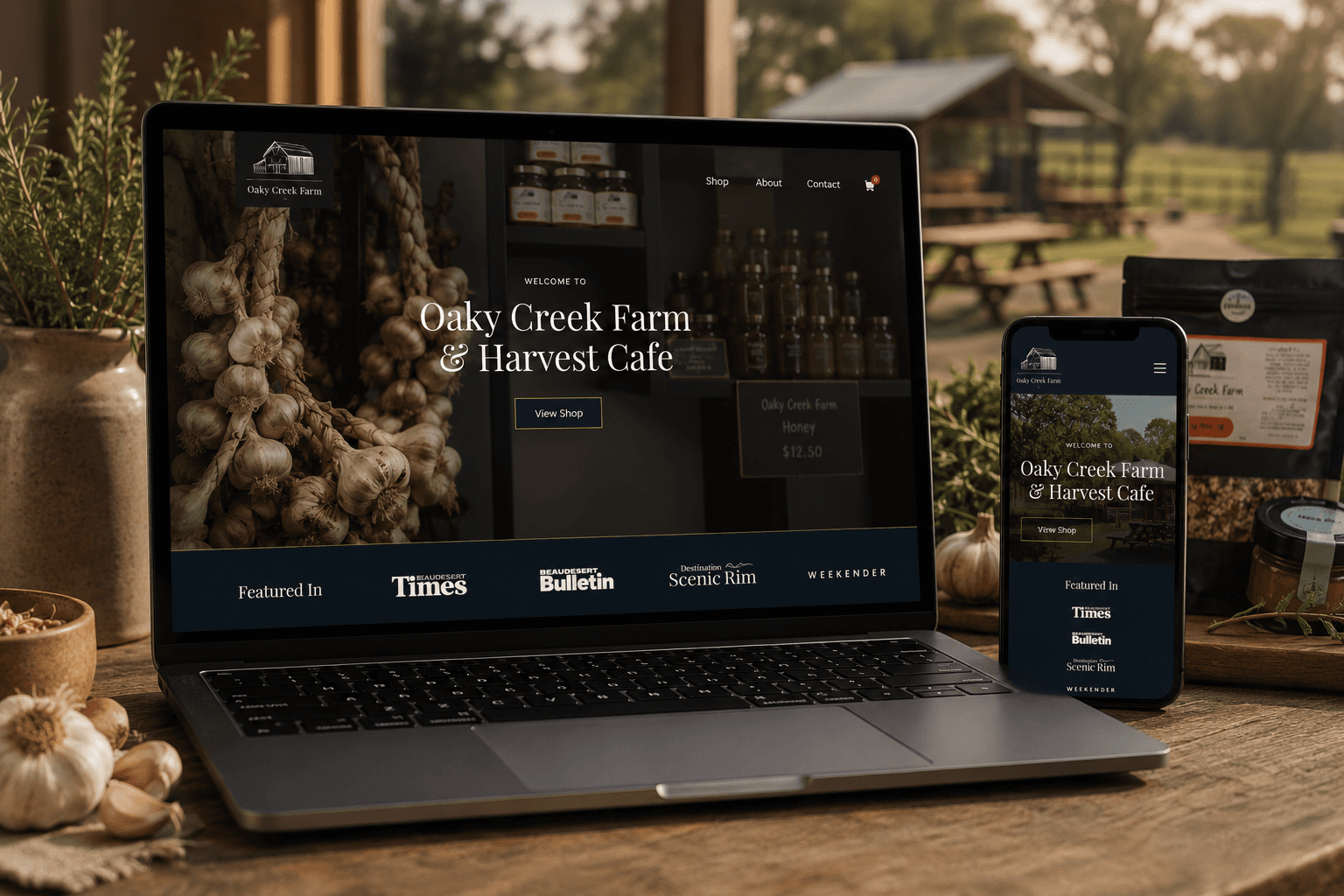
Local relevance, useful content and a stronger store helped nearby customers find the farm and take the next step.
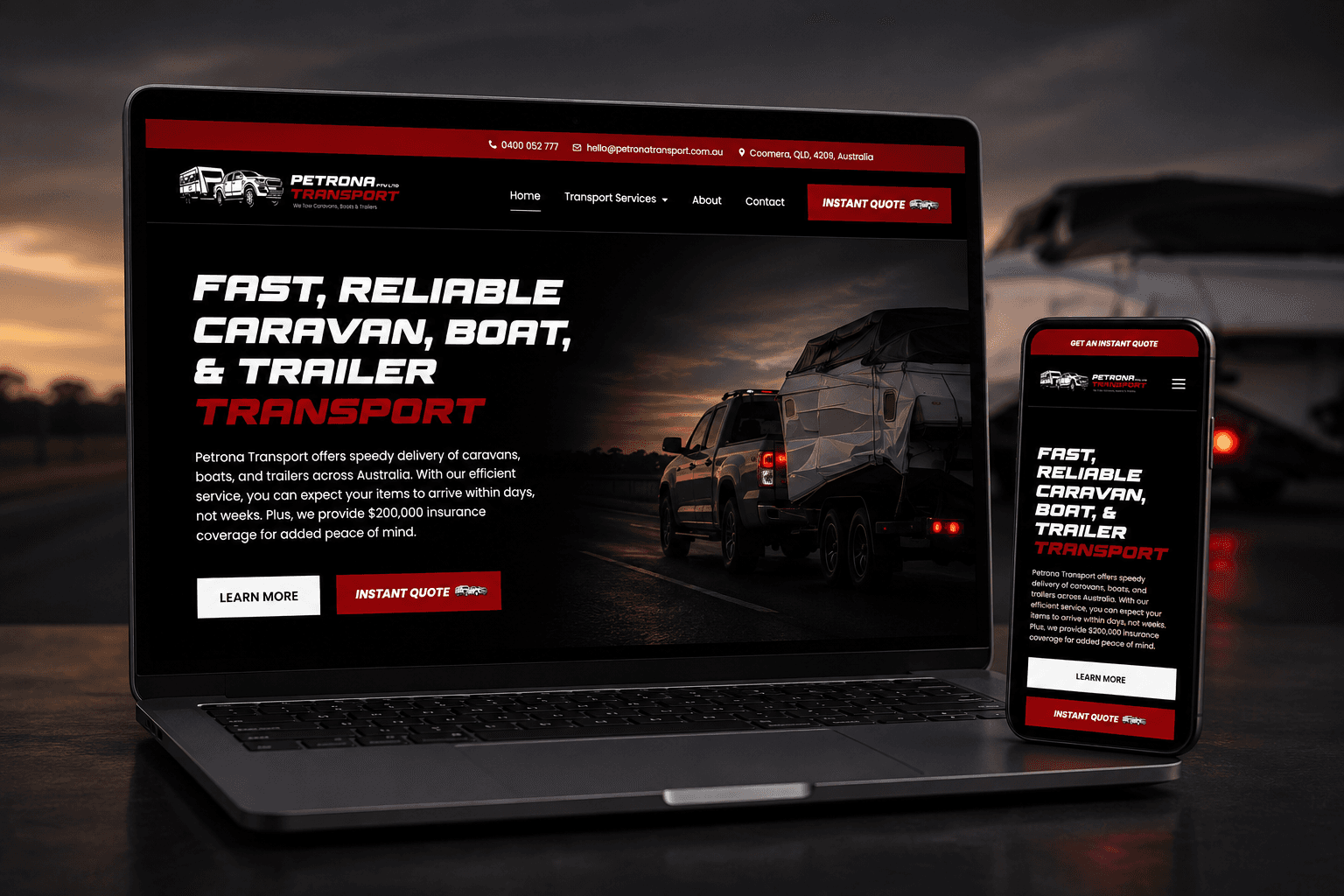
Targeted search visibility and a simpler quote journey connected more commercial customers with the right service.
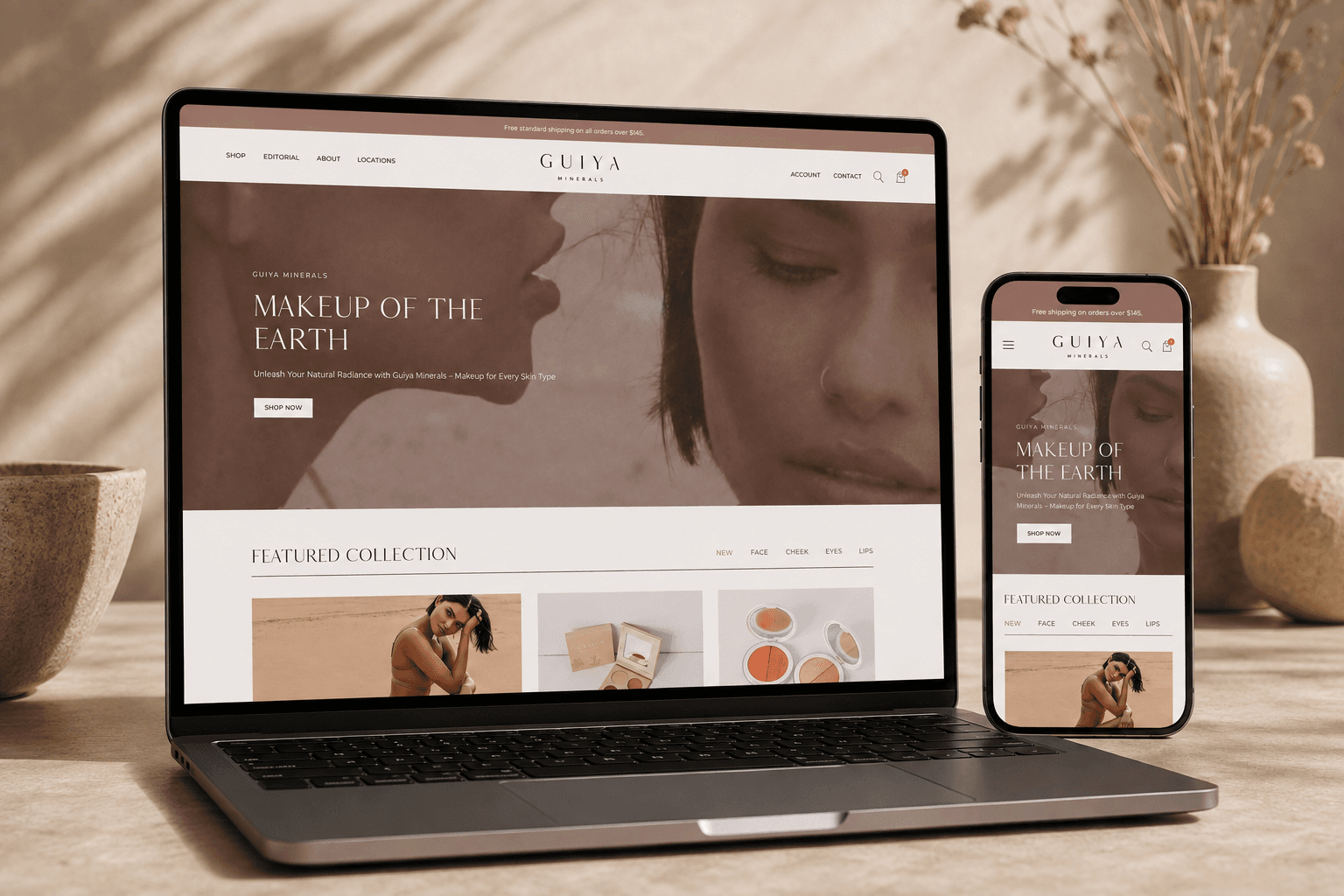
A premium store and organic strategy made products easier to discover, compare and purchase.
Scope depends on the existing library, publishing goals, topic breadth and whether Loom is providing strategy, optimisation or wider content support. Filming and editing are not assumed unless included explicitly.
Discuss the right investmentUnderstand the fit, timing and practical trade-offs before deciding what belongs in your plan.
YouTube SEO aligns viewer demand, video topics, titles, thumbnails, descriptions, video content and channel structure. YouTube says search prioritises relevance, engagement and quality rather than metadata alone.
YouTube says titles, thumbnails and descriptions are more important for discovery, while tags play a minimal role except when a topic is commonly misspelled. Time is usually better invested in the viewer promise and the video itself.
No. YouTube controls distribution and viewers decide what to watch. The work improves relevance, clarity and connected viewing without promising an outcome outside the provider's control.
No. A new channel can begin with audience research and a focused content architecture, while an established channel may offer useful performance evidence and videos to improve.
Yes. Useful older videos can be reviewed for clearer positioning, metadata, chapters, transcripts, playlists, website integration and next steps.
Production is not automatically included in YouTube SEO. Strategy, briefing, optimisation, filming, editing and design responsibilities should be stated clearly in the scope.
There is no universal cadence. A sustainable schedule with useful, well-planned videos is more valuable than frequent publishing that dilutes quality.
Relevant discovery, search themes, viewing behaviour, connected video journeys and available website actions are considered together. Views alone do not show whether the right audience was reached.
Investment depends on channel size, the existing video library, publishing goals and whether the scope includes strategy, optimisation, briefing or wider production support. Filming, editing and thumbnail design should be stated clearly rather than assumed.
These services reinforce the same customer journey while keeping each priority clear enough to scope, deliver and measure properly.
Turn expert video topics into useful briefs, transcripts and supporting website content.
Explore Content and copywritingMake clear expert answers easier to retrieve across AI-assisted research experiences.
Explore AI SEOUse expert video to support complex research and stakeholder validation.
Explore B2B SEOShare the channel, expertise and customers you want to reach. Your visible video library and topic market are reviewed before the session so you can identify the clearest discovery opportunity.
This is a working session built around your business, not a templated audit or a disguised sales call.
Your channel, visible topics and current discovery paths are reviewed.
Identify the strongest topic gap, channel issue and first optimisation priority.
A plain-English starting plan for the next useful video or channel improvement.
Speak directly with the specialist doing the work. No account manager, no obligation and no sales script.