
Platform and crawl foundations
Rendering, indexation, faceted navigation, URL inventory and template behaviour determine how efficiently important content can be found.
Enterprise SEO services solve search problems at the level where they are created: platforms, templates, URL inventories, workflows and cross-team decisions. Technical priorities, content systems and governance work together so valuable improvements can move through a complex organisation without losing their purpose.

Enterprise SEO strategy combines technical scale, content architecture, internal authority and organisational governance. Recommendations create value only when product, engineering and content teams can prioritise, implement and verify them.
Rendering, indexation, faceted navigation, URL inventory and template behaviour determine how efficiently important content can be found.
A governed inventory defines what a product, category, location, campaign and editorial page is allowed to target.
Navigation, modules and contextual links should reinforce strategic page families instead of spreading signals accidentally.
Definition of done, responsible teams, QA samples and escalation paths turn recommendations into repeatable practice.
Enterprise SEO is rarely blocked by a lack of ideas. Growth stalls when ownership is unclear, roadmaps compete and technical or content decisions repeat across thousands of URLs.
One rendering, canonical, metadata or internal-link rule repeats across every URL using the component.
Engineering needs a business case, affected inventory and acceptance criteria, not another audit row marked high priority.
Local ownership produces duplicate page roles, inconsistent taxonomies and several URLs aimed at the same customer need.
Search teams receive a staging link after architecture, routing and rendering decisions have already been approved.
Explore the layers behind an enterprise SEO decision. The example shows the reasoning framework rather than performance from a real client.
Choose a control-tower view
Review reach, crawl impact and release dependencies before treating every affected URL as a separate task.
Owner: product and engineering with SEO acceptance criteria
Priority: one controlled template fix with broad impact
The aim is a website that can grow without repeatedly creating the same technical, content and governance problems.
Work is ranked by reach, business relevance, risk and implementation reality.
Shared evidence and ownership reduce the time lost translating the same issue for every stakeholder.
SEO requirements enter planning and QA before a major release can damage valuable customer journeys.
Templates, standards and governance keep supporting discovery after individual projects finish.

Complex websites improve when product, engineering, content and leadership can see the same priority, dependency and expected outcome.
Enterprise SEO services should fit the platform, release process, teams and commercial priorities already in place. The scope can support an internal SEO lead or provide the strategic ownership needed to move complex work forward.
Crawl, rendering, indexation, faceted URLs, sitemaps, templates and architecture are assessed by scale and strategic importance.
Markets, page types and intent are quantified by affected URLs, customer relevance, current visibility and feasibility.
Roles, naming, creation rules, ownership and retirement standards reduce duplication across teams and regions.
Tickets include affected components, expected behaviour, edge cases, dependencies and testable acceptance criteria.
Pre-release requirements, representative URL testing, log evidence and post-launch monitoring help protect discovery.
Leadership sees progress and investment logic while delivery teams retain the page-type, ticket and release detail needed to act.
Search visibility matters when it produces better enquiries, bookings and sales. These campaigns show the business outcome, not just the ranking report.
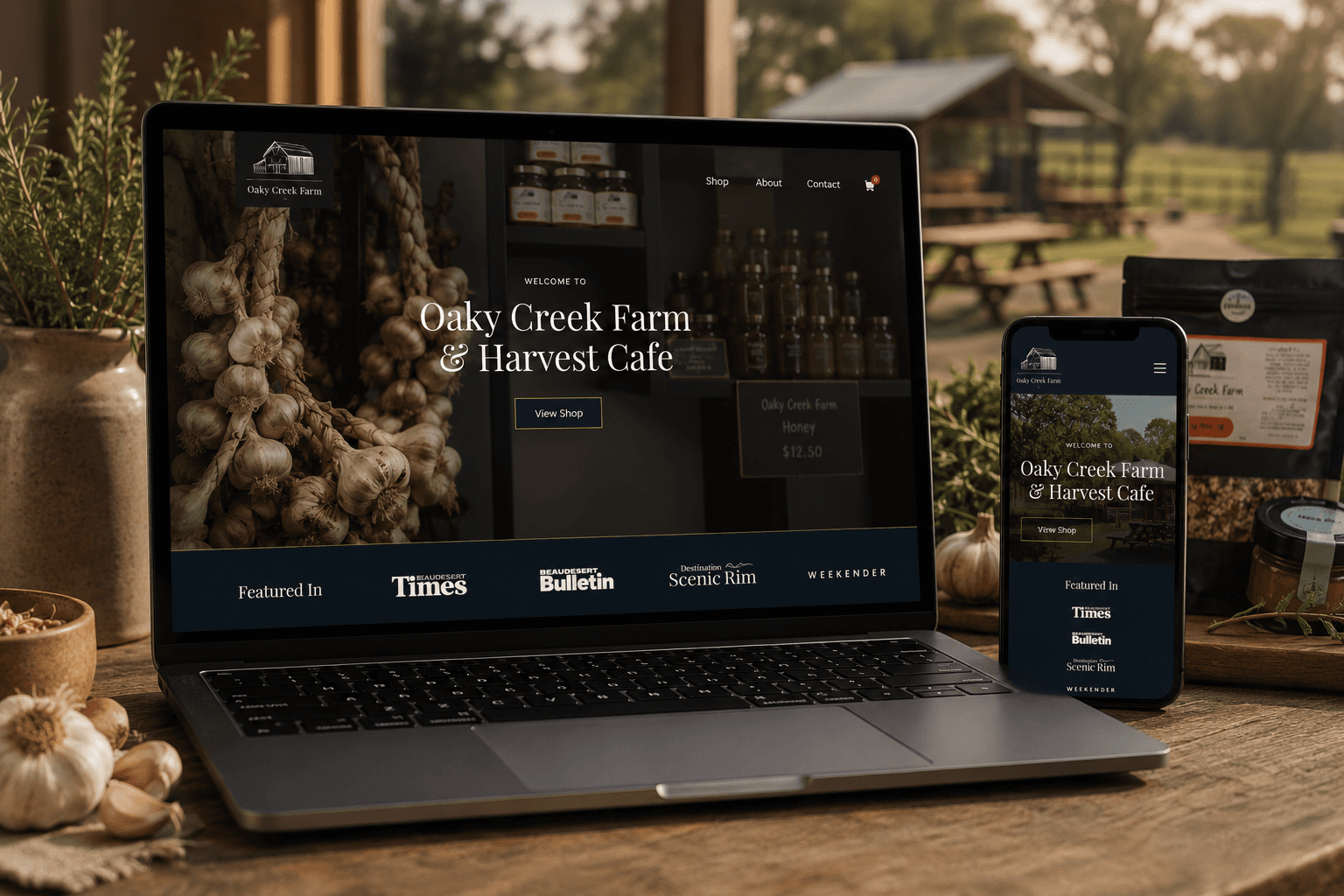
Local relevance, useful content and a stronger store helped nearby customers find the farm and take the next step.
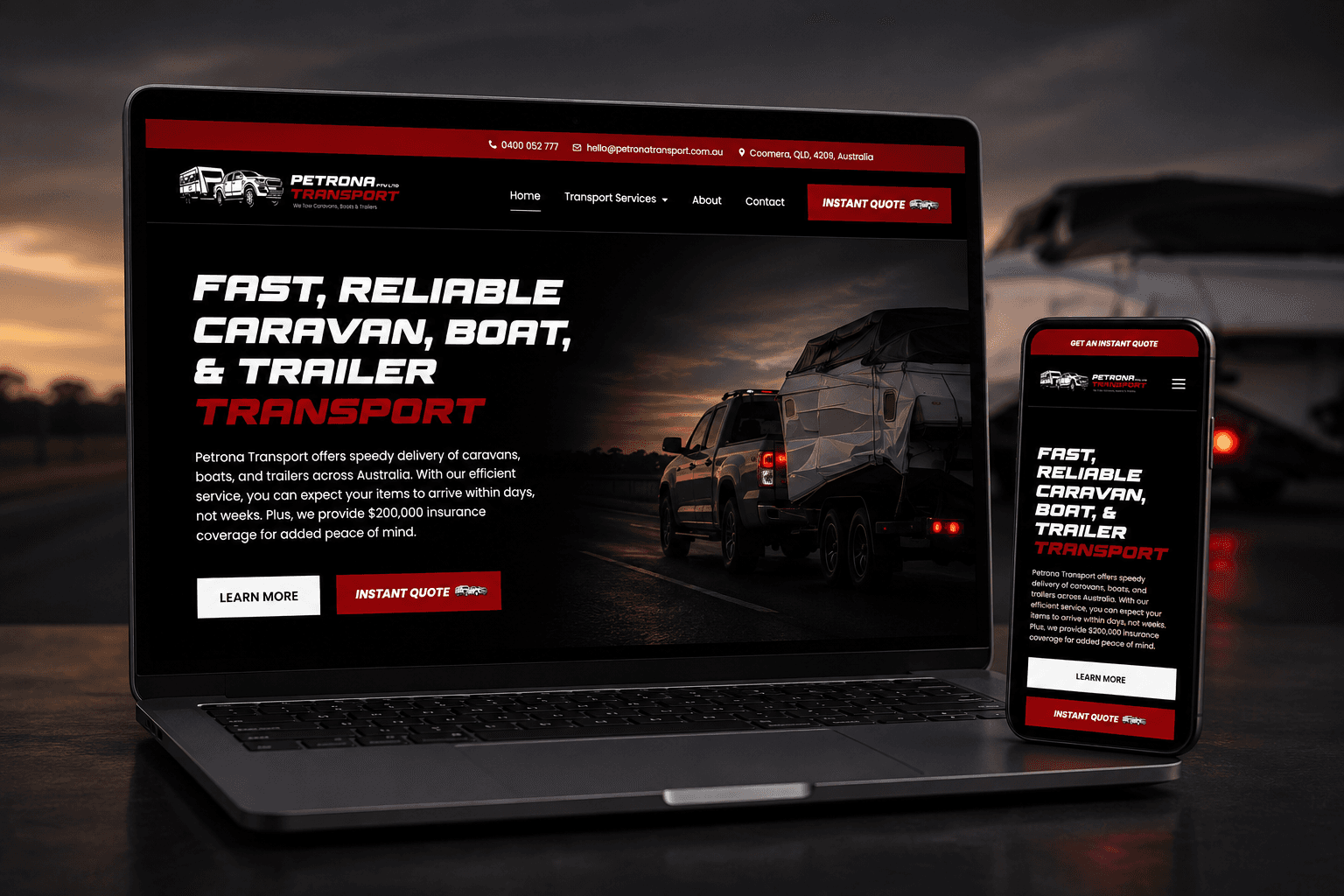
Targeted search visibility and a simpler quote journey connected more commercial customers with the right service.

A premium store and organic strategy made products easier to discover, compare and purchase.
Each stage reduces ambiguity: what matters, who owns it, what must change and how the result will be verified.
Connect strategic page families with templates, repositories, business units, release processes and commercial goals.
Quantify affected scope, customer demand, technical risk, dependency, effort and the consequence of doing nothing.
Create specifications, representative test URLs, acceptance criteria and decision support for product and engineering.
Monitor implemented changes, investigate material shifts and update standards so the same class of issue does not return.
Protect high-value templates and organic demand through platform, domain and architecture change.
Explore Site migrationsGive product, engineering and leadership teams one evidence trail for search priorities.
Explore Reporting and analyticsAdd independent strategic support to internal teams and high-impact decisions.
Explore SEO consultingResolve rendering, crawl and indexation issues across large platforms and templates.
Explore Technical SEOScope depends on website scale, markets, technical environment, stakeholder needs and the level of implementation support required. The engagement is defined around the decisions and delivery outcomes that matter.
Discuss the right investmentUnderstand the fit, timing and practical trade-offs before deciding what belongs in your plan.
Enterprise SEO improves search performance across large or complex websites where templates, page inventories, business units and release processes shape the outcome. It combines technical SEO, content systems, internal linking, measurement and governance so improvements can be implemented consistently at scale.
The scope can include inventory-level technical audits, page-type and taxonomy governance, opportunity modelling, internal linking, engineering specifications, migration assurance, release validation and reporting for both leadership and delivery teams.
No. Google says advanced crawl budget management is mainly relevant to very large, rapidly changing sites or sites with substantial discovered but unindexed inventories. Many websites need better URL control and internal linking rather than an attempt to increase crawling.
Yes. An engagement can provide independent strategy, specialist analysis, implementation specifications or programme support while the internal team retains ownership.
Capacity should influence prioritisation from the beginning. Recommendations can be ranked by reach, commercial value, risk and implementation effort so scarce resources are used deliberately.
Yes. Search requirements can be built into planning, technical specifications, redirect mapping, QA and post-launch monitoring, alongside the wider migration team.
Measurement should separate implementation progress, search visibility, qualified organic actions and commercial evidence where reliable data exists. Leadership needs the investment logic while delivery teams need page-type, issue and ownership detail.
No. Search engines and market conditions remain outside any consultant's control. The work builds a stronger technical, content and governance system and measures where it improves discovery and customer action.
Access, confidentiality, storage and stakeholder permissions should be agreed in the engagement scope before sensitive systems or business data are reviewed.
These services reinforce the same customer journey while keeping each priority clear enough to scope, deliver and measure properly.
Resolve rendering, crawl and indexation issues across large platforms and templates.
Explore Technical SEOCreate controlled page systems for repeatable demand and structured data.
Explore Programmatic SEOCoordinate market, language and technical signals across global website structures.
Explore International SEOShare the platform, teams and search challenge involved. The session identifies the decision that needs evidence first and a practical route through the dependencies around it.
This is a working session built around your business, not a templated audit or a disguised sales call.
Your visible site architecture, major page families and stated challenge are reviewed.
Map the opportunity, delivery constraints, stakeholders and first evidence required.
A plain-English priority frame for the next enterprise SEO decision.
Speak directly with the specialist doing the work. No account manager, no obligation and no sales script.