
The wrong locale wins the search
A global or stronger-market URL outranks the version with the correct currency, availability, terminology and enquiry path.
An international SEO agency should expand search visibility without treating every country as a translated version of the same customer. Market demand, multilingual search behaviour, website structure, hreflang and local proof work together so people reach the right experience and have a reason to trust it.

Customers in different countries describe needs differently, trust different evidence and expect different buying experiences. The website also needs consistent signals that help search engines serve the correct version.
A global or stronger-market URL outranks the version with the correct currency, availability, terminology and enquiry path.
The source-market phrase is translated accurately, but local buyers use a different category name or frame the problem differently.
Missing return tags, conflicting canonicals or non-indexable alternates leave the relationship between market versions unclear.
A page attracts demand before shipping, support, legal, sales or service operations can provide a credible local experience.
Explore the layers that make a market experience genuinely local. These examples illustrate the decision framework rather than live keyword or client data.
Choose a market layer
Research local vocabulary, modifiers and questions instead of assuming the source market's wording will transfer.
Adapt: page topic, headings, explanations and supporting questions
Result: a page aligned with how the market expresses demand
International SEO combines market validation, localisation and technical targeting. The right structure depends on business operations, domain authority, languages and the resources available to maintain each market.
Validate local search language, visible competitors, margins, operational readiness and whether the opportunity supports investment.
Adapt terminology, examples, units, policies, proof and next steps rather than replacing words line by line.
Use separate, crawlable URLs, hreflang and consistent internal links to connect users with the intended page version.
Relevant mentions, local proof, support information and links help customers and search systems verify the offer in that region.
A phased rollout protects quality and reveals market-specific assumptions before they are repeated across more countries or languages.
Compare local demand, competitors, margins, fulfilment, support and the investment needed to create a credible experience.
Map separate URLs, native-market intent, reciprocal hreflang, canonicals, navigation and market-specific proof.
Review language, offers, units, indexability, alternate relationships and the complete local conversion journey.
Use locale-level visibility, landing pages and qualified action to strengthen the current market before copying the rollout elsewhere.
Each target country or language needs a defined purpose, maintained content and a technically consistent place within the wider website.
Demand, terminology, visible competitors and commercial readiness are assessed before rollout.
Search themes are researched in the target market and assigned to one intended locale page without relying on translated seed lists.
Country domains, subdomains and subfolders are evaluated against authority, operations, analytics and maintenance.
Language-country relationships, reciprocal hreflang, canonicals, sitemaps, crawlable URLs and indexation signals are specified and validated.
Pages adapt market language, units, proof, policies, practical information and the correct sales or checkout path.
Visibility, landing pages and qualified actions are separated by country and language where the data allows.
International SEO should reduce ambiguity for the customer and the search engine while helping the business invest in markets it can serve properly.
Pages align with local search language and the specific needs behind it.
Technical and navigational signals guide visitors toward the intended country and language experience.
Relevant proof, policies and practical detail reduce the work a new-market customer must do before acting.
New markets enter a repeatable research, localisation, QA and measurement process.

International growth becomes more credible when technical signals and the customer experience both point to the right regional destination.
Align product, category and market architecture for international catalogue growth.
Explore eCommerce SEOMake market-specific entities and evidence clearer across AI-assisted research experiences.
Explore AI SEOSeparate visibility and qualified actions by market and language.
Explore Reporting and analyticsProtect international URLs and targeting signals when domains, platforms or market structures change.
Explore Site migrationsSearch visibility matters when it produces better enquiries, bookings and sales. These campaigns show the business outcome, not just the ranking report.
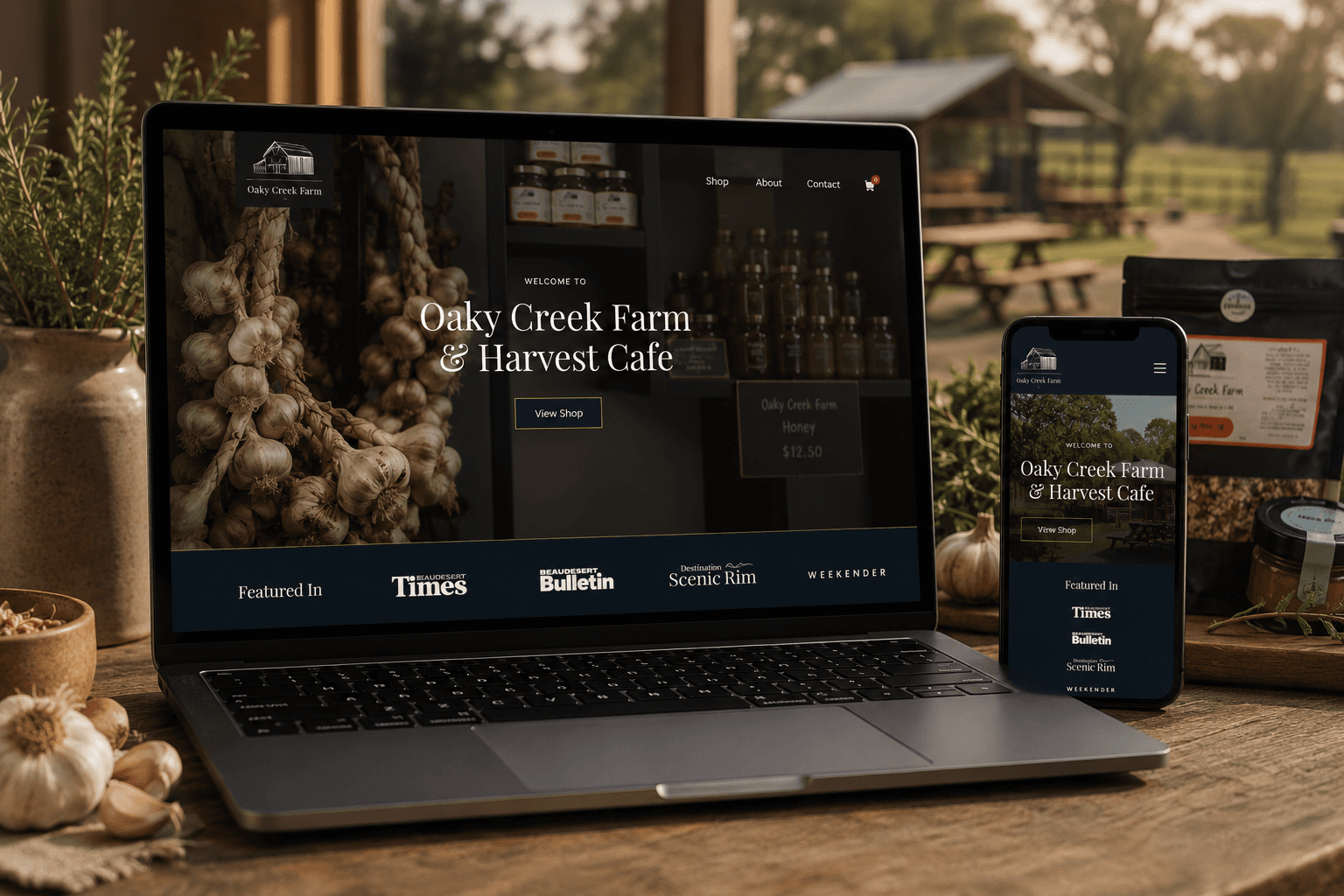
Local relevance, useful content and a stronger store helped nearby customers find the farm and take the next step.
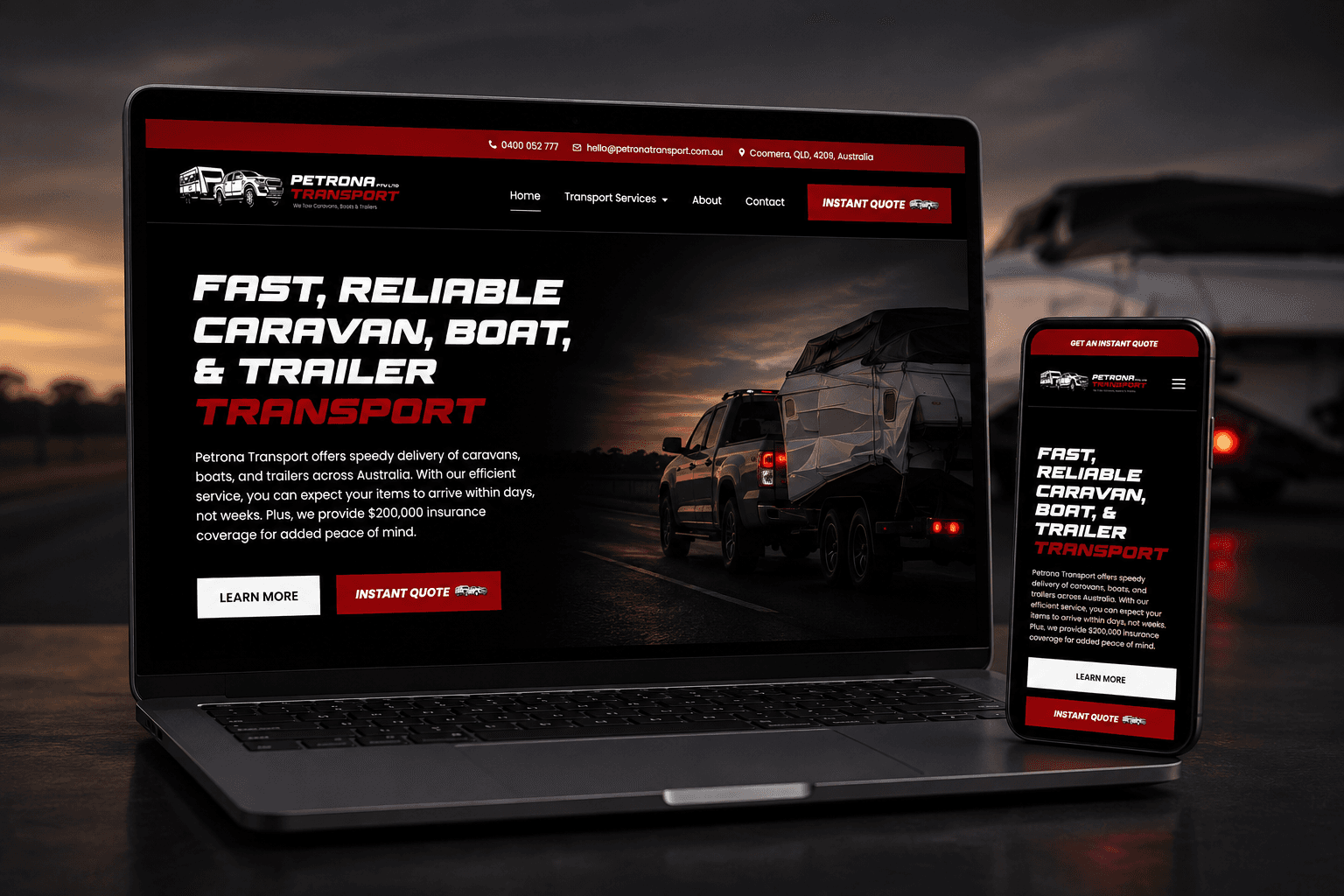
Targeted search visibility and a simpler quote journey connected more commercial customers with the right service.

A premium store and organic strategy made products easier to discover, compare and purchase.
Scope depends on the number of target markets, existing website structure, translation and localisation resources, technical complexity and authority work required.
Discuss the right investmentUnderstand the fit, timing and practical trade-offs before deciding what belongs in your plan.
International SEO helps search engines and customers reach the right country or language experience. It combines market research, localisation, website structure, hreflang, content and authority.
Translation can be a starting input, but effective localisation also considers search language, examples, proof, policies and buying expectations in the target market.
Not necessarily. Country domains, subdomains and subfolders each have trade-offs. The right structure depends on authority, operations, localisation and long-term maintenance.
Hreflang helps Google understand the language and regional relationship between alternate URLs and serve a suitable version in search. It does not replace strong localisation, canonical discipline, crawlable URLs or clear navigation between regions.
Compare search demand, competitive conditions, existing customers, operational readiness, margins and the resources required to create a credible local experience.
Regional versions can legitimately overlap, but each should have a clear audience and consistent technical signals. Local relevance and useful differences should be added where they matter to customers.
Usually no. Google warns that IP-based adaptation is unreliable and may stop crawlers finding every variation. Visitors should be able to choose their region or language through visible links.
Native or market-fluent review should be included where needed. The responsible translators, reviewers and approvers must be agreed in the scope rather than relying on unreviewed automated translation.
Investment depends on the number of markets and languages, the existing domain structure, localisation requirements, technical implementation and the authority needed in each region. Validating one priority market first can reveal the real delivery model before a wider rollout.
These services reinforce the same customer journey while keeping each priority clear enough to scope, deliver and measure properly.
Build dependable hreflang, crawl and indexation foundations for market variants.
Explore Technical SEOCoordinate international search standards across complex platforms and teams.
Explore Enterprise SEOTurn market research into clear, useful content that supports local buying decisions.
Explore Content and copywritingShare the countries, languages and products or services involved. The session explores where the strongest opportunity may sit and what the website must change to serve that market credibly.
This is a working session built around your business, not a templated audit or a disguised sales call.
Your current international structure, visible market pages and stated expansion goals are reviewed.
Discuss market demand, structure, localisation and the operational questions that affect readiness.
A plain-English first-market priority and the next evidence needed before rollout.
Speak directly with the specialist doing the work. No account manager, no obligation and no sales script.