
A repeatable intent model
Queries are clustered by the decision behind them, not by every keyword variation a tool can export.
Programmatic SEO uses reliable data, controlled templates and strict quality rules to cover specific product, service, location and comparison searches at scale. A sound programmatic SEO strategy gives every approved page a distinct purpose, useful information and a clear next step for the person who finds it.

Programmatic SEO uses a repeatable framework to create distinct pages for repeatable search patterns. It is not permission to publish thousands of doorway pages or machine-written variations with no original value.
Queries are clustered by the decision behind them, not by every keyword variation a tool can export.
Product, service, inventory, location or operational fields must be accurate, maintainable and useful to a visitor.
Components appear only when the data supports them, allowing comparison, availability, proof and guidance to change with the page purpose.
Empty, overlapping or weak combinations stay out of the index, and pages can consolidate or retire when the underlying data changes.
When services, products, attributes or locations combine in repeatable ways, a well-designed page system can match much more specific intent. The challenge is scaling usefulness, not simply scaling page count.
Someone searches for an exact product attribute, service area or use case, but the website sends them to a category that still requires filtering and guesswork.
Hundreds of commercially valid combinations cannot be researched, written and maintained reliably as unrelated one-off pages.
Changing a heading, suburb or product name creates another URL without changing the decision support available to the visitor.
Parameters, filters, empty combinations and overlapping templates create crawl paths the business never intended to publish.
Choose a pattern to see the inputs, page purpose and quality decision that should exist before a scalable page is published.
Choose a page pattern
Combine a service with areas the business can realistically serve, then answer the local questions that affect trust and enquiry.
Required: service facts, local relevance, proof and a distinct next step
Outcome: useful location coverage rather than place-name substitution
The strongest outcome is a search system that makes a large offering easier to explore, not a pile of URLs created for its own sake.
More relevant combinations have a destination built around what the customer is actually trying to find.
Visitors can move from a specific query to the right option without decoding a broad catalogue or service page.
New products, markets or attributes can enter an established system instead of creating a new content project every time.
Performance data shows which page patterns deserve investment and which should be improved, consolidated or removed.

Reliable data, distinct customer value and deliberate quality checks turn a repeatable pattern into a sustainable search asset.
A scalable programme needs strategy, data, content, technical implementation and ongoing quality control. Removing one layer usually creates pages that are difficult to trust or maintain.
Repeatable searches are grouped by intent, commercial relevance and the existing URL that should own each need.
Every field is assessed for accuracy, freshness and what the page should show when information is missing.
Layouts adapt to available data while keeping comparison, proof, availability and the next action clear.
URL structure, canonicals, indexation, sitemaps, rendering and duplicate controls are specified before scale is introduced.
Hubs expose approved pages while parameters, empty states and low-value combinations are kept out of crawl paths.
Canonical selection, discovered URLs, indexed coverage and qualified actions guide which patterns expand, improve or retire.
Search visibility matters when it produces better enquiries, bookings and sales. These campaigns show the business outcome, not just the ranking report.
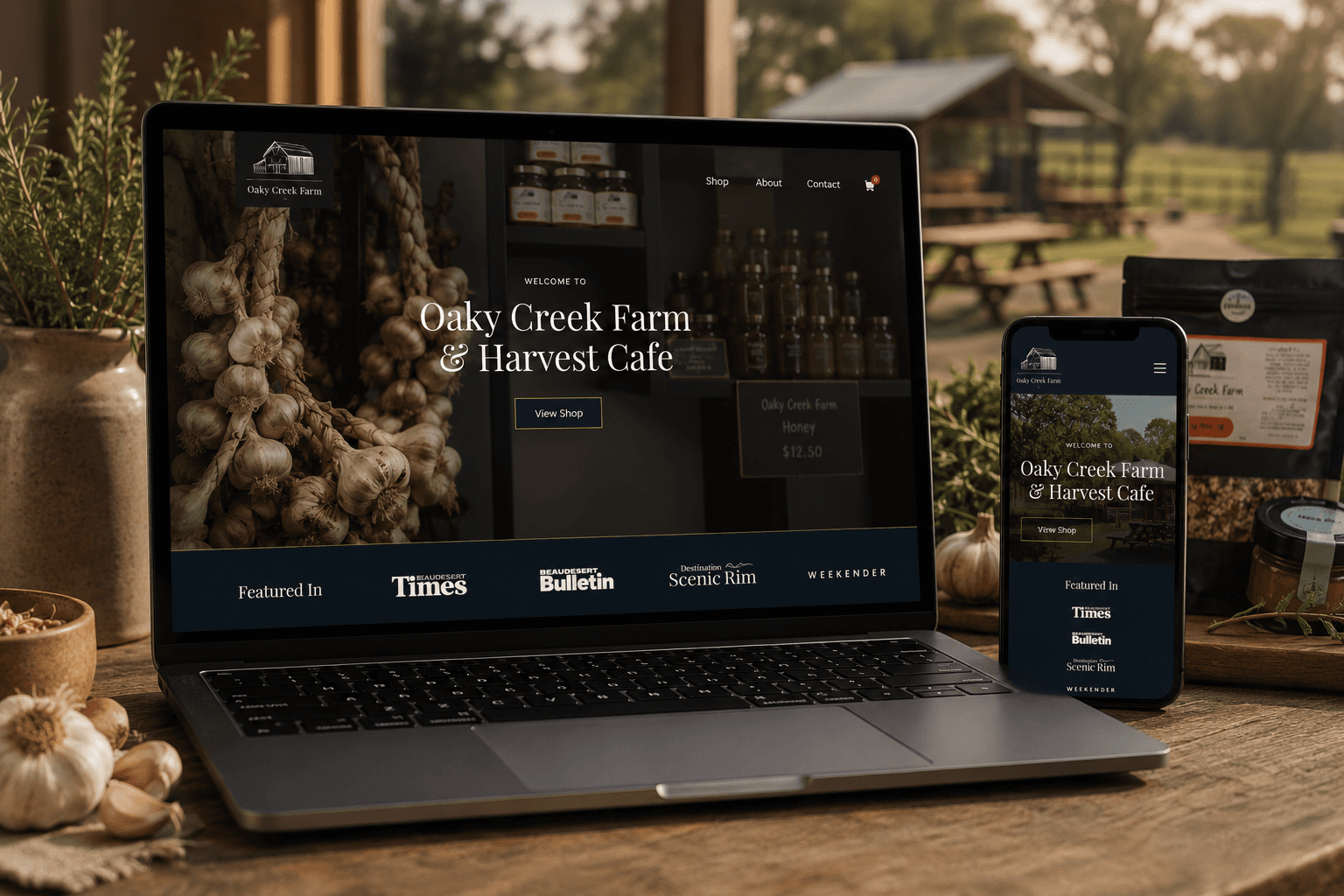
Local relevance, useful content and a stronger store helped nearby customers find the farm and take the next step.
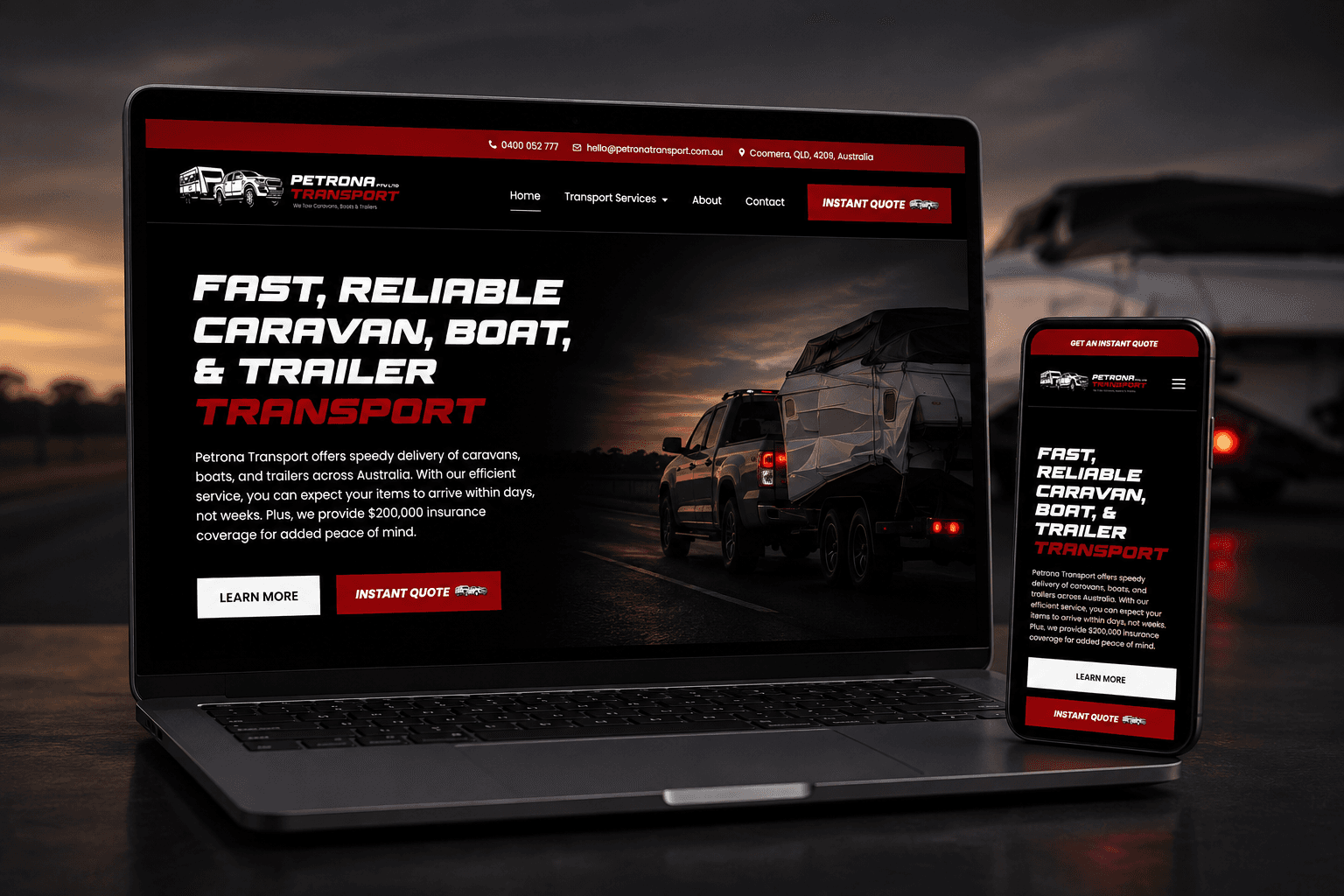
Targeted search visibility and a simpler quote journey connected more commercial customers with the right service.

A premium store and organic strategy made products easier to discover, compare and purchase.
A smaller, representative release exposes data, template and indexation issues while they are still easy to correct.
Confirm that one repeatable intent has enough demand, distinct page value and commercial relevance to justify a system.
Model the data, conditional components, URLs, internal links and publication rules across the difficult edge cases too.
Test rendering, crawl paths, canonical behaviour, indexation and real visitor journeys before adding more combinations.
Scale patterns that earn visibility and action, improve weak destinations and remove combinations that no longer meet the threshold.
Coordinate scalable page systems across larger websites, teams and governance requirements.
Explore Enterprise SEOStructure clear entities, useful answers and evidence so scalable pages also support AI-assisted discovery.
Explore AI SEODevelop the editorial rules and useful guidance that templates cannot supply alone.
Explore Content and copywritingAssess whether the current architecture, content and data are ready to scale.
Explore SEO auditsThe scope depends on the number of page patterns, condition of the data, CMS flexibility and development support required. You receive a defined pilot scope before work begins.
Discuss the right investmentUnderstand the fit, timing and practical trade-offs before deciding what belongs in your plan.
Programmatic SEO creates useful pages from repeatable search patterns, structured data and controlled templates. Each page should answer a distinct need and offer more value than a changed heading or keyword variation.
No. AI may support parts of a workflow, but programmatic SEO is a system of demand research, reliable data, template design, technical controls and editorial rules. Automated words alone do not create a useful page.
They can become repetitive when the underlying information and purpose barely change. Google warns against scaled pages created mainly to manipulate rankings, regardless of how they are produced. The strategy should prevent publication unless each page has distinct intent, useful information and a clear reason to exist.
There is no universal number. A representative pilot should be large enough to test the pattern but small enough to review carefully before the system expands.
Not always. Feasibility depends on how the current platform stores data, creates URLs, renders pages and handles templates. Those constraints should be assessed before a build is scoped.
No. Search engines decide what to crawl, index and rank. The work improves the usefulness, accessibility and internal support of each page, then measures where the system earns visibility.
Businesses with repeatable demand and reliable structured information are often the best fit, including eCommerce ranges, directories, marketplaces, multi-location services and complex solution catalogues.
Each query cluster needs one intended destination. The model should identify overlapping intent before URLs are created, then use consolidation, canonicals and internal links to reinforce the preferred page.
These services reinforce the same customer journey while keeping each priority clear enough to scope, deliver and measure properly.
Build crawl, rendering and indexation foundations that can support a large page system.
Explore Technical SEOTurn product and category structure into clearer organic discovery across a large catalogue.
Explore eCommerce SEOMeasure which page patterns create meaningful visibility and customer action.
Explore Reporting and analyticsShare the products, services, locations or datasets you want to scale. The session identifies the most promising pattern, the information it needs and the risks to solve before building.
This is a working session built around your business, not a templated audit or a disguised sales call.
Your current site, repeatable search patterns and likely data sources are reviewed.
See which opportunity could support a useful pilot and which quality risks need attention.
A plain-English starting plan covering pattern, data, page purpose and next validation step.
Speak directly with the specialist doing the work. No account manager, no obligation and no sales script.